What was the Kansas-Nebraska Act?
The Kansas-Nebraska Act, passed in 1854, was one of the most consequential pieces of legislation in American history. It reshaped the political landscape, deepened national divisions, and set the stage for the Civil War.
This legislation, introduced by Senator Stephen A. Douglas, aimed to organize the vast western territories and facilitate the construction of a transcontinental railroad, but its provisions concerning slavery ignited fierce debate and violence.
Below, American historians at World History Edu provide a detailed exploration of the history, key facts, and the profound impact of the Kansas-Nebraska Act.

The Kansas-Nebraska Act created the territories of Kansas and Nebraska. The Act was drafted by Democratic Senator Stephen A. Douglas. Douglas introduced the Act to open new lands for settlement and facilitate the construction of a transcontinental railroad. Image: The seal of the United States.
Historical Context
In the early 19th century, the United States was rapidly expanding westward. The Louisiana Purchase in 1803 had nearly doubled the size of the country, giving the U.S. vast new territories to organize and govern. However, the question of whether slavery would be allowed in these new territories became a major political and moral issue. The Missouri Compromise of 1820 had attempted to address this by prohibiting slavery in territories north of the 36°30′ latitude line, except in the state of Missouri.
By the 1850s, several factors, including the acquisition of land from Mexico after the Mexican-American War (1846–1848), the discovery of gold in California in 1849, and the continuing trend of westward migration, made the organization of these new western lands a pressing issue. The construction of a transcontinental railroad, which would connect the eastern states to the Pacific coast, was seen as crucial for national development. However, political battles over the route of this railroad and the status of slavery in the territories through which it would pass made it difficult to find consensus.
The Role of Senator Stephen A. Douglas
Stephen A. Douglas, a prominent Democratic senator from Illinois, was one of the most influential figures behind the Kansas-Nebraska Act. Douglas was a strong supporter of westward expansion and sought to build a transcontinental railroad that would pass through the northern territories, specifically through Chicago, which would benefit his home state of Illinois.
However, this route would go through the Nebraska territory, an area north of the 36°30′ line, where slavery had been prohibited under the Missouri Compromise.
Douglas, a firm believer in “popular sovereignty,” proposed that the settlers in these new territories should have the right to decide for themselves whether to permit slavery. This doctrine would allow the question of slavery to be settled locally, rather than being imposed by Congress. Douglas introduced this concept into his bill, which would create two new territories—Kansas and Nebraska—while repealing the Missouri Compromise’s restriction on slavery in these areas.

Image: Portrait of Stephen A. Douglas.
Major Provisions of the Kansas-Nebraska Act
The Kansas-Nebraska Act, which was signed into law by President Franklin Pierce on May 30, 1854, contained several important provisions:
- Creation of Kansas and Nebraska Territories: The Act organized two new territories, Kansas and Nebraska, out of the large, unorganized portion of the Louisiana Purchase. These territories included much of the land that is today Kansas, Nebraska, Montana, and the Dakotas.
- Popular Sovereignty: The most controversial aspect of the Kansas-Nebraska Act was its reliance on the doctrine of popular sovereignty. This meant that the residents of Kansas and Nebraska would decide through voting whether or not slavery would be permitted in their territories. The federal government, according to this policy, would not impose either the prohibition or the allowance of slavery.
- Repeal of the Missouri Compromise: By allowing popular sovereignty to determine the status of slavery in the new territories, the Kansas-Nebraska Act effectively repealed the Missouri Compromise of 1820, which had banned slavery north of the 36°30′ parallel.
Passage of the Act and Initial Reactions
The Kansas-Nebraska Act was introduced to the Senate in January 1854 and immediately sparked intense debate. In the South, the bill received broad support because it opened the possibility of expanding slavery into new territories. Southern leaders, such as Missouri Senator David Rice Atchison, strongly supported the bill because it undid the Missouri Compromise, which had long been a source of contention for pro-slavery forces.
In the North, however, the Kansas-Nebraska Act was met with outrage. Many Northerners, including abolitionists and moderate opponents of slavery, saw the repeal of the Missouri Compromise as a betrayal. The Compromise had been a key measure in keeping the balance between free and slave states, and its repeal threatened to upset that balance. Opponents argued that allowing slavery to expand into new territories violated fundamental principles of freedom and democracy.
Among the bill’s most vocal opponents were Ohio Senator Salmon P. Chase and Massachusetts Senator Charles Sumner. Chase described the Kansas-Nebraska Act as a “gross violation of a sacred pledge,” referring to the Missouri Compromise, while Sumner called it a move toward making the territories “a dreary region of despotism, inhabited by masters and slaves.”
Despite this fierce opposition, the Kansas-Nebraska Act passed the Senate by a vote of 37 to 14 on March 4, 1854, and passed the House of Representatives by a narrower margin before being signed into law by President Pierce.
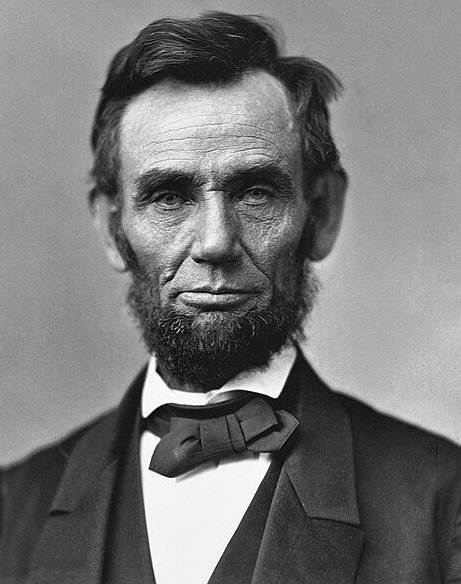
Image: A picture of Abraham Lincoln in 1863.
“Bleeding Kansas” and the Aftermath
Once the Kansas-Nebraska Act became law, both pro-slavery and anti-slavery forces rushed into Kansas in an attempt to influence the outcome of the popular sovereignty vote on slavery. This influx of settlers led to violent confrontations between the two sides, resulting in a period of bloodshed and turmoil known as “Bleeding Kansas.”
Pro-slavery settlers, many of whom were from neighboring Missouri, hoped to sway the vote in favor of slavery. Anti-slavery settlers, many from northern states, moved into Kansas to prevent the expansion of slavery. Tensions soon escalated into violence, with both sides attacking each other in what amounted to a small-scale civil war.
One of the most notorious incidents occurred in May 1856, when pro-slavery forces attacked the town of Lawrence, an anti-slavery stronghold. In retaliation, abolitionist John Brown led a raid against pro-slavery settlers in Pottawatomie Creek, killing five men in cold blood. The violence in Kansas continued for several years, with more than 50 people killed before order was restored.
The events in Kansas shocked the nation and further polarized the North and South. “Bleeding Kansas” became a symbol of the broader struggle over slavery and fueled the growing sectional divide.
Political Fallout
The Kansas-Nebraska Act had profound political consequences. It effectively destroyed the Whig Party, which had already been weakened by internal divisions over slavery. Many Northern Whigs, outraged by the repeal of the Missouri Compromise and the violence in Kansas, abandoned the party. They joined forces with anti-slavery Democrats, Free-Soilers, and abolitionists to form a new political party: the Republican Party.
The Republican Party, founded in 1854, was explicitly anti-slavery and opposed the expansion of slavery into the western territories. It quickly gained strength in the North and became a dominant political force, with its first presidential candidate, John C. Frémont, running in 1856. The rise of the Republican Party marked a significant shift in American politics, and its rapid ascent contributed to the growing tensions between the North and South.
In the South, the Kansas-Nebraska Act further solidified support for the expansion of slavery. Southern Democrats, who had been instrumental in passing the bill, continued to push for the spread of slavery into new territories. The Act, therefore, deepened the sectional divide, as both sides became increasingly entrenched in their positions.
The Kansas-Nebraska Act and the Dred Scott Decision
The Kansas-Nebraska Act set the stage for one of the most infamous Supreme Court cases in American history: the Dred Scott decision of 1857. Dred Scott was an enslaved man who sued for his freedom on the grounds that he had lived in free territories where slavery was illegal. The Supreme Court, under Chief Justice Roger B. Taney, ruled that Scott had no right to sue because African Americans were not considered citizens under the Constitution.
The Court went even further, ruling that the Missouri Compromise had been unconstitutional because Congress had no authority to prohibit slavery in the territories. This ruling was a direct result of the principles of the Kansas-Nebraska Act, which had already repealed the Missouri Compromise. The Dred Scott decision effectively nullified any remaining legal barriers to the expansion of slavery, further inflaming tensions in the North and South.
Impact on the Civil War
The Kansas-Nebraska Act was a pivotal moment in the lead-up to the Civil War. By reopening the issue of slavery’s expansion into the territories, the Act heightened sectional tensions and contributed to the breakdown of the fragile political compromises that had held the nation together.
“Bleeding Kansas” demonstrated that popular sovereignty was not a workable solution to the question of slavery. Rather than allowing the people of Kansas to peacefully decide the issue, it led to violence and chaos. The Act’s failure to resolve the slavery question only deepened the divisions between North and South, making the prospect of civil war more likely.
The rise of the Republican Party, fueled by opposition to the Kansas-Nebraska Act, also played a critical role in the coming conflict. The election of Abraham Lincoln, the first Republican president, in 1860, was a direct result of the political realignments set in motion by the Act. Southern states, fearing that Lincoln and the Republicans would move to abolish slavery, seceded from the Union, leading to the outbreak of the Civil War in 1861.
Key Facts About the Kansas-Nebraska Act
- Date of Passage: The Kansas-Nebraska Act was signed into law on May 30, 1854, by President Franklin Pierce.
- Key Figure: Senator Stephen A. Douglas of Illinois was the principal architect of the Act.
- Repeal of the Missouri Compromise: The Act effectively nullified the Missouri Compromise of 1820, which had prohibited slavery in territories north of the 36°30′ parallel.
- Popular Sovereignty: The Act introduced the principle of popular sovereignty, allowing settlers in the Kansas and Nebraska territories to decide for themselves whether to allow slavery.
- “Bleeding Kansas”: The Act led to a violent conflict between pro-slavery and anti-slavery settlers in Kansas, resulting in a period of violence known as “Bleeding Kansas.”
- Political Consequences: The Act contributed to the collapse of the Whig Party and the rise of the Republican Party, which opposed the expansion of slavery.
- Prelude to Civil War: The Kansas-Nebraska Act deepened sectional tensions and was a key event leading to the American Civil War.

Image: Franklin Pierce.
Conclusion
The Kansas-Nebraska Act of 1854 was one of the most consequential and divisive pieces of legislation in U.S. history. While it was intended to promote westward expansion and settle the issue of slavery through popular sovereignty, it ultimately inflamed tensions between the North and South.
The repeal of the Missouri Compromise, the violence of “Bleeding Kansas,” and the political realignments that followed all contributed to the breakdown of national unity and the eventual outbreak of the Civil War. Far from resolving the debate over slavery, the Kansas-Nebraska Act made it clear that the nation was headed for a more profound and violent conflict.
Questions and Answers

What was the original name of the Kansas-Nebraska Act of 1854?
The Kansas-Nebraska Act was originally known as the “Nebraska bill.”
Who introduced the Kansas-Nebraska Act, and what was its primary purpose?
Senator Stephen Douglas of Illinois introduced the Act, and its primary purpose was to organize the Territory of Nebraska, facilitating westward expansion and the construction of a transcontinental railroad.
Which present-day states were covered by the Nebraska territory?
The Nebraska territory covered the present-day states of Kansas, Nebraska, Montana, and the Dakotas.
Why was there an urgent need to organize the western territories in the 1850s?
The western territories needed organization due to the land acquired from Mexico in 1848, the California gold rush of 1849, and increasing westward expansion of settlers, farmers, and miners.
What major infrastructure project was driving the debate over the Kansas-Nebraska Act?
The debate was driven by the need to build a transcontinental railroad linking the eastern states to the Pacific.
A northern route through Chicago was supported by Senator Stephen Douglas, while Southern interests, particularly slaveholders, preferred a southern route through Texas.
What was “popular sovereignty,” and how did it play a role in the Kansas-Nebraska Act?
Popular sovereignty allowed settlers in the new territories to decide whether to permit slavery, shifting the decision from Congress to the residents. This policy was central to Douglas’s Kansas-Nebraska Act.
How did the Kansas-Nebraska Act affect the Missouri Compromise of 1820?
The Kansas-Nebraska Act effectively repealed the Missouri Compromise, which had previously banned slavery in the Nebraska territory north of the 36°30′ line.
What was the reaction of southern leaders to Douglas’s initial proposal, and how did he respond?
Southern leaders, led by Missouri Senator David Atchison, demanded an explicit repeal of the Missouri Compromise. Douglas agreed to their demands to secure southern support for the bill.
Who were some prominent figures who opposed the Kansas-Nebraska Act, and what were their objections?
Ohio Senator Salmon Chase and antislavery leader Charles Sumner opposed the Act. Chase called it a betrayal of past agreements, and Sumner warned that it would create a “region of despotism” dominated by slavery.
When did the Kansas-Nebraska Act become law, and what was the final vote in the Senate?
The Kansas-Nebraska Act became law on May 30, 1854, after the Senate passed it by a vote of 37-14.
What violent conflict was triggered by the Kansas-Nebraska Act?
The Act led to “Bleeding Kansas,” a series of violent clashes between pro-slavery and antislavery forces in the Kansas territory.
What impact did the Kansas-Nebraska Act have on national political parties?
The Act passed the Senate by a wide margin but faced stronger opposition in the House of Representatives, particularly from Northern Whigs and other opponents of slavery.
The Act contributed to the collapse of the Whig Party and led to the formation of the anti-slavery Republican Party.
What did Senator Douglas and President Pierce hope to achieve with the principle of popular sovereignty?
Douglas and Pierce secured Southern support by agreeing to repeal the Missouri Compromise and allowing the question of slavery to be decided by popular sovereignty. They hoped that popular sovereignty would resolve the national debate over slavery by allowing territories to decide the issue for themselves.
Instead of resolving tensions, the Act inflamed them, especially in the North, where many saw the repeal of the Missouri Compromise as a betrayal.





