Pharaoh Thutmose IV

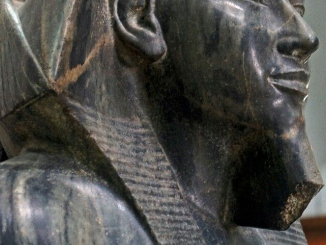
Thutmose IV, the 8th Pharaoh of Egypt’s 18th Dynasty, ruled in the 14th century BC, son of Amenhotep II, and grandfather of Akhenaten. Image: Head of Thutmose IV wearing the blue crown. 18th Dynasty. State Museum of Egyptian Art, Munich.
Thutmose IV, also known as Thutmosis IV or Tuthmosis IV, was the eighth pharaoh of Egypt’s 18th Dynasty, reigning during the 14th century BC (approximately 1401–1391 BC). His reign marked a period of relative stability in Egypt’s history, following the military expansions of his predecessors.
Thutmose IV is perhaps best known for the “Dream Stele,” which relates a divine encounter that purportedly secured his ascent to the throne.
While his reign is often overshadowed by those of his more famous relatives, including his father, Amenhotep II, and his grandson, Akhenaten, Thutmose IV made significant contributions to Egyptian history through diplomacy, building projects, and religious reforms.
In this detailed exploration, World History Edu delves into the life and reign of Thutmose IV, examining his family background, his path to kingship, major accomplishments, and legacy.
Family Background and Early Life
Thutmose IV was born into a powerful royal lineage. He was the son of Amenhotep II and Queen Tiaa. His father, Amenhotep II, was known for his military campaigns and efforts to maintain Egypt’s dominance in foreign territories, particularly in Nubia and the Near East. Queen Tiaa, while not the principal wife, played a significant role in the royal court and was highly regarded in her own right.
Despite being born into the royal family, Thutmose IV was not initially expected to inherit the throne. Evidence suggests that he may not have been the firstborn son of Amenhotep II. Scholars believe that Thutmose IV had older brothers who likely died before they could assume kingship, making him the next in line for the throne. His unexpected rise to power is closely linked to a significant event described in the Dream Stele, a monument erected at the Great Sphinx of Giza.
The Dream Stele and Thutmose IV’s Ascension

The Dream Stele, erected by Thutmose IV in 1401 BC between the Great Sphinx’s paws, asserts divine legitimization of his kingship during Egypt’s 18th Dynasty. Image: Close-up of Thutmose IV offering to the Great Sphinx, from a reproduction at the Rosicrucian Egyptian Museum, San Jose.
One of the most famous stories associated with Thutmose IV’s rise to power is the Dream Stele, which he erected between the paws of the Great Sphinx. According to the inscription, while Thutmose was still a prince, he fell asleep in the shadow of the Sphinx during a hunting expedition in the desert. In his dream, the Sphinx, which represented the sun god Horus and was believed to have protective powers, appeared to him and promised him kingship in exchange for clearing away the sand that had engulfed the monument.
The Dream Stele suggests that Thutmose IV’s ascent to the throne was divinely ordained, giving legitimacy to his rule. This narrative would have been particularly useful if Thutmose IV’s claim to the throne had been contested due to his older brothers’ deaths. The stele emphasizes the connection between the pharaoh and the gods, reinforcing the idea that the king was the chosen representative of the divine on earth.
Following this divine encounter, Thutmose IV ascended to the throne after the death of his father, Amenhotep II. While there are no indications of internal strife over his succession, the Dream Stele helped solidify his legitimacy and relationship with the gods in the eyes of the Egyptian people.
Reign of Thutmose IV
Thutmose IV’s reign is generally considered a period of stability and consolidation, though he was not as militarily active as some of his predecessors. Instead, he focused on diplomacy, religious reforms, and large-scale building projects. His reign also marked the continuation of Egypt’s prosperity and influence in the ancient world.
Foreign Relations and Diplomacy
Thutmose IV’s reign is notable for its emphasis on diplomacy rather than warfare. During his father’s rule, Egypt had already established dominance over key territories in Nubia and the Near East, meaning Thutmose IV did not need to embark on large-scale military campaigns to expand Egypt’s empire. Instead, he focused on maintaining peaceful relations with neighboring regions, including Mitanni, a powerful kingdom in northern Syria.
One of the most significant diplomatic achievements of Thutmose IV’s reign was his marriage to a Mitanni princess, which helped solidify peaceful relations between Egypt and Mitanni. This alliance was a strategic move to secure Egypt’s northern borders and maintain balance in the region, particularly against the growing threat of the Hittites, who were also vying for power in the Near East. The marriage between the two royal families is considered an important example of diplomatic marriages that characterized this period in Egyptian history.
Though Thutmose IV did not engage in major military campaigns, there is evidence of small-scale expeditions to maintain control over Egypt’s borders, particularly in Nubia. He likely led these campaigns to demonstrate his military prowess and ensure that Egypt’s vassals remained loyal.
Religious Reforms and Policies
Like many of his predecessors, Thutmose IV placed great emphasis on the relationship between the pharaoh and the gods. He actively promoted the cult of Amun, who was considered the king of the gods and the chief deity of Thebes, Egypt’s religious capital. Amun’s priesthood was powerful during this time, and Thutmose IV ensured that the deity received lavish offerings and continued to be honored with monumental building projects.
In addition to his dedication to Amun, Thutmose IV is also known for his efforts to restore and venerate ancient religious monuments, particularly those associated with the Great Sphinx. His actions in clearing the sand from the Sphinx and restoring the monument were not only practical but also symbolic of his piety and dedication to Egypt’s ancient religious traditions. By linking his reign to the Sphinx and the sun god Horus, Thutmose IV reinforced the divine legitimacy of his kingship.
Thutmose IV’s religious reforms were not limited to Amun and Horus. He also honored other deities, such as Re (the sun god), Ptah (the god of craftsmen and builders), and Hathor (the goddess of love and motherhood), ensuring that Egypt’s religious institutions remained strong and well-funded.
Building Projects

Through his building projects and religious reforms, Thutmose IV ensured that Egypt remained a prosperous and powerful nation. Image: Thutmose IV’s peristyle hall at Karnak
Thutmose IV is remembered for his ambitious building projects, which were aimed at both honoring the gods and glorifying his reign. These projects not only showcased the wealth and power of Egypt during his rule but also served as a means of reinforcing the king’s divine status.
Restoration of the Sphinx
One of Thutmose IV’s most famous building achievements was the restoration of the Great Sphinx at Giza. The Sphinx, which had become partially buried by sand over the centuries, was cleared and restored by Thutmose IV as part of his religious devotion. This restoration was accompanied by the erection of the Dream Stele, which served as a testament to his divine encounter with the Sphinx and his subsequent rise to power.
Karnak Temple Complex
Thutmose IV also contributed to the Karnak Temple Complex, one of the most important religious sites in ancient Egypt. Located in Thebes, Karnak was dedicated to the god Amun and had been expanded by several of Thutmose IV’s predecessors, including Thutmose III and Amenhotep II. During his reign, Thutmose IV added a series of pylons, obelisks, and statues to the temple, further enhancing its grandeur.
One of his most notable contributions to Karnak was the construction of a tall obelisks in honor of Amun. These obelisks were symbols of the sun god Re and served as both religious offerings and political statements of the pharaoh’s power.
Mortuary Temple and Tomb
As with most pharaohs, Thutmose IV constructed a mortuary temple to honor himself and ensure that his memory would be preserved after his death. The location of his mortuary temple is believed to be near the Valley of the Kings, though it has not been as well-preserved as those of other pharaohs.
Thutmose IV’s tomb, KV43, is located in the Valley of the Kings, the burial site of many New Kingdom pharaohs. His tomb, while not as large or elaborate as some of the other royal tombs, contains beautifully crafted wall paintings and inscriptions that depict his journey to the afterlife and his interactions with the gods.

Thutmose IV’s restoration of the Great Sphinx and his erection of the Dream Stele not only served to legitimize his rule but also reinforced the connection between the pharaoh and the divine. Image: Mummy of Thutmose IV
Family and Succession
Thutmose IV married a number of women during his reign, and he fathered several children. His chief wife was Mutemwiya, who is believed to have been the Mitanni princess that solidified the diplomatic relationship between Egypt and Mitanni. Mutemwiya was the mother of Thutmose IV’s successor, Amenhotep III, who would go on to become one of Egypt’s most successful and celebrated pharaohs.
Amenhotep III’s reign was characterized by unprecedented wealth, artistic achievement, and political stability, and many historians believe that the diplomatic groundwork laid by Thutmose IV contributed to his son’s success. Thutmose IV’s descendants, including his grandson Akhenaten, played pivotal roles in Egypt’s history, with Akhenaten famously instituting a religious revolution centered around the worship of the sun disk, the Aten.

Thutmose III was succeeded to the throne by his son, Amenhotep III. Image: Colossal Statue of Amenhotep III in the British Museum
Legacy of Thutmose IV
Thutmose IV’s reign, while not marked by the same level of military conquest or territorial expansion as some of his predecessors, was a period of relative stability and prosperity for Egypt. His diplomatic efforts helped maintain Egypt’s dominance in the Near East, and his religious reforms ensured that the cult of Amun remained strong.
One of Thutmose IV’s most significant legacies is his restoration of the Great Sphinx and the erection of the Dream Stele, which solidified the connection between the pharaoh and the divine. His actions in clearing and restoring the Sphinx have helped preserve one of Egypt’s most iconic monuments for future generations.

Son of Amenhotep II and Tiaa, Thutmose IV was also the grandfather of the famous Pharaoh Akhenaten. Image: Statue of Akhenaten, located at the Egyptian Museum in Cairo, Egypt.
Thutmose IV’s reign is also significant for the groundwork he laid for his son, Amenhotep III, whose reign is considered one of the pinnacles of Egypt’s New Kingdom. Through his diplomatic marriages, religious devotion, and building projects, Thutmose IV ensured that Egypt remained a powerful and prosperous nation.
In modern times, Thutmose IV is sometimes overshadowed by the more dramatic reigns of his father, Amenhotep II, and his grandson, Akhenaten. However, his contributions to Egyptian diplomacy, religion, and architecture have left a lasting mark on Egypt’s history. The peaceful and prosperous conditions he maintained allowed for the flourishing of Egyptian culture during the late 18th Dynasty, culminating in the grandeur of Amenhotep III’s reign.

While his reign may not be as well-known as some of the more famous pharaohs, Thutmose IV’s contributions to diplomacy, particularly through his marriage to a Mitanni princess, laid the groundwork for Egypt’s continued success under his son, Amenhotep III. Image: Granite bust of Thutmose IV.
Did you know…?
Ancient Egyptian king Thutmose IV’s royal name, Menkheperure, means “Established in forms is Re.”