White-Minority Governments in Africa: History and Major Facts
The historical trajectory of African nations toward independence during the 20th century was significantly impacted by the presence of white-minority governments. These governments, which existed primarily in Southern Africa, stood as bastions of European colonial and settler dominance in stark contrast to the majority black populations seeking self-determination.
In the article below, World History Edu examines the independence movements in those various African states, the resistance they encountered from white-minority regimes, and the broader implications for the continent.
Overview of White-Minority Rule in Africa
White-minority governments were particularly entrenched in countries like South Africa, Rhodesia (now Zimbabwe), and the Portuguese colonies of Mozambique and Angola. These regimes were characterized by policies that privileged white settlers over the indigenous African population in terms of political power, economic opportunity, and social status. Their rule was marked by strict racial segregation, disenfranchisement, and systemic discrimination.
- South Africa: Under apartheid, South Africa was the most infamous example of white-minority rule. The system of apartheid, which began formally in 1948 under the National Party, enforced racial segregation and economic disenfranchisement. While many African states gained independence in the 1950s and 1960s, South Africa’s black majority remained subjugated under apartheid laws until the early 1990s.
- Rhodesia: The unilateral declaration of independence (UDI) by Rhodesia in 1965 under Prime Minister Ian Smith was a response to increasing pressure for decolonization. Smith’s government sought to maintain white-minority control in a predominantly black African country. This act of defiance against Britain and international norms led to economic sanctions and prolonged conflict, as African nationalist groups like the Zimbabwe African National Union (ZANU) and the Zimbabwe African People’s Union (ZAPU) fought for majority rule, culminating in Zimbabwe’s independence in 1980.
- Portuguese Colonies: Unlike British and French colonial powers that gradually transitioned their African territories to self-rule, Portugal maintained a hardline approach. The Portuguese colonial wars in Mozambique, Angola, and Guinea-Bissau from the early 1960s to the mid-1970s were brutal conflicts involving prolonged guerrilla warfare. The eventual fall of the Estado Novo regime in Portugal during the Carnation Revolution of 1974 paved the way for the independence of these colonies.
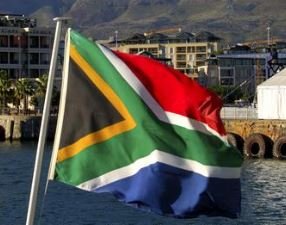
Image: South African flag.
Challenges Faced by Independent African States
As more African nations achieved independence in the post-World War II era, those bordering white-minority regimes faced unique challenges. These included economic pressures, military conflicts, and political interference that complicated their efforts to build stable, self-sustaining states.
Military Conflicts and Insurgencies
Many newly independent African nations supported liberation movements within white-minority states. For example, Zambia, which gained independence in 1964, became a base for African nationalist groups fighting against Rhodesian and South African control. This support often made these countries targets for cross-border raids and destabilization efforts by white-minority governments intent on curbing the spread of black-majority rule.
Mozambique and Rhodesian Conflict: Following Mozambique’s independence in 1975 under FRELIMO (Front for the Liberation of Mozambique), Rhodesia launched military incursions to target Zimbabwean nationalist fighters using Mozambique as a safe haven. These actions contributed to instability within Mozambique and strained its resources as it sought to establish a functioning government amid external hostilities.
South African Military Operations: South Africa, under apartheid, pursued an aggressive policy of destabilization in neighboring countries. Operations included military strikes and the funding of anti-government insurgencies, such as RENAMO in Mozambique and UNITA in Angola, to counter pro-liberation forces and maintain regional dominance.
Samora Machel: Life and Major Accomplishments of Mozambique’s First President
Economic and Political Strains
Independent African states often faced economic isolation imposed by white-minority governments. For instance, trade routes, access to ports, and cross-border commerce were disrupted by hostile actions. Additionally, South Africa’s economic might and control over regional infrastructure, such as railways and ports, allowed it to exert significant leverage over neighboring countries.
Sanctions and Economic Repercussions: Many African states were supportive of international sanctions against white-minority regimes, particularly South Africa. However, these sanctions also had indirect effects on their economies. Countries like Botswana and Zambia, which were landlocked and reliant on South African trade routes, experienced economic setbacks due to strained logistics and increased costs.
Diplomatic Isolation: White-minority regimes often used their political connections to isolate supportive neighbors diplomatically. South Africa’s outreach to Western powers during the Cold War, emphasizing anti-communist rhetoric, sometimes won it tacit support or leniency. This complicated the diplomatic efforts of independent African nations seeking broader condemnation and action against these regimes.
Strategies of Solidarity and Resistance
Despite the challenges, independent African states engaged in significant efforts to support liberation struggles and resist the destabilizing influences of white-minority governments. These strategies included fostering pan-African unity, collaborating on economic projects, and coordinating with international bodies.
Pan-African Cooperation
Organizations such as the Organization of African Unity (OAU), founded in 1963, played a central role in fostering collaboration among independent African states. The OAU’s Liberation Committee provided support and coordination for anti-colonial and anti-apartheid movements. This collective approach was critical in maintaining pressure on white-minority governments and sustaining the morale of liberation fighters.
Support Networks: Tanzania, under President Julius Nyerere, became a hub for various liberation movements. Leaders like Nyerere believed that African freedom was incomplete as long as any part of the continent remained under colonial or white-minority rule. The Tanzanian government provided safe havens, training, and logistical support to groups fighting for independence in Mozambique, Angola, and South Africa.
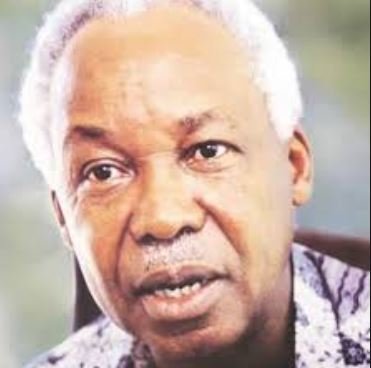
Julius Nyerere
Economic Collaboration
To reduce dependence on white-minority regimes, African states worked toward economic cooperation that bypassed the control of these powers. Initiatives included building transport routes that avoided South African and Rhodesian territory, such as the TAZARA Railway between Tanzania and Zambia, constructed with Chinese assistance.
Resource Management: Newly independent states sought to utilize their natural resources strategically to strengthen their economies and reduce external dependency. However, economic sabotage by white-minority governments and the legacy of colonial exploitation often limited the immediate effectiveness of these strategies.
The Fall of White-Minority Rule
The collapse of white-minority governments in Africa was gradual and the result of both internal and external pressures.
Rhodesia/Zimbabwe: The protracted Rhodesian Bush War ended with the Lancaster House Agreement in 1979, leading to majority rule and the establishment of Zimbabwe in 1980. This transition marked a significant turning point in the region, signaling that white-minority governments could not indefinitely resist the tide of African nationalism.
End of Apartheid: The fall of apartheid in South Africa in the early 1990s was influenced by sustained internal resistance, international sanctions, and regional pressure from independent African states. The African National Congress (ANC), led by figures like Nelson Mandela and supported by neighboring countries, exemplified the persistent struggle that culminated in the 1994 democratic elections and the end of apartheid.
Portuguese Colonies: The decolonization of Angola and Mozambique was spurred by the overthrow of Portugal’s Estado Novo regime. The resulting power vacuum and subsequent independence of these colonies in 1975 ended centuries of European rule but led to subsequent internal conflicts exacerbated by Cold War dynamics and regional interventions.

Nelson Mandela
Implications for Post-Colonial Africa
The legacy of white-minority governments and their conflicts with independent African states shaped the post-colonial landscape in various ways:
Political Dynamics: The support provided to liberation movements often influenced post-independence politics, with former guerrilla leaders and parties like FRELIMO in Mozambique and ZANU-PF in Zimbabwe assuming national leadership roles.
Economic Challenges: The economic strain from years of conflict and sanctions left lasting challenges. Independent states had to rebuild infrastructure and stabilize economies impacted by the resource-draining effects of supporting liberation movements and resisting destabilization campaigns.
Regional Solidarity: The shared struggle against white-minority rule reinforced a sense of regional solidarity that carried into later initiatives like the Southern African Development Community (SADC). This legacy underscored the importance of collective action in addressing common political and economic challenges.
Frequently Asked Questions

What was the white-minority government in Rhodesia?
The white-minority government in Rhodesia, led by Prime Minister Ian Smith, declared unilateral independence from Britain in 1965, establishing a government where political and economic power was held by the white minority. This government lasted until 1980, following the Lancaster House Agreement, which led to majority rule and the formation of Zimbabwe.
What was apartheid in South Africa?
Apartheid was a system of institutionalized racial segregation and discrimination enforced by the South African government from 1948 to 1994. Under apartheid, the white minority controlled all significant political and economic power, while the non-white majority faced severe restrictions on movement, rights, and opportunities.

Image: A sign during apartheid in South Africa.
Why did Rhodesia declare unilateral independence?
Rhodesia declared unilateral independence (UDI) from Britain in 1965 because the white-minority government, led by Ian Smith, opposed Britain’s decolonization policy that called for majority rule. Smith’s regime sought to maintain white dominance, which led to international isolation and sanctions.
How did the international community respond to Rhodesia’s UDI?
The international community, including the United Nations and most Western nations, condemned Rhodesia’s UDI and imposed economic sanctions. The United Kingdom did not recognize the legitimacy of the Rhodesian government and pressured for negotiations leading to majority rule.
What role did liberation movements play in ending white-minority rule in Rhodesia?
Liberation movements such as the Zimbabwe African National Union (ZANU) and the Zimbabwe African People’s Union (ZAPU) played crucial roles in opposing white-minority rule through guerrilla warfare and political activism. The combined military and diplomatic efforts led to the Lancaster House Agreement and the subsequent establishment of Zimbabwe under majority rule in 1980.
How was apartheid dismantled in South Africa?
Apartheid in South Africa was dismantled through a combination of internal resistance, international sanctions, and negotiations. The African National Congress (ANC), spearheaded by figures like Nelson Mandela, played a pivotal role in mobilizing mass protests and armed resistance. The sustained efforts culminated in negotiations that led to the first democratic elections in 1994, ending apartheid and establishing a government led by Mandela.
What were the effects of international sanctions on South Africa?
International sanctions imposed by countries and global bodies aimed to isolate South Africa economically and politically, pressuring the government to dismantle apartheid. These sanctions affected trade, financial investments, and cultural exchanges, significantly impacting the South African economy and contributing to internal unrest.
Who were some key figures in opposing apartheid and white-minority rule?
Key figures included Nelson Mandela, leader of the ANC and eventual president of South Africa; Robert Mugabe and Joshua Nkomo, leaders of Zimbabwe’s liberation movements; Steve Biko, an anti-apartheid activist; and Julius Nyerere of Tanzania, who provided support to regional liberation efforts.
What were the long-term impacts of white-minority rule in both Rhodesia and South Africa?
The long-term impacts included deep social and economic inequalities, legacies of racial discrimination, and political divisions. In Zimbabwe, economic and political challenges persisted post-independence. In South Africa, while apartheid ended in 1994, significant disparities in wealth and access to resources continue to affect the country.
How did neighboring African countries support anti-colonial and anti-apartheid efforts?
Neighboring African countries like Zambia, Tanzania, and Mozambique provided safe havens, training, and logistical support to liberation movements. Their backing was instrumental in sustaining the morale and operational capacity of groups fighting white-minority rule.

What was the role of the Organization of African Unity (OAU)?
The OAU, established in 1963, played a significant role in coordinating support for liberation movements and advocating for decolonization and majority rule in Africa. It served as a platform for diplomatic initiatives and solidarity among African nations against white-minority regimes.