Who was Charles Biddle?
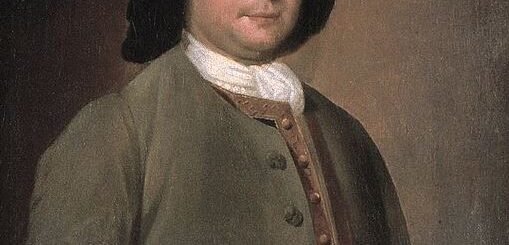
Charles Biddle, born on December 24, 1745, was a notable figure in early American history and a member of Philadelphia’s influential Biddle family. His life was marked by his dedication to public service, his roles in the American Revolutionary War, and his significant influence in Pennsylvania’s political landscape.
In the article below, WHE explores Biddle’s life and contributions, from his early years in a prominent Quaker family to his impactful political career.

Charles Biddle (December 24, 1745 – April 4, 1821) was a Pennsylvania statesman and a member of Philadelphia’s notable Biddle family.
Early Life and Family Background
Charles Biddle was born into a wealthy and well-established Quaker family in Philadelphia, which was then part of British America. His parents, William Biddle III and Mary Scull Biddle, were members of a socially respected family with strong community ties. The Biddles were active in Philadelphia’s civic life and committed to their Quaker values, which influenced Charles’s outlook on public service.
Biddle’s siblings were also notable figures. His brother Edward Biddle served as a delegate to the Continental Congress, where he played a role in shaping the emerging nation’s governance. Another brother, Nicholas Biddle, was a distinguished naval officer who served as a captain during the Revolutionary War. This familial environment of public duty and patriotism had a profound effect on Charles and likely inspired his own commitment to service.
History and Major Facts about the Second Continental Congress
Influential Connections and Early Friendships
Growing up in Philadelphia, Charles Biddle formed relationships with prominent figures, including Mathias Aspden and Benjamin Rush. Rush would become one of the Founding Fathers and a leading intellectual and medical figure in early America. Their friendship provided Biddle with access to some of the most influential minds of the time, shaping his perspective on governance, education, and public service.
Role in the American Revolutionary War
When the American Revolution began, Biddle was drawn into the struggle for independence. Although a member of a Quaker family—many of whom were pacifists—he chose to support the revolutionary cause actively. He served as a captain in the merchant fleet, where he helped circumvent British naval blockades of American ports, ensuring that critical supplies could reach the colonies.
Biddle also joined the Quaker Light Infantry, showing his willingness to participate in military actions despite his Quaker roots. In 1778, he served on the USS Randolph under his brother, Commodore Nicholas Biddle. This service underscored his commitment to the Revolutionary cause and aligned him closely with those fighting for American independence.
Entry into Pennsylvania Politics
Following the Revolutionary War, Biddle transitioned from military service to a political career. In 1785, he was elected Vice President of Pennsylvania (equivalent to today’s Lieutenant Governor). Serving from October 10, 1785, to October 31, 1787, he worked under Governors John Dickinson and Benjamin Franklin, both prominent leaders who played key roles in Pennsylvania and American history.
As Vice President, Biddle was involved in state governance during a critical period of transition. His duties included overseeing the state council and advising the governor. Biddle also hosted George Washington during his tenure, a significant honor that highlighted his role as a respected figure in Pennsylvania politics. His position made him an ex officio trustee of the University of the State of Pennsylvania (now the University of Pennsylvania), demonstrating his influence in educational as well as political circles.
Legislative Service and Influential Connections
After serving as Vice President, Biddle remained active in Pennsylvania’s political landscape. From 1810 to 1814, he served in the Pennsylvania Senate, where he participated in legislative decision-making during a time of continued national growth and development.
During this period, Biddle maintained connections with prominent figures, including Aaron Burr, who was known for his political and military career. Biddle introduced Burr to Theodosia Prevost, whom Burr later married after her first husband passed away. This connection illustrates Biddle’s role as a well-connected figure in early American society, involved with various influential personalities.
Legacy as a Public Servant
Charles Biddle’s contributions to Pennsylvania and the new nation extended beyond his formal political roles. His dedication to public service, as shown by his wartime efforts and his engagement with state affairs, underscored his commitment to the success of the United States. His service reflected the patriotism and civic duty that marked many members of his family.
Biddle’s tenure as Vice President of Pennsylvania concluded on October 31, 1787, though he vacated his Council seat earlier that month. Afterward, he briefly served as Secretary of the Council, allowing him to continue contributing to state governance. This role allowed him to maintain influence and provide his experience in a critical advisory capacity. His continued public service demonstrated his commitment to supporting the development of Pennsylvania’s governance structures during the early years of the United States.
Later Years and Death
Charles Biddle’s dedication to public service and his influence in Pennsylvania’s political landscape continued throughout his life. His involvement in both military and political realms left a lasting legacy in Pennsylvania and among the Biddle family. Biddle passed away on April 4, 1821, in his hometown of Philadelphia. His wife survived him by nearly four years, passing away on January 4, 1825.
Biddle’s death marked the end of an era for one of Philadelphia’s prominent families. His contributions to the Revolutionary War, his role as Vice President of Pennsylvania, and his continued involvement in politics left a legacy of public service and dedication to the early American cause.
Impact and Legacy
Charles Biddle’s life reflected a commitment to civic responsibility and patriotism, values instilled by his family and supported by his associations with key historical figures. His military service, participation in early Pennsylvania governance, and connections with influential leaders of his time positioned him as an important figure in Pennsylvania’s history. His legacy is one of dedication to the public good and a model of service that has endured through his descendants and in the historical memory of Philadelphia.
Through his public service, Charles Biddle contributed to the stability and development of Pennsylvania during the nation’s formative years. His role in both state politics and as a trustee of the University of the State of Pennsylvania reflects his commitment to education and governance, embodying the values of a new nation striving for independence and self-governance.
Frequently Asked Questions about Charles Biddle
When and where was Charles Biddle born?
Charles Biddle was born on December 24, 1745, in Philadelphia, Pennsylvania, then part of British America.
Who were Charles Biddle’s parents, and what was his family’s background?
His parents were William Biddle III and Mary Scull Biddle, and he was part of a prominent Quaker family in Philadelphia.
Which of Charles Biddle’s siblings held notable roles during the Revolutionary era?
His brother Edward Biddle was a Continental Congress delegate, and Nicholas Biddle served as a captain in the Revolutionary War navy.
How did Biddle’s friendship with Benjamin Rush impact his early years?
Biddle’s friendship with Rush, a Founding Father, connected him with influential figures and ideas that shaped his formative years.
What was Charles Biddle’s role in the American Revolutionary War?
He served as a captain in the merchant fleet, helping to evade British blockades, and also joined the Quaker Light Infantry.
In which significant political role did Charles Biddle serve from 1785 to 1787?
He served as Vice President of Pennsylvania, similar to today’s Lieutenant Governor, under John Dickinson and Benjamin Franklin.
What responsibilities did Biddle have as Vice President of Pennsylvania?
As Vice President, he hosted George Washington and served as an ex officio trustee of what is now the University of Pennsylvania.
When did Charles Biddle serve in the Pennsylvania Senate, and what connections did he make during this time?
He served from 1810 to 1814 and was connected with political figures like Aaron Burr, whom he introduced to Burr’s future wife, Theodosia Prevost.
When did Biddle’s term as Vice President of Pennsylvania end, and what role did he assume afterward?
His term ended in October 1787; he then briefly served as Secretary of the Council, continuing his political influence.
When did Charles Biddle pass away, and how is he remembered?
He passed away on April 4, 1821, in Philadelphia, remembered for his contributions to the American Revolution and Pennsylvania politics.