Who were the Cuitlatec people?
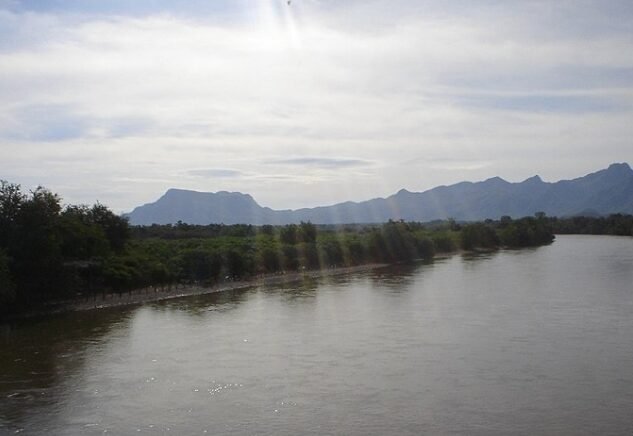
As inhabitants of the Río Balsas region, the Cuitlatec people contributed to the cultural diversity of pre-Columbian Mexico through their unique language and way of life.
The Cuitlatec, also known as Cuitlateco or Cuitlateca, were an Indigenous people of Mexico who historically inhabited the Río Balsas region in the modern-day state of Guerrero. Their existence adds a significant chapter to the cultural and linguistic diversity of pre-Columbian Mexico. Despite their once-distinct cultural identity, both the Cuitlatec people and their language have faded into extinction.
How were the Americas prior to the era of European exploration?
Geographic Location
The Cuitlatec lived in the rugged terrain of the Río Balsas basin, a region characterized by its arid climate and proximity to Mexico’s Pacific coast. This area of Guerrero state provided the Cuitlatec with natural resources necessary for subsistence, including rivers for water, fertile lands for agriculture, and diverse flora and fauna for food and materials. The Río Balsas region has long been a crossroads of cultural interaction, and the Cuitlatec contributed to its historical significance.
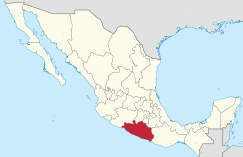
Modern-day state of Guerrero within Mexico
The Cuitlatec Language
One of the most defining characteristics of the Cuitlatec was their language, which has intrigued linguists for its unique features. The Cuitlatec language is classified as a language isolate, meaning it has no known relation to any other language. This linguistic distinctiveness highlights the group’s cultural autonomy and historical significance within the broader context of Mesoamerican civilizations.
Unfortunately, the language became extinct due to the cultural assimilation and displacement brought about by colonization and the subsequent dominance of Spanish in the region. Today, knowledge of the Cuitlatec language is limited to a few surviving records and linguistic reconstructions, which provide insight into its structure and vocabulary.
Extinction of the Cuitlatec Ethnic Group
The Cuitlatec people are considered extinct as both a linguistic and ethnic group. This extinction was likely a result of several factors, including the impact of Spanish colonization, disease, forced assimilation, and the loss of their traditional way of life. Like many Indigenous groups in Mexico, the Cuitlatec struggled to maintain their cultural identity amidst the societal and political changes that followed European contact.
The disappearance of the Cuitlatec highlights the broader trend of Indigenous marginalization during Mexico’s colonial and post-colonial periods. Efforts to preserve the cultural legacy of groups like the Cuitlatec have only gained attention in recent decades, emphasizing the importance of historical and linguistic documentation.
Cultural Practices and Way of Life
While detailed records of the Cuitlatec’s daily life are scarce, it is believed that their culture shared similarities with neighboring Indigenous groups in the Río Balsas region. Agriculture likely played a central role, with staples such as maize, beans, and squash forming the basis of their diet. The Cuitlatec may have also engaged in hunting, fishing, and the gathering of wild plants to supplement their agricultural activities.
Their social organization and spiritual practices remain largely speculative, but given the Mesoamerican cultural context, it is plausible that their traditions included ceremonies tied to agriculture, celestial cycles, and community cohesion. Artifacts and architectural remains from the region suggest a degree of complexity in their societal structure.
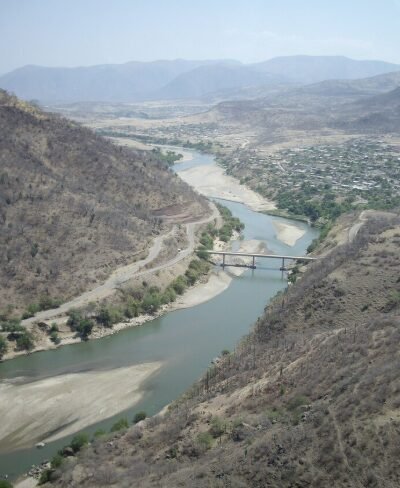
The Balsas River
Legacy and Historical Importance
Although the Cuitlatec people and their language no longer exist, their historical footprint contributes to the understanding of Mesoamerican diversity. The Río Balsas region is an area of archaeological and anthropological importance, with evidence of ancient settlements, trade routes, and cultural exchanges. The Cuitlatec were one among many groups that shaped this dynamic environment.
The linguistic uniqueness of the Cuitlatec language also provides an important lens for studying language isolates and the processes of cultural and linguistic extinction. Efforts to study and document such languages shed light on the human capacity for linguistic diversity and innovation.
Challenges in Research and Documentation
One of the greatest challenges in studying the Cuitlatec is the scarcity of primary sources and historical records. Much of what is known about them comes from archaeological findings and limited linguistic documentation. Unlike larger Mesoamerican civilizations such as the Maya or Aztecs, the Cuitlatec left behind fewer enduring monuments or written records, which has made reconstructing their history particularly difficult.
This lack of documentation emphasizes the broader issue of preserving the histories of smaller Indigenous groups. It also highlights the need for interdisciplinary approaches that combine linguistics, archaeology, and ethnography to uncover the stories of marginalized peoples.





