Category: Pre-Columbian Civilizations
Mesoamerican pyramids are among the most remarkable architectural achievements of ancient civilizations in the Americas. These structures reflect the spiritual, political, and cultural sophistication of their builders. While each pyramid...
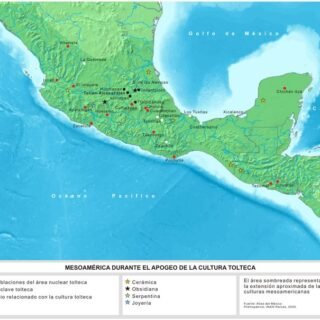
The Toltecs were a Nahuatl-speaking tribe that dominated central Mexico from the 10th to the 12th century CE. Their name translates to meanings like “urbanite,” “cultured person,” or “reed person,”...
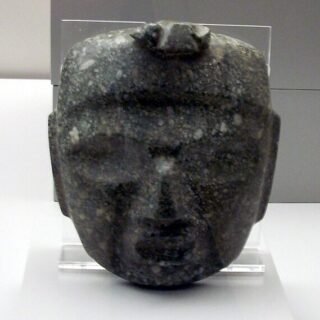
The Mezcala culture, also known as the Balsas culture, thrived in the southern Mexican state of Guerrero, particularly in the upper Balsas River region. Though relatively obscure and poorly understood,...
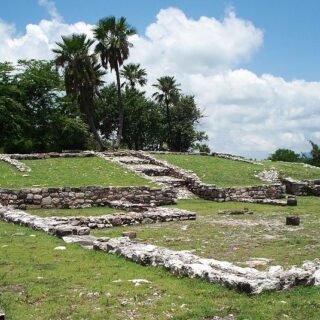
Cuetlajuchitlán is a fascinating Mesoamerican archaeological site, located 3 kilometers southeast of Paso Morelos in the northeast of Guerrero, Mexico. Its discovery in 1991 during the construction of the Cuernavaca-Acapulco...
The Cuitlatec, also known as Cuitlateco or Cuitlateca, were an Indigenous people of Mexico who historically inhabited the Río Balsas region in the modern-day state of Guerrero. Their existence adds...
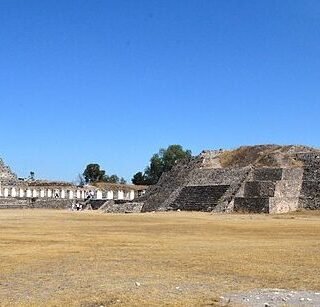
Tula, also known by its Otomi name Mämeni, is a Mesoamerican archaeological site of profound historical and cultural significance. What was Tula’s significance in Mesoamerican history? Serving as the capital...
Teotihuacan, an ancient Mesoamerican city, stands as one of the most significant archaeological and cultural sites in pre-Columbian America. Located approximately 40 kilometers northeast of modern-day Mexico City, this UNESCO...
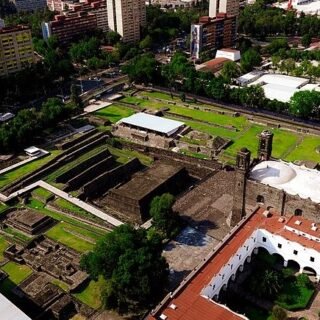
Tlatelolco, also known as Mexico-Tlatelolco, was a significant pre-Columbian city-state, or altepetl, situated in the Valley of Mexico. Its inhabitants, the Tlatelolca, were part of the larger Mexica group, a...