Life and Reign of Archelaus of Macedon
Archelaus of Macedon, who reigned from 413 BC until his death in 399 BC, was a transformative leader who reshaped the kingdom of Macedon through extensive administrative, military, and cultural...
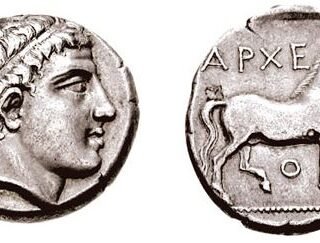
Archelaus of Macedon, who reigned from 413 BC until his death in 399 BC, was a transformative leader who reshaped the kingdom of Macedon through extensive administrative, military, and cultural...

Aeacus, a prominent figure in Greek mythology, is celebrated as a symbol of justice, piety, and divine favor. The son of Zeus and the nymph Aegina, Aeacus’ life and legacy...
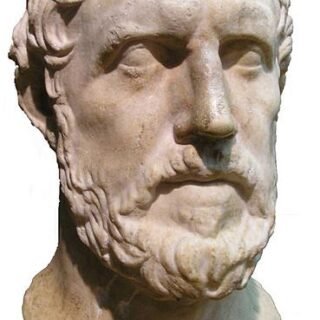
Thucydides, born around 460 BC, is renowned as one of the most influential historians of the ancient world, primarily for his work The History of the Peloponnesian War. This detailed account...

Iphigenia is a complex and intriguing figure in Greek mythology, known for her role in the stories surrounding the Trojan War and her relationship with the gods, especially Artemis. She...

Publius Papinius Statius was a notable Latin poet from the 1st century CE, renowned for his rich and complex verse, his cultural versatility, and his ability to navigate both Greek...

The Judges of the Afterlife in Greek mythology—Minos, Rhadamanthus, and Aeacus—play a central role in the underworld’s justice system, ensuring that the deeds of the deceased are evaluated, and their...

Triptolemus is a central figure in Greek mythology, closely associated with the Eleusinian Mysteries and the origins of agriculture. Often considered a semi-divine hero, his story intertwines with the myths...
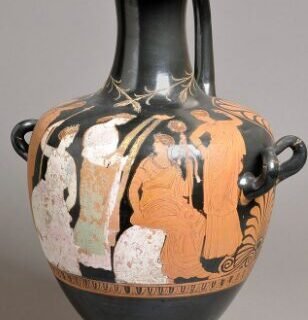
The Eleusinian Mysteries Hydria is a unique example of ancient Greek pottery that captures the deep cultural and religious significance of the Eleusinian Mysteries—one of the most revered religious ceremonies...
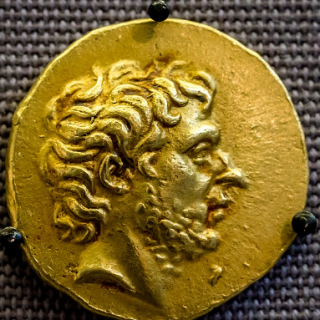
Titus Quinctius Flamininus, a distinguished figure of the late third and early second centuries BC, played a pivotal role in establishing Roman influence in Greece and setting the stage for...
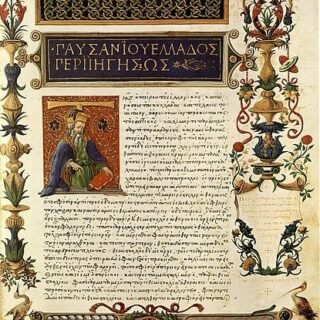
Pausanias, the Greek traveler and geographer, remains one of the most significant figures in the documentation of ancient Greece’s culture, geography, and mythology. Despite the limited information about his personal...

In Greek mythology, Aegina is a figure known both as a mortal princess and as a nymph associated with an island that would later bear her name. Aegina’s myth intertwines...
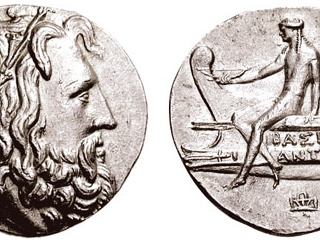
Antigonus III Doson, an important figure of the Hellenistic period, ruled as King of Macedon from 229 to 221 BC. Known for his political tact, military skill, and effective governance,...
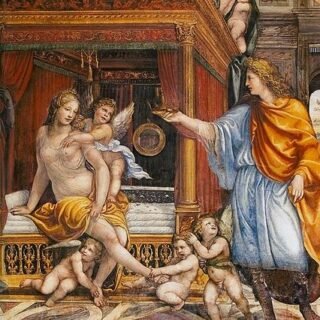
Roxana of Bactria, an influential figure in the ancient world, was born into a noble Bactrian family as the daughter of Oxyartes, a noble who served the satrap Bessus. Her...
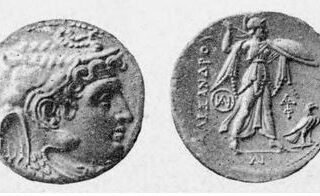
Alexander IV of Macedon (323/322–309 BC) was the son of Alexander the Great and his wife, Roxana of Bactria, who belonged to the Sogdian culture. His life, though brief and...

Publius Ovidius Naso, known as Ovid, was a prominent Roman poet whose life, works, and literary legacy have made him one of the most enduring figures in classical literature. Born...





