Who are the Chokwe people?
The Chokwe people, also spelled Kibokwe, Kioko, Bajokwe, Chibokwe, Ciokwe, or Badjok, form a prominent Bantu ethnic group spread across Angola, the southwestern region of the Democratic Republic of the...

The Chokwe people, also spelled Kibokwe, Kioko, Bajokwe, Chibokwe, Ciokwe, or Badjok, form a prominent Bantu ethnic group spread across Angola, the southwestern region of the Democratic Republic of the...
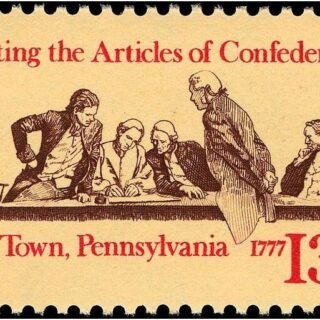
The Articles of Confederation was adopted during the American Revolutionary War. In the nutshell, it represented the United States’ first attempt at a national framework of government. Ratified in 1781,...

The relationship between Homo sapiens and Neanderthals (Homo neanderthalensis) is one of the most fascinating narratives in human evolution. For many years, scientists debated whether Neanderthals were a completely separate species...
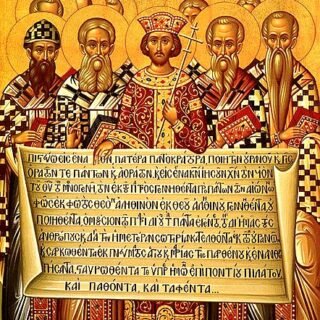
The reign of Emperor Constantine the Great (306–337 AD) was a transformative period in Roman history, marking the transition of Christianity from a persecuted faith to a dominant force within...
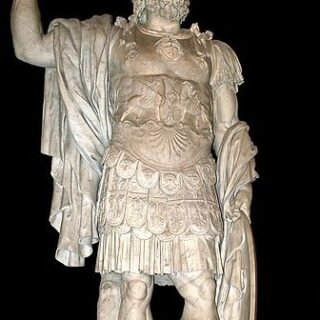
The ver sacrum (“sacred spring”) was a religious practice among ancient Italic peoples, particularly the Sabines and their offshoots, such as the Samnites. It involved dedicating all offspring—both human and...

A plague doctor was a physician who treated victims of bubonic plague during epidemics in 17th-century Europe. These physicians were typically hired by municipalities to provide medical care to infected...
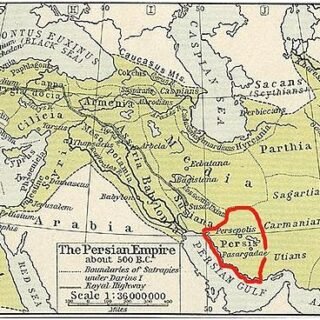
The Kings of Persis, also known as the Darayanids, ruled the region of Persis (modern-day Fars) in southwestern Iran from the late 2nd century BCE to the early 3rd century...
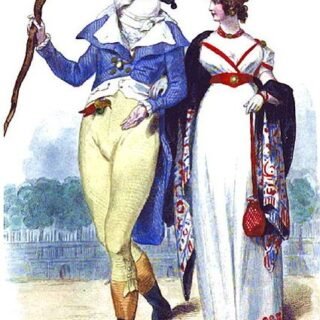
The Incroyables (“Incredibles”) and their female counterparts, the Merveilleuses (“Marvelous Women”), were prominent figures in the extravagant social culture of post-Revolutionary France during the Directory period (1795–1799). Emerging from the...

Cyaxares II, a disputed Median king mentioned in Xenophon’s Cyropaedia, is absent from Herodotus’ account. Some scholars equate him with “Darius the Mede” from the Book of Daniel, fueling historical...
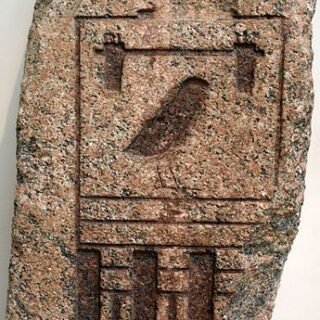
The royal titulary, also known as the royal protocol, was a system of five names used by the pharaohs of ancient Egypt. It symbolized both their divine and earthly authority...
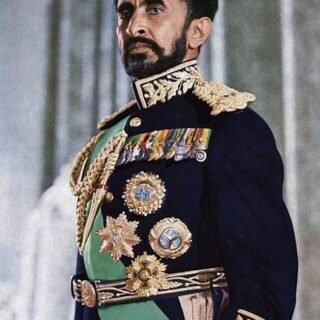
Haile Selassie, the former Emperor of Ethiopia, holds a central role in Rastafari belief, where he is often regarded as divine. This recognition stems from a combination of biblical interpretation,...
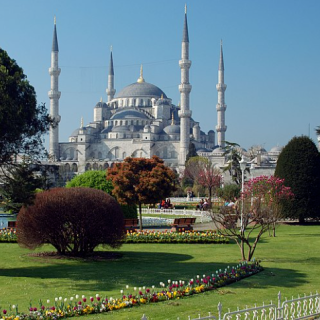
The Blue Mosque is one of the most iconic landmarks of Istanbul, Turkey. Constructed between 1609 and 1617 under the reign of Sultan Ahmed I, it stands as a magnificent example...

Vera Reitzer’s life encompassed extreme contrasts—she survived Auschwitz, was liberated by American forces, resettled in Israel, and later supported a system of racial segregation in South Africa. Her story illustrates...

The kite experiment was a pivotal moment in scientific history, demonstrating the electrical nature of lightning and significantly advancing the field of electricity. Summary The kite experiment, conducted in 1752,...
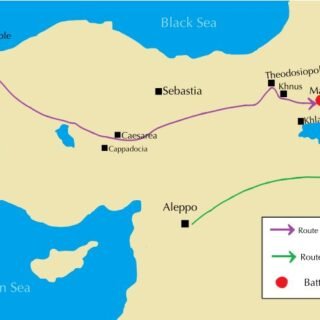
The Battle of Manzikert, fought on August 26, 1071, between the Byzantine Empire and the Seljuk Empire near Manzikert (modern-day Malazgirt in Turkey), marked a turning point in Middle Eastern...