Who was Rabbula of Edessa?
Rabbula, also known in Latin as Rabula, served as the bishop of Edessa from 411 to August 435 AD. He is particularly noted for his staunch opposition to the theological...
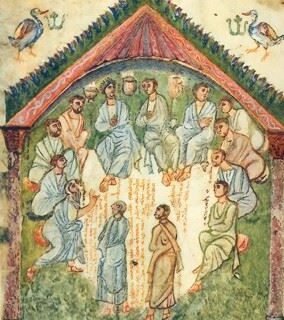
Rabbula, also known in Latin as Rabula, served as the bishop of Edessa from 411 to August 435 AD. He is particularly noted for his staunch opposition to the theological...
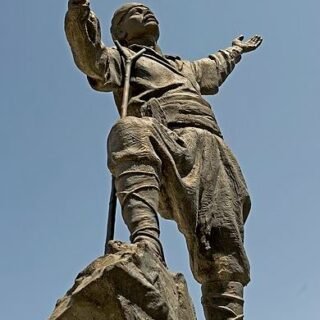
Yunus Emre (1238–1320), one of the most significant Turkish poets and Sufi mystics, left an enduring legacy in Turkish literature and Islamic thought. His works, composed in Old Anatolian Turkish,...
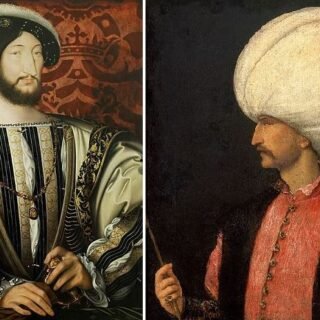
Here is everything you need to know about the Franco-Ottoman alliance, including its historical development, military cooperation, trade agreements, and eventual decline in the early 19th century. Summary The Franco-Ottoman...
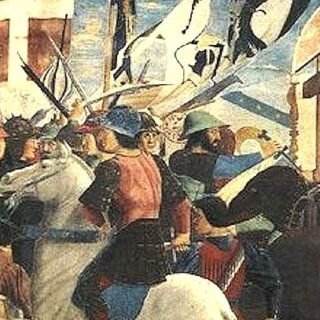
The Invasion of Corsica in 1553 was a significant military campaign involving the combined forces of France, the Ottoman Empire, and Corsican exiles against the Republic of Genoa. This conflict...
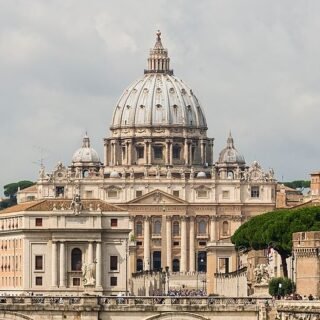
The history of the Roman Catholic Church spans over two millennia, yet no Black pope has ever been elected. This absence raises questions about racial representation, historical influences, and the...

The Scilly naval disaster of 1707 remains one of the most tragic maritime incidents in British history. On the night of October 22, 1707, four Royal Navy warships were lost...

Tobacco, a plant native to the Americas, was introduced to European society during the Age of Exploration in the late 15th and early 16th centuries. The spread of tobacco was...
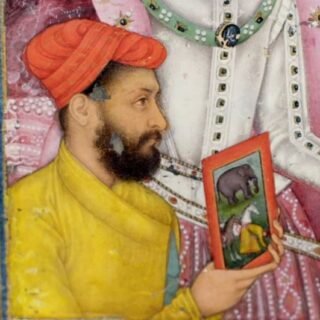
Bichitr was a prominent Indian painter of the Mughal period, flourishing during the 17th century under the patronage of emperors Jahangir and Shah Jahan. His works, characterized by their meticulous...

The Northern Wei (386–535) was a Chinese imperial dynasty ruled by the Tuoba (Tabgach) clan of the Xianbei. It was the first of the Northern dynasties, unifying northern China in...

The Dragon Boat Festival (Duanwu Festival) is a traditional Chinese holiday celebrated on the fifth day of the fifth lunar month, usually in late May or early June, featuring dragon...
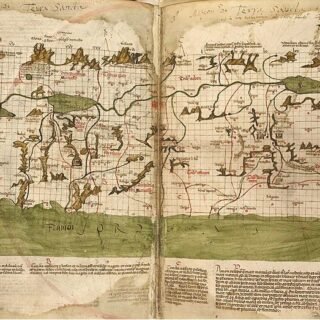
The Holy Land is an area of profound religious, historical, and cultural significance, located roughly between the Mediterranean Sea and the eastern bank of the Jordan River. It is traditionally...
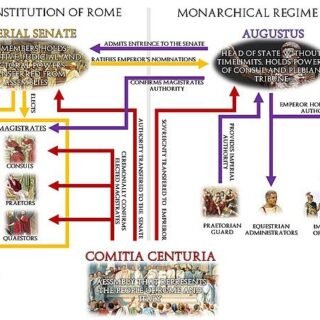
The Principate was the first phase of imperial government in Rome (27 BC–AD 284), characterized by the rule of a single emperor who maintained the illusion of Republican institutions. Etymology...
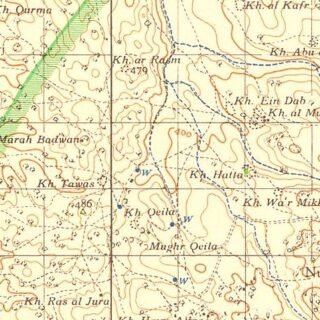
Keilah was a city in the lowlands of the ancient Kingdom of Judah. Today, its ruins are known as Khirbet Qeyla, located near the modern village of Qila in the...
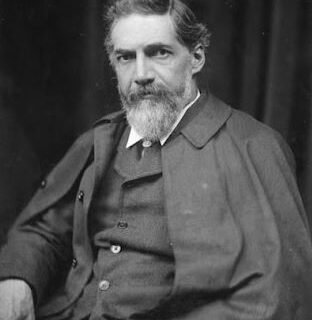
Egyptology, the scientific study of ancient Egypt, has been shaped by numerous scholars whose groundbreaking discoveries have unveiled the mysteries of one of the world’s oldest civilizations. From deciphering hieroglyphs...
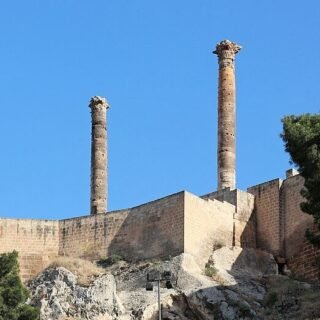
Edessa, an ancient city in Upper Mesopotamia, is known for its rich historical and cultural legacy. Located in present-day Şanlıurfa, Turkey, Edessa played a significant role in various historical epochs,...





