History of St. Peter’s Basilica
The Papal Basilica of Saint Peter in Vatican City, commonly known as Saint Peter’s Basilica, is an iconic structure of the Italian High Renaissance located in Vatican City. This independent microstate is enclaved within Rome, Italy. Renowned for its architectural grandeur and historical significance, the basilica is a masterpiece of Renaissance art and a spiritual center of Christianity.
Construction of the present basilica began on April 18, 1506, replacing the original structure built in the fourth century by Emperor Constantine the Great. The basilica was completed on November 18, 1626. Saint Peter’s Basilica is credited to several great artists and architects, including Donato Bramante, Michelangelo, Carlo Maderno, and Gian Lorenzo Bernini.

St. Peter’s Basilica as viewed from St. Peter’s Square.
Historical Background
The original Saint Peter’s Basilica was commissioned by Emperor Constantine the Great in the early 4th century. This basilica, known as Old Saint Peter’s, was a simple structure with a wide nave and aisles, reflecting early Christian basilica design. It served as the burial site of Saint Peter, one of Jesus’s apostles and the first Bishop of Rome. Over time, the structure deteriorated, prompting Pope Nicholas V and later Pope Julius II to plan a new, grander basilica.
The construction of St. Peter’s Basilica reflects the dedication of generations of architects, artists, and patrons.
Pope Julius II initiated the ambitious project to construct the new basilica, aiming to create a monumental church befitting Saint Peter’s status. Bramante’s original design proposed a Greek cross plan with a central dome inspired by the Pantheon. Subsequent architects, including Michelangelo, modified the plan, transforming it into a Latin cross with a longer nave. Michelangelo’s contribution, particularly his redesign of the dome, was pivotal. Construction spanned over a century, involving the expertise of successive architects and numerous papal patrons.
Architectural Features

The Dome
The dome of Saint Peter’s Basilica is one of the most remarkable achievements in Renaissance architecture. Designed primarily by Michelangelo, the dome rises to a height of 136.57 meters (448.1 feet), making it the tallest dome in the world. Its double-shell construction ensures both stability and aesthetic brilliance. Giacomo della Porta and Domenico Fontana completed the dome after Michelangelo’s death.

A close view of the Dome of St. Peter’s Basilica.
The Façade
The façade, designed by Carlo Maderno, was completed in 1612. It measures 114.69 meters (376.3 feet) in width and 45.55 meters (149.4 feet) in height. The façade is adorned with Corinthian columns and features statues of Jesus Christ, John the Baptist, and the apostles. Though impressive, critics argue that the façade obscures the view of the dome from the piazza.
The Interior
The interior of Saint Peter’s Basilica is vast and intricately decorated. With an area of 15,160 square meters (163,200 square feet), it is the largest church in the world. Highlights include:
- The Baldachin: Designed by Bernini, this bronze canopy marks the Papal Altar.
- The Pietà: Michelangelo’s masterpiece, located in the north aisle, depicts Mary holding the body of Jesus.
- The Chair of Saint Peter: A relic housed in an elaborate bronze throne designed by Bernini.
The basilica also features numerous chapels, altars, and tombs of popes and saints, each showcasing exquisite artistry and craftsmanship.
Religious and Cultural Significance
Saint Peter’s Basilica is a major pilgrimage site for Catholics worldwide. It is traditionally believed to be the burial site of Saint Peter, whose tomb lies beneath the high altar. Pilgrims flock to the basilica to venerate this sacred site and participate in liturgical celebrations led by the Pope.
The basilica hosts numerous liturgical events throughout the year, including Christmas and Easter masses. Saint Peter’s Square, designed by Bernini, serves as a gathering place for these events, accommodating tens of thousands of faithful.
The basilica’s design has influenced church architecture globally. Its dome inspired structures such as St. Paul’s Cathedral in London and the Capitol in Washington, D.C. The harmonious blend of Renaissance and Baroque styles exemplified by Saint Peter’s continues to captivate architects and art enthusiasts.
Key Contributors
Donato Bramante
Bramante’s initial design set the foundation for the basilica’s construction. His vision of a centrally planned Greek cross with a large dome influenced subsequent architects.
Michelangelo
Michelangelo’s involvement marked a turning point. He simplified Bramante’s plan, emphasizing structural clarity and grandeur. His design for the dome remains a crowning achievement of Renaissance art.
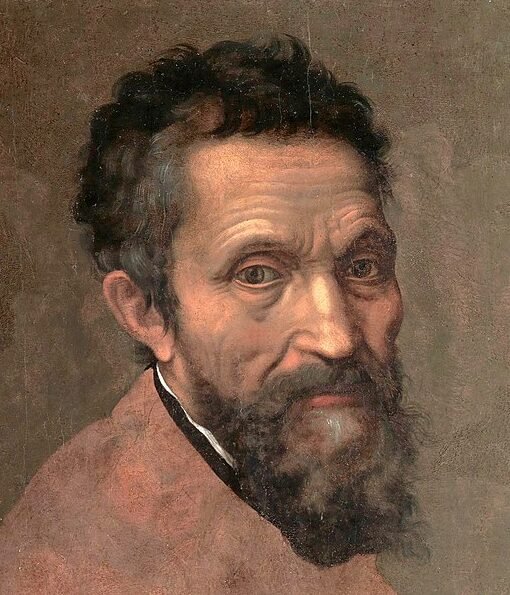
A portrait of Michelangelo.
Carlo Maderno
Maderno extended the nave to create a Latin cross plan and designed the monumental façade. His work ensured the basilica’s functionality as a large pilgrimage church.
Gian Lorenzo Bernini
Bernini’s contributions include the baldachin, the design of Saint Peter’s Square, and numerous sculptures. His Baroque artistry brought dynamic energy to the basilica’s interior and exterior spaces.
Saint Peter’s Square
Bernini’s design for Saint Peter’s Square complements the basilica’s grandeur. The elliptical piazza, bordered by colonnades, symbolizes the embracing arms of the Church. At its center stands an ancient Egyptian obelisk flanked by fountains, creating a harmonious spatial arrangement.
UNESCO World Heritage Site
Saint Peter’s Basilica, as part of Vatican City, was designated a UNESCO World Heritage Site in 1984. This recognition underscores its historical, cultural, and architectural significance.
Lateran Treaty: History and Major Facts about Treaty that Established an Independent Vatican City
Questions and Answers

Front view of St. Peter’s Basilica
Where is St. Peter’s Basilica located?
It is situated in Vatican City, an independent microstate enclaved within Rome, Italy.
What is the historical significance of St. Peter’s Basilica?
The basilica is traditionally believed to be the burial site of Saint Peter, the chief Apostle and first Pope. It stands as one of Christianity’s holiest sites and a major Catholic pilgrimage destination.
When was the current basilica built?
Construction began on April 18, 1506, and was completed on November 18, 1626.
Who were the principal architects?
Key contributors include Donato Bramante, Michelangelo, Carlo Maderno, and Gian Lorenzo Bernini.
Why is St. Peter’s Basilica important in Catholic tradition?
It serves as a symbolic center of the Catholic Church, hosting major papal liturgies and ceremonies.
Is St. Peter’s Basilica a cathedral?
No, it is not a cathedral. The Pope’s cathedral is the Archbasilica of St. John Lateran in Rome.
What is the dome’s significance?
Designed by Michelangelo, the dome is one of the largest in the world, symbolizing divine power and architectural achievement.
What are some key interior features?
The interior includes Michelangelo’s Pietà, Bernini’s Baldachin, and numerous chapels, altars, and tombs of popes and saints.
What is St. Peter’s Square?
The piazza in front of the basilica, designed by Bernini, symbolizes the Church’s arms open to the faithful.
How does the basilica influence global church architecture?
Its design inspired numerous churches worldwide, including St. Paul’s Cathedral in London and the Basilica of Our Lady of Peace in Ivory Coast.
What are the major relics housed in the basilica?
Relics include Saint Peter’s remains, the Chair of St. Peter, and the spear of Longinus.
How is the basilica connected to historical events?
It played roles during the Protestant Reformation, Catholic Counter-Reformation, and numerous papal ceremonies.





