Life and Political Career of William Grenville
William Wyndham Grenville, 1st Baron Grenville (25 October 1759 – 12 January 1834), was a prominent British statesman who played a significant role in the political landscape of the late 18th and early 19th centuries.
A cousin of Prime Minister William Pitt the Younger and a member of a powerful political family, Grenville held various high-ranking positions, including Foreign Secretary, Leader of the House of Lords, and ultimately Prime Minister. His tenure as Prime Minister was marked by the passage of the Slave Trade Act of 1807, which abolished the slave trade in the British Empire.
Below, British historians at World History Edu explore William Grenville’s life, political career, and enduring legacy.
Early Life and Education
Born into a distinguished political family, William Grenville was the youngest son of George Grenville, who served as Prime Minister from 1763 to 1765, and Elizabeth Wyndham, daughter of Sir William Wyndham, 3rd Baronet. His maternal lineage connected him to the aristocracy and royalty, as he was a great-grandson of Charles Seymour, 6th Duke of Somerset, and a descendant of Lady Katherine Grey, linking him to King Henry VII and Elizabeth of York.
Grenville received an exceptional education, beginning at Eton College, one of England’s most prestigious schools. He continued his studies at Christ Church, Oxford, where he excelled academically, particularly in classics and law. His intellectual prowess was evident, and he formed connections with future influential figures during his time at university. After Oxford, he studied law at Lincoln’s Inn, preparing for a career in public service.
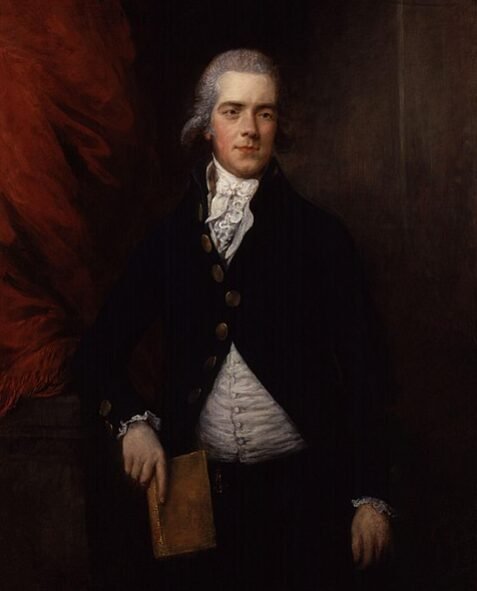
Image: A painting of William Grenville by British painter, Gainsborough Dupont.
Entry into Politics
Grenville’s entrance into politics was almost inevitable, given his family’s prominence. In 1782, at the age of 22, he was elected to the House of Commons as the Member of Parliament for Buckingham, a seat he inherited from his family. His early political career was closely tied to his cousin, William Pitt the Younger, who became Prime Minister in 1783. The two shared a close relationship, both personally and politically.
Initially, Grenville served as a supporter of Pitt’s policies and quickly gained a reputation for his administrative abilities and oratory skills. In 1782, he was appointed as Secretary to the Lord Lieutenant of Ireland, his brother George Nugent-Temple-Grenville, Marquess of Buckingham. This role provided he with valuable experience in governance and Irish affairs.
Rise Through the Ranks
In 1783, Grenville was appointed Paymaster of the Forces, a significant position responsible for managing military finances. He held this role until 1789, demonstrating his capability in financial administration. During this period, he also served as a close advisor to Pitt, assisting in various diplomatic and governmental matters.
In 1789, following the death of Charles Wolfran Cornwall, the Speaker of the House of Commons, Grenville was elected as the new Speaker. His tenure was brief, as later that year, he was appointed Home Secretary, succeeding Lord Sydney. As Home Secretary, he dealt with domestic affairs during a time of political unrest, including issues related to the French Revolution and its impact on Britain.
Elevation to the Peerage and Foreign Secretary
In 1790, Grenville was elevated to the peerage as Baron Grenville, allowing him to sit in the House of Lords. This move was strategic, as it placed a trusted ally of Pitt in the upper chamber of Parliament. The following year, in 1791, he was appointed Foreign Secretary, a position he held for a decade.
As Foreign Secretary, Grenville faced the challenging task of navigating Britain through the tumultuous period of the French Revolutionary Wars. He was instrumental in forming coalitions against Revolutionary France, working closely with European powers such as Austria, Prussia, and Russia. Grenville believed that defeating France required strong alliances and coordinated military efforts on the continent.
One of his significant achievements during this time was the negotiation of the Second Coalition in 1798. Despite initial successes, the coalition ultimately failed to defeat France decisively. His foreign policy was characterized by his commitment to containing French expansion and preserving Britain’s interests abroad.
Relationship with King George III and William Pitt the Younger
Grenville developed a close working relationship with King George III, particularly in their shared opposition to the revolutionary government in France. Both men were wary of the spread of revolutionary ideas and sought to restore the Bourbon monarchy in France. This stance sometimes put Grenville at odds with Pitt, who was more pragmatic about the possibility of negotiating peace with France.
Tensions between Grenville and Pitt emerged over the issue of Catholic emancipation. Both men initially supported granting civil rights to Catholics, but King George III was firmly opposed, believing it violated his coronation oath. In 1801, when the King refused to consider Catholic emancipation, both Grenville and Pitt resigned from their positions in protest.

Coronation portrait of King George III by Allan Ramsay.
Time Out of Office and Military Service
During his time out of government, Grenville continued to influence politics from the sidelines. He served in part-time military roles, such as Major in the Buckinghamshire Yeomanry Cavalry and Lieutenant-Colonel in the South Buckinghamshire Volunteer Regiment. These positions reflected the growing concern over national defense during the Napoleonic Wars.
He also aligned himself more closely with the opposition, particularly Charles James Fox, a leading Whig politician. Together, they criticized government policies and advocated for reforms, including Catholic emancipation.
Return to Power: The Ministry of All the Talents
Following Pitt’s death in January 1806, King George III reluctantly invited Grenville to form a government. Grenville became Prime Minister, leading a coalition known as the “Ministry of All the Talents.” The coalition included Whigs, moderate Tories, and independents, aiming to unite capable politicians across party lines.
Charles James Fox served as Foreign Secretary in the new government, marking a significant reconciliation between former political adversaries. The administration faced numerous challenges, including ongoing war with Napoleonic France, economic difficulties, and domestic unrest.
Abolition of the Slave Trade
The most notable achievement of Grenville’s government was the passage of the Slave Trade Act of 1807, which abolished the transatlantic slave trade within the British Empire. Grenville was a strong advocate for abolition, using his position in the House of Lords to push the legislation through despite significant opposition.
In a passionate speech, he argued that the slave trade was morally indefensible and damaging to Britain’s international reputation. The act was a monumental step toward ending slavery, although it did not abolish slavery itself, which would not occur until 1833.
Challenges and Downfall of the Ministry
Despite the success of the Slave Trade Act, Grenville’s ministry struggled in other areas. Attempts to negotiate peace with France were unsuccessful, and the war continued to strain Britain’s resources. Additionally, the issue of Catholic emancipation resurfaced, causing tension within the government.
Grenville sought to introduce measures to allow Catholics to serve in the military and hold public office. King George III remained adamantly opposed, leading to a confrontation. When Grenville refused to drop the issue, the King dismissed the government in March 1807.
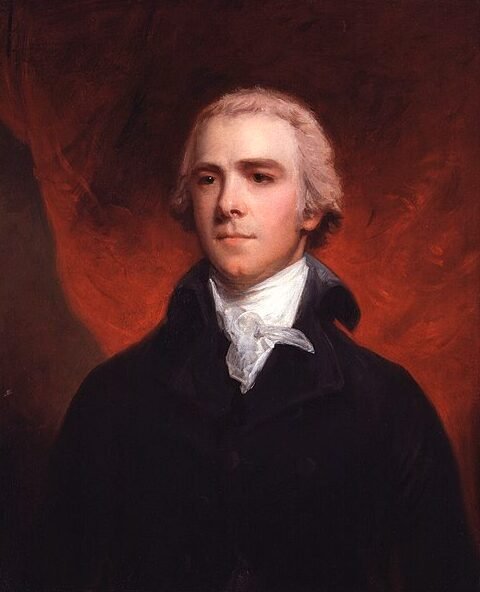
The William Grenville administration’s most significant achievement was the abolition of the slave trade in 1807. Image: John Hoppner’s Portrait of Lord Grenville.
Later Political Career
After leaving office, Grenville remained active in politics but never again held a government position. He continued to advocate for Catholic emancipation and criticized the government’s conduct of the war. Initially aligned with the Whigs, Grenville gradually moved closer to the Tories over time, particularly as his relationship with Lord Grey, a leading Whig, deteriorated.
In 1815, Grenville supported the government’s war policies against Napoleon during the Hundred Days and Battleof Waterloo. His shifting alliances reflected the complex and fluid nature of British politics during this era.
His political career effectively ended in 1823 after he suffered a stroke, which incapacitated him from active participation in politics.
Chancellor of the University of Oxford
In addition to his political activities, Grenville served as the Chancellor of the University of Oxford from 1810 until his death in 1834. In this role, he influenced the direction of one of England’s most prestigious educational institutions, promoting academic excellence and supporting reforms.
Personal Life
In 1792, Grenville married Anne Pitt, daughter of Thomas Pitt, 1st Baron Camelford. The marriage was childless, and they lived at Dropmore House in Buckinghamshire, an estate Grenville had built in the 1790s. The house became renowned for its extensive gardens and collection of rare conifer trees, reflecting his interest in horticulture.
Legacy and Death
William Grenville passed away on 12 January 1834 at the age of 74. With no heirs, his barony became extinct upon his death. His contributions to British politics were significant, particularly his role in the abolition of the slave trade. While his tenure as Prime Minister was brief and faced challenges, his commitment to moral causes and effective governance left an enduring impact.
Historians recognize Grenville as a statesman who navigated the complexities of a turbulent era. His ability to work across party lines and focus on issues of national importance demonstrated a dedication to public service over partisan interests.
Conclusion
William Wyndham Grenville’s life and political career were marked by significant achievements and challenges. As a member of a prominent political family, he leveraged his connections and talents to rise to the highest levels of government. His work as Foreign Secretary during a critical period in European history, his advocacy for the abolition of the slave trade, and his brief tenure as Prime Minister reflect a career dedicated to navigating the intricate landscape of British politics.
Frequently Asked Questions
How was Grenville related to other prominent political figures of his time?
Grenville was the son of former Prime Minister George Grenville and the cousin of both William Pitt the Younger and Charles James Fox. Through his mother, Elizabeth Wyndham, he was connected to influential figures on both the Whig and Tory sides of the political spectrum, and was a descendant of royal lineage through Lady Katherine Grey.
Where did Grenville receive his education, and how did it prepare him for public service?
He received an elite education at Eton College and Christ Church, Oxford, before studying law at Lincoln’s Inn. This education prepared him for a life in public service by providing him with a strong foundation in law, politics, and classical studies.
When did Grenville begin his political career, and what was his first position?
Grenville began his political career in February 1782 as a Member of Parliament for Buckingham, entering the House of Commons.
In September 1782, he was appointed Secretary to the Lord Lieutenant of Ireland, a position held by his brother, George Grenville.
What role did he play between 1784 and 1789?
Between 1784 and 1789, he served as Paymaster of the Forces, gaining valuable administrative experience and participating in diplomatic missions abroad.
Why was Grenville elected Speaker of the House of Commons in 1789?
The death of Speaker Charles Wolfran Cornwall in 1789 presented an opportunity, and Prime Minister William Pitt the Younger saw the advantage of having a trusted ally like Grenville in the Speaker’s chair during the Regency crisis caused by King George III’s illness.

Image: William Pitt the Younger
What position did Grenville assume after being elevated to the peerage in 1790?
After being elevated to the peerage as Baron Grenville in 1790, he moved to the House of Lords and became its Leader.
He served as Foreign Secretary from 1791 during the French Revolutionary Wars. His focus was on building coalitions against France and managing complex international alliances, favoring substantial involvement in European affairs.
How did Grenville’s relationship with King George III influence his political stance?
Grenville developed a close working relationship with King George III, especially in their shared opposition to making peace with revolutionary France unless the Bourbon monarchy was restored. This stance influenced his foreign policy and created tension with Prime Minister Pitt.
He resigned in 1801, along with Prime Minister William Pitt the Younger, due to King George III’s refusal to consider Catholic emancipation—a cause they both supported.
What was the “Ministry of All the Talents,” and who were some key figures in it?
The “Ministry of All the Talents” was a coalition government formed by Grenville in 1806 after Pitt’s death. Key figures included Charles James Fox as Foreign Secretary and Grenville’s brother, Thomas Grenville, as First Lord of the Admiralty.
What significant legislation was passed during Grenville’s tenure as Prime Minister?
The most notable accomplishment was the passage of the Slave Trade Act of 1807, which abolished the slave trade in the British Empire.
What led to the dismissal of Grenville’s government in 1807?
His government was dismissed because it failed to secure peace with France or advance Catholic emancipation, leading to a loss of support.
How did Grenville’s political alignment change after leaving office?
After leaving office, he remained active in politics, initially aligning with the opposition and maintaining his alliance with Lord Grey. Over time, he moved closer to the Tory government, supporting Lord Liverpool’s war policies by 1815.
What role did Grenville serve at the University of Oxford?
He served as the Chancellor of the University of Oxford from 1810 until his death in 1834, contributing to academic life and higher education.