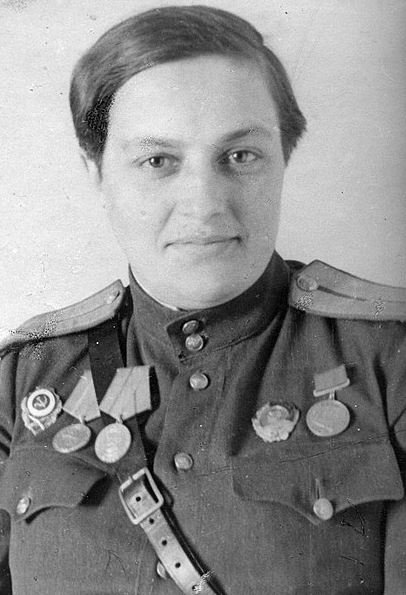
Lyudmila Mikhailovna Pavlichenko is generally regarded as one of the most renowned snipers in history. She played a pivotal role in World War II as a Soviet Red Army soldier.
Born on July 12, 1916, in Bila Tserkva, Ukraine, Pavlichenko displayed a competitive and determined nature from a young age. Her family moved to Kyiv when she was 14, where she joined a shooting club and honed her skills, earning the Voroshilov Sharpshooter badge and a marksman certificate. These achievements set the foundation for her remarkable military career.
Early Life and Education
Lyudmila’s upbringing was marked by resilience and a strong desire to excel. Her father, Mikhail Belov, was a decorated Communist Party member and former commissar in the Red Army, which likely influenced her sense of duty and discipline. After an early marriage and subsequent divorce, she returned to live with her parents while pursuing night school and working at the Kyiv Arsenal factory. Despite personal challenges, Lyudmila remained ambitious, enrolling at Kyiv University in 1937 to study history. She also excelled athletically, competing in sprinting and pole vaulting, while further developing her sharpshooting skills in a military-style sniper school.

Image: A 1942 image of Pavlichenko.
World War II Service
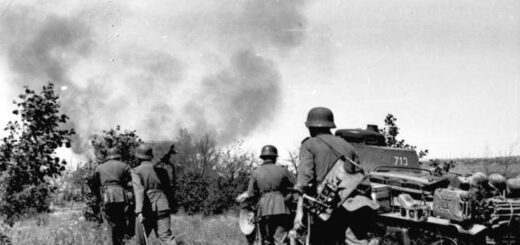
In June 1941, Germany’s invasion of the Soviet Union changed the trajectory of Pavlichenko’s life. At 25 years old and in her fourth year of university, she volunteered for military service at the Odesa recruiting office. Initially encouraged to become a nurse, she insisted on serving as a sniper, eventually joining the 25th Rifle Division. She was one of 2,000 female snipers in the Red Army, of whom only about 500 survived the war.
Her military career began during the Siege of Odesa, where she distinguished herself as a marksman, recording 187 confirmed kills in just over two months. Promoted to senior sergeant, she continued her service in Sevastopol after Odesa fell to Axis forces. There, she trained other snipers while continuing her deadly work, bringing her confirmed kill count to 257 by May 1942. Her total tally eventually reached 309, including 36 enemy snipers, making her one of the top snipers of all time.
Pavlichenko’s skill and bravery were evident in her counter-sniper duels, which demanded exceptional patience and precision. In one case, she spent three days eliminating an enemy sniper. Her prowess earned her the nickname “Lady Death” and made her a target of German propaganda, which both threatened and attempted to bribe her.
Injury and Propaganda Role
In June 1942, Pavlichenko was wounded by mortar shrapnel during intense fighting in Sevastopol. Recognizing her immense value, Soviet High Command evacuated her to Moscow, where she spent a month recovering. Following her recovery, she was deemed too valuable to return to combat and instead became a propagandist and trainer for the Red Army.
Her propaganda role took her to Allied nations, including the United States, Canada, and the United Kingdom, as part of efforts to encourage the opening of a second front in Europe. In Washington, D.C., she became the first Soviet citizen received at the White House, meeting President Franklin D. Roosevelt and First Lady Eleanor Roosevelt. The First Lady invited Pavlichenko on a tour of the U.S., where she shared her wartime experiences with large audiences.
Challenges in Allied Countries
Despite her military achievements, Pavlichenko faced trivial and often sexist questions from the Western press. Reporters focused on her appearance, asking about her uniform’s skirt length and whether she wore makeup on the front lines. In Chicago, she famously rebuked such attitudes, stating, “Gentlemen, I am 26 years old and I have killed 309 fascist invaders by now. Don’t you think, gentlemen, that you have been hiding behind my back for too long?” Her bluntness and courage resonated with audiences, generating widespread support.
In addition to her speeches, Pavlichenko received symbolic gifts, such as a Colt semi-automatic pistol from the U.S. government and a Winchester Model 70 rifle from Canada. She also visited England, where she toured factories and received financial donations from workers to aid the Soviet war effort.
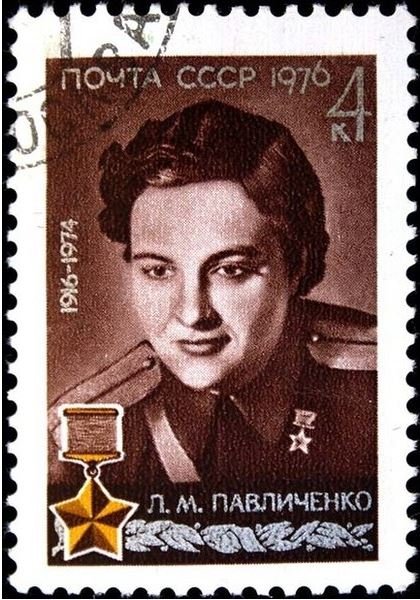
Image: A postage stamp dedicated to Lyudmila Pavlichenko.
Later Military and Civilian Life
After her tour, Pavlichenko did not return to combat but focused on training the next generation of Soviet snipers until the war’s conclusion in 1945. Her contributions earned her several prestigious awards, including the Hero of the Soviet Union title and two Orders of Lenin.
Following the war, Pavlichenko completed her history degree at Kyiv University and began working as a historian. From 1945 to 1953, she served as a research assistant for the Soviet Navy and later participated in the Soviet Committee of the Veterans of War. Despite her achievements, she struggled with PTSD and health issues stemming from her wartime experiences.
Legacy and Death
Lyudmila Pavlichenko passed away on October 10, 1974, at the age of 58 after suffering a stroke. She was buried in Moscow’s Novodevichy Cemetery, where her legacy as a war hero endures. Her life and accomplishments have been commemorated through Soviet postage stamps, folk songs, and films.
Woody Guthrie, an American folk singer, wrote “Miss Pavlichenko” to honor her wartime service and visit to the U.S. The 2015 Russian-Ukrainian film Battle for Sevastopol further dramatized her life, showcasing her extraordinary contributions to the Allied victory in World War II.
Who were the Night Witches in World War II?
Honors and Awards
Pavlichenko received numerous accolades during and after the war, including:
- Hero of the Soviet Union (1943)
- Two Orders of Lenin
- Two Medals for Military Merit
- Medals for the defense of Odesa and Sevastopol
- The Voroshilov Sharpshooter badge