Mentuhotep III

Despite his relatively short reign, Mentuhotep III left a lasting impact through his focus on trade, construction, and maintaining the stability of the Middle Kingdom. Image: Mentuhotep III on a relief carving from the temple of Monthu in Medamud
Sankhkare Mentuhotep III, also known as Montuhotep III, was a Pharaoh of Egypt’s Middle Kingdom. He ruled during the Eleventh Dynasty and succeeded his father, the influential Mentuhotep II. His reign, according to the Turin Canon, lasted 12 years. Mentuhotep III is remembered for his contributions to trade, architecture, and state stability despite the brevity of his rule.
Ascending the throne as an older ruler, he inherited a nation that had undergone unification under his father. His policies and projects reflect an effort to maintain the legacy of his predecessor while addressing Egypt’s economic and religious needs.
READ MORE: 9 Famous Middle Kingdom Pharaohs
Family Background
Mentuhotep III was the son of Mentuhotep II and likely Queen Tem, one of his father’s consorts. Queen Tem held the title “Mother of the Dual King,” which indicates her role in Mentuhotep III’s lineage. His family details are not well-documented, and his successor, Mentuhotep IV, is a subject of scholarly debate. Some historians believe Mentuhotep IV was his son, possibly born to a harem wife named Imi, though definitive evidence is lacking.

Seated painted sandstone statue of Nebhepetre Mentuhotep II, Egyptian Museum, Cairo.
The familial ambiguity reflects a broader uncertainty in Egyptology regarding the transition from the Eleventh to Twelfth Dynasties. Mentuhotep III’s legacy is shaped more by his accomplishments than by his familial ties.
Reign of Mentuhotep III
Mentuhotep III ruled during a period of relative stability and prosperity. Following the long 51-year reign of his father, he sought to consolidate the kingdom’s resources and reinforce Egypt’s position as a powerful state. His reign is best known for its focus on trade, construction, and maintaining the cultural and religious advancements of the Middle Kingdom.
Despite his short reign, Mentuhotep III left a significant mark on Egypt through an ambitious expedition to Punt, extensive building projects, and efforts to sustain his father’s legacy. His rule is seen as a continuation of the Eleventh Dynasty’s contributions to Egypt’s unification and development.
Expedition to the Land of Punt
One of the most notable achievements of Mentuhotep III’s reign was his expedition to the Land of Punt, a prosperous trading region. This undertaking occurred in the eighth year of his rule and marked the first such expedition since the Old Kingdom.
Mentuhotep III’s initiatives, particularly the expedition to Punt, underscore his ambition to revive Egypt’s global connections and religious practices.
The expedition was led by the steward Henenu and involved 3,000 men. The team departed from Coptos, journeying toward the Red Sea, possibly through the port of Mersa Gawasis. Along the route, they dug 12 wells to support future expeditions and cleared the area of rebel groups. The expedition returned with valuable goods such as incense, gum, and perfumes, which were essential for religious ceremonies and trade.
This initiative not only revived Egypt’s international trade connections but also demonstrated the Pharaoh’s commitment to economic and religious prosperity. The expedition is documented in inscriptions at the Wadi Hammamat, a key quarrying site.
Architectural Contributions
Mentuhotep III’s reign also saw significant advancements in architecture. He continued the tradition of monumental construction initiated by his father, contributing to Egypt’s religious and cultural infrastructure.
He expanded the temple of Montu at Medamud, where a monumental doorway inscribed with his royal titles was installed. This artifact, now housed in the Louvre Museum, showcases his dedication to the god Montu and his own legacy.

Ruins of Mentuhotep III’s temple at Thoth Hill in Western Thebes
Another major project was the construction of a mudbrick temple at Thoth Hill in Western Thebes. Built on the site of an older archaic structure, the temple was dedicated to the god Montu-Ra. However, it is believed to have been destroyed by an earthquake during the late Eleventh Dynasty.
These architectural endeavors reflect his focus on honoring Egypt’s gods and reinforcing his reign’s legitimacy. His contributions to religious structures strengthened the cultural fabric of the Middle Kingdom.
READ MORE: How did Thoth influence daily life in ancient Egypt?
The Question of Mentuhotep III’s Mortuary Temple
For years, scholars speculated that Mentuhotep III began construction of his own mortuary temple in a valley near his father’s temple at Deir el-Bahari. The unfinished structure was linked to him due to its proximity to the tomb of Meketre, his high steward. However, recent evidence suggests the monument might belong to Amenemhat I of the Twelfth Dynasty.
This uncertainty highlights the incomplete understanding of Mentuhotep III’s funerary practices. To date, the location of his actual tomb remains unknown, adding an element of mystery to his legacy.
Royal Titulary and Legacy
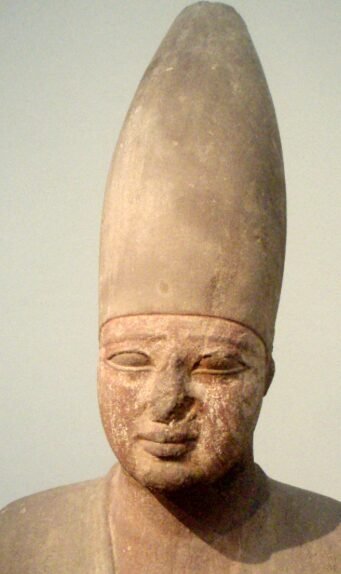
While many aspects of Mentuhotep III’s life and rule remain uncertain, his contributions to the Eleventh Dynasty are undeniable, bridging the transition between his father’s achievements and the subsequent reign of his successor. Image: Osiride statue of Pharaoh Mentuhotep III, 11th Dynasty, displayed at Boston’s Museum of Fine Arts.
Mentuhotep III adopted royal titles that closely mirrored those of his father. His praenomen, Sankhkare, translates to “Embellishing the Soul of Re.” This titulary emphasized continuity and reflected his intention to sustain the dynasty’s prestige. By aligning himself with his father’s legacy, he strengthened his legitimacy as a ruler.
His reign, though short, bridged the Eleventh and Twelfth Dynasties, laying the groundwork for future rulers to build upon. His contributions to trade, architecture, and governance ensured that his impact extended beyond his 12-year reign.
Accomplishments and Challenges
Mentuhotep III’s accomplishments demonstrate his dedication to Egypt’s prosperity. The Punt expedition revitalized long-dormant trade networks, and his architectural projects honored the gods while solidifying the dynasty’s cultural achievements.
However, challenges persisted, particularly in securing a smooth succession and solidifying his legacy. The limited documentation of his reign and the ambiguity surrounding his family and tomb suggest potential instability toward the end of the Eleventh Dynasty.
READ MORE: Most Famous Pharaohs of Ancient Egypt
Frequently Asked Questions
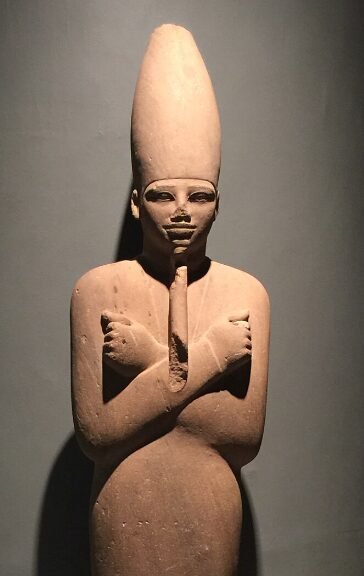
While many aspects of his life and rule remain uncertain, his contributions to the Eleventh Dynasty are undeniable, bridging the transition between his father’s achievements and the subsequent reign of his successor.
What dynasty and period did Sankhkare Mentuhotep III rule in?
He ruled during the Eleventh Dynasty of Egypt’s Middle Kingdom.
How long did Mentuhotep III reign, and who was his predecessor?
He reigned for about 12 years, succeeding his father, Mentuhotep II.

Relief depicts Mentuhotep II before Montu at Deir el-Bahri, London exhibit.
What was the significance of Mentuhotep III’s expedition to Punt?
It marked the first expedition to Punt since the Old Kingdom, involving 3,000 men and yielding incense, gum, and perfumes, vital for trade and religious rituals.
What role did Henenu play in Mentuhotep III’s reign?
Henenu, a high-ranking steward, led the Punt expedition and oversaw the digging of wells and clearing of rebels along the route.
What were Mentuhotep III’s architectural contributions?
He expanded the temple of Montu at Medamud and built a mudbrick temple at Thoth Hill, dedicated to Montu-Ra.
Where was Mentuhotep III’s funerary monument believed to be?
It was initially thought to be near Deir el-Bahari, but recent research suggests it might belong to Amenemhat I, leaving his burial site unknown.
What was the significance of Mentuhotep III’s titulary?
His praenomen, Sankhkare, symbolized “embellishing the Soul of Re,” reflecting continuity and alignment with his father’s titles.
Who were Mentuhotep III’s possible family members?
He was the son of Mentuhotep II and likely Queen Tem. His successor, Mentuhotep IV, may have been his son, with Queen Imi as the mother, though this remains debated.

Mentuhotep IV depicted with the ancient Egyptian god Min
READ MORE: List of Egyptian Gods and Goddesses





