Most Famous Baroque Painters and their Masterpieces
The Baroque era, spanning from the late 16th century to the early 18th century, was a period of dynamic, expressive, and dramatic art. Baroque painters were known for their mastery of light and shadow, rich color palettes, and intense realism. Their works often carried emotional depth, addressing themes of faith, power, and human experience. Here is a look at ten of the most renowned Baroque painters and their masterpieces that continue to inspire admiration today.
Caravaggio (1571–1610)
Caravaggio is considered the father of Baroque painting. His innovative use of chiaroscuro (the contrast between light and dark) brought drama and intensity to his works, influencing countless artists.
Masterpiece: The Calling of Saint Matthew (1599–1600)
Located in the Contarelli Chapel in Rome, this painting captures the moment when Christ calls Matthew to follow him. Caravaggio’s use of naturalistic figures and dramatic lighting focuses attention on the intense expression of Matthew and the divine presence of Christ, illustrating his revolutionary style.

Caravaggio’s works are celebrated for their profound influence on Baroque painting.
Peter Paul Rubens (1577–1640)
A Flemish Baroque painter, Rubens was known for his energetic compositions and vibrant use of color. His paintings often depict dynamic, muscular figures and grand themes from mythology, religion, and history.
Masterpiece: The Descent from the Cross (1612–1614)
This altarpiece, located in the Cathedral of Our Lady in Antwerp, captures the powerful moment of Christ being taken down from the cross. Rubens’ dynamic composition and lush color palette emphasize the emotional weight of the scene, making it a quintessential example of Baroque storytelling.

Image: A self-portrait of Rubens.
Rembrandt van Rijn (1606–1669)
Rembrandt, a Dutch Baroque master, was known for his detailed portraits and use of chiaroscuro. His ability to capture human emotion and character made him one of the most celebrated portraitists in history.
Masterpiece: The Night Watch (1642)
This famous painting, located in the Rijksmuseum in Amsterdam, depicts a group of Amsterdam militia members preparing for action. Rembrandt’s complex use of light and shadow, along with his skillful arrangement of figures, creates a lively, almost cinematic composition that captures the viewer’s attention.
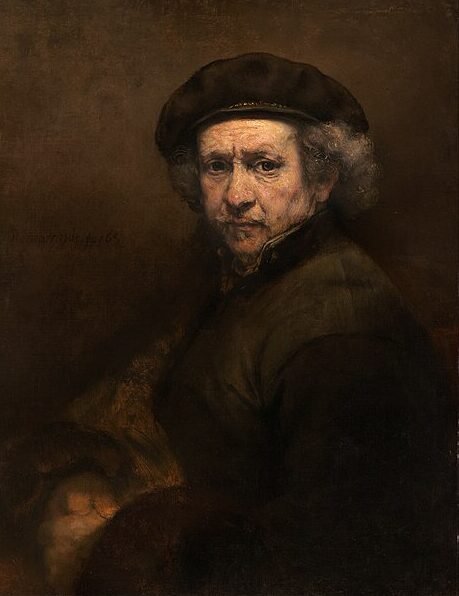
Image: Rembrandt
Diego Velázquez (1599–1660)
A Spanish Baroque painter, Velázquez is known for his realistic portraits, particularly of the Spanish royal family. His brushwork, which became looser and more expressive over time, influenced later artists like Manet and the Impressionists.
Masterpiece: Las Meninas (1656)
Considered one of the greatest paintings in Western art, Las Meninas, located in the Museo del Prado in Madrid, presents an intricate scene featuring the young Infanta Margarita with her attendants, including Velázquez himself. The complex composition and skillful perspective make this painting a profound study of reality and perception.

Image: Diego Velázquez
Nicolas Poussin (1594–1665)
Poussin, a French Baroque painter, was known for his intellectual approach to art. His work often reflected classical themes and emphasized order, balance, and clarity, marking a distinct style within the Baroque era.
Masterpiece: The Rape of the Sabine Women (1637–1638)
This painting, housed in the Louvre, depicts the ancient Roman myth of the abduction of the Sabine women. Poussin’s meticulous composition, use of classical elements, and dramatic poses exemplify his dedication to structured storytelling and classical themes.

Johannes Vermeer (1632–1675)
Vermeer, a Dutch Baroque painter, is celebrated for his intimate domestic scenes and masterful use of light. His paintings often capture quiet moments of everyday life, reflecting a poetic realism.
Masterpiece: Girl with a Pearl Earring (1665)
This iconic painting, housed in the Mauritshuis in The Hague, is known as the “Mona Lisa of the North.” The girl’s enigmatic expression and the subtle play of light on her face and pearl earring showcase Vermeer’s skill in creating atmospheric, lifelike portraits.
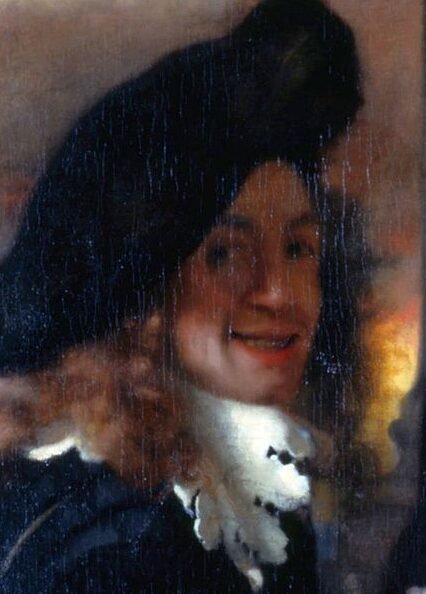
Image: Johannes Vermeer.
Artemisia Gentileschi (1593–1656)
One of the few prominent female artists of the Baroque period, Gentileschi is known for her powerful portrayals of women, often drawn from biblical or mythological themes. Her work is marked by intense emotion and realism.
Masterpiece: Judith Slaying Holofernes (1614–1620)
In this dramatic painting, housed in the Uffizi Gallery in Florence, Gentileschi depicts the biblical heroine Judith in the act of beheading Holofernes. Her use of chiaroscuro and the intensity of Judith’s expression make the painting both vivid and emotionally charged.
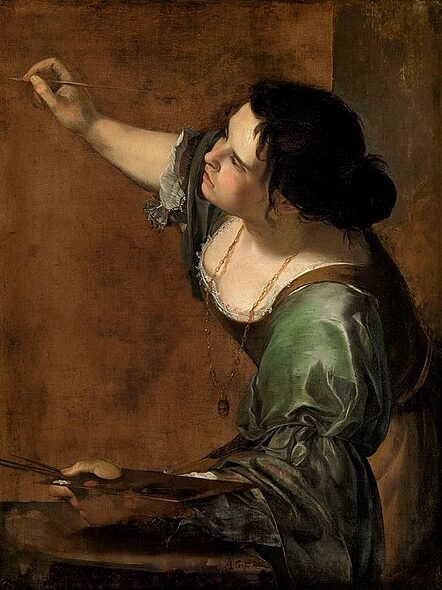
Image: Artemisia Gentileschi
Bartolomé Esteban Murillo (1617–1682)
Murillo, a Spanish Baroque painter, is best known for his religious scenes and tender depictions of children. His soft, luminous style conveys a sense of warmth and spirituality.
Masterpiece: The Immaculate Conception (1678)
This painting, found in the Museo del Prado, portrays the Virgin Mary surrounded by angels in a heavenly glow. Murillo’s use of light and delicate colors exemplifies his gentle approach to religious themes, capturing the purity and grace of the Virgin.

Image: Bartolomé Esteban Murillo
Giovanni Battista Tiepolo (1696–1770)
Tiepolo was an Italian painter known for his large-scale frescoes filled with vibrant colors and dramatic figures. His work bridged the Baroque and Rococo periods, known for its sense of lightness and grandeur.
Masterpiece: The Apotheosis of the Pisani Family (1761–1762)
This ceiling fresco, located in the Villa Pisani in Stra, Italy, depicts the family being lifted to divine status. Tiepolo’s vibrant colors, playful compositions, and skillful use of illusion make this work a remarkable example of Baroque exuberance.

Image: Giovanni Battista Tiepolo
Georges de La Tour (1593–1652)
A French Baroque painter, La Tour is recognized for his candle-lit scenes and mastery of light and shadow. His works often reflect quiet moments, capturing a contemplative and mystical quality.
Masterpiece: Magdalene with the Smoking Flame (1640)
This painting, housed in the Los Angeles County Museum of Art, depicts Mary Magdalene in meditation beside a candle. The play of light and shadow emphasizes the mood of introspection, making this work a timeless meditation on faith and redemption.
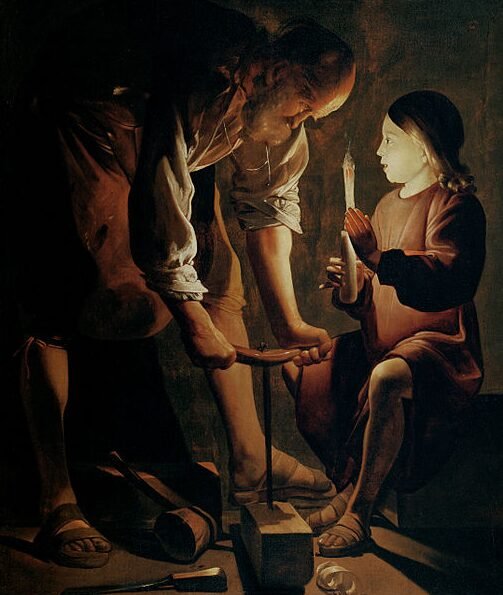
Image: “Joseph the Carpenter” a 1642 painting by Georges de La Tour.





