Life and Political Career of Henry Vane the Younger
Sir Henry Vane the Younger, also known as Harry Vane, was a significant political and religious figure in both England and the American colonies in the 17th century. Born into an influential family, Vane became a fervent advocate for religious tolerance, civil liberties, and constitutional governance. His life was marked by his commitment to his beliefs, even in the face of opposition, and his story is one of complex alliances, political battles, and enduring influence on future democratic ideals.

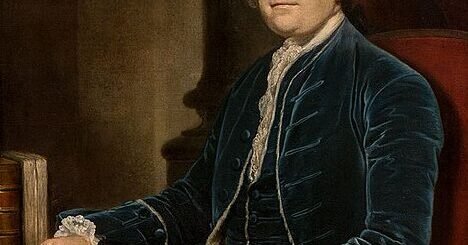
Sir Henry Vane the Younger, also known as Harry Vane, was an influential English statesman, known for his advocacy of religious tolerance and civil liberties. Image: Portrait of Henry by Dutch painter Sir Peter Lely.
Early Life and Puritan Beliefs
Born in 1613 to Sir Henry Vane the Elder, a prominent English government official, and Frances Darcy, Vane grew up in a family closely connected to the English court. Though his father held high-ranking positions under King Charles I, the younger Vane adopted religious views that led him in a different direction. He was drawn to the Puritan faith, a movement within the Church of England that opposed certain religious practices and emphasized a direct, personal relationship with God, stripped of ritual and ceremonial hierarchy. His Puritan leanings conflicted with the established Anglican Church, and his dissatisfaction with the lack of religious reform in England set him on a path of political and religious dissent.
Emigration to Massachusetts Bay Colony and Governorship
In 1635, at the age of 22, Vane left England to join the Massachusetts Bay Colony, a Puritan settlement in North America. Here, he quickly rose to prominence, demonstrating leadership qualities and a dedication to religious principles that resonated with the colonists. Just a year after his arrival, Vane was elected governor of the colony, a position that showed both his standing in the community and his commitment to Puritan ideals. As governor, Vane faced a challenging political climate, as Massachusetts was striving to create a community based on strict religious adherence, where all members were expected to conform to Puritan beliefs.
However, Vane’s advocacy for religious tolerance led him into conflict with the colony’s leadership. He defended Anne Hutchinson, a religious dissenter who held gatherings in her home and challenged the orthodox beliefs of the colony’s ministers. Hutchinson’s teachings were based on the idea that salvation came through a covenant of grace rather than one of works—a viewpoint that resonated with Vane but was controversial in Massachusetts. By supporting Hutchinson’s right to hold these meetings, Vane clashed with figures like John Winthrop, a leading Puritan and former governor who championed stricter religious conformity. This dispute led to political and religious tensions within the colony, and after a single term as governor, Vane lost his position in 1637 and returned to England. Following his departure, Hutchinson was put on trial, convicted of heresy, and banished from the colony.
Role in the English Civil War and Alliance with Oliver Cromwell
Upon returning to England, Vane became increasingly involved in the growing political conflicts between Parliament and King Charles I. The tension between the monarchy and Parliament had reached a breaking point, and Vane’s Puritan beliefs aligned him with the Parliamentary cause. Vane played a crucial role in the political landscape, particularly in his opposition to Charles I’s attempts to rule without Parliament, which led to the English Civil War.
As a member of the Long Parliament, Vane emerged as a skilled negotiator and strategist, gaining respect as a staunch defender of parliamentary authority and advocate for reform. His role in Parliament earned him a prominent place within the Parliamentary faction, and he became an ally of Oliver Cromwell, one of the most influential figures in the Parliamentary cause. Together, they fought to limit the power of the monarchy and to reshape the English government.
Although Vane was initially supportive of Cromwell’s leadership, their relationship deteriorated over time due to differing political views. Vane’s commitment to parliamentary governance and his opposition to authoritarianism put him at odds with Cromwell, who dismissed Parliament in 1653 and assumed a more centralized role as Lord Protector. Vane viewed this as a betrayal of the ideals for which they had fought, and he subsequently withdrew from political life for a period.
The Commonwealth Period and Advocacy for Government Reform
Following Cromwell’s death in 1658, England entered a brief period of instability known as the Commonwealth, during which Vane returned to the political scene. He advocated for a constitutional government that would enshrine civil liberties and prevent any one individual from holding absolute power. His vision included a separation of powers and a system of checks and balances, which were revolutionary ideas at the time and would later influence democratic systems.
During the Commonwealth, Vane was an active proponent of a written constitution that would clearly outline the powers of the government and the rights of the people. He saw this as essential to ensuring that the government remained accountable to the citizens and that abuses of power could be prevented. His most notable work from this period, A Healing Question, presented a framework for a constitution and emphasized the need for tolerance, fair representation, and transparent governance.
Opposition to the Restoration of the Monarchy and Imprisonment
When the monarchy was restored in 1660 with the ascension of King Charles II, Vane became a target of suspicion due to his steadfast support for the Commonwealth and his opposition to authoritarian rule. Despite Charles II’s initial promise of clemency to former Commonwealth supporters, Vane’s reputation as a vocal advocate for reform and his criticism of monarchical rule put him in a vulnerable position. He was arrested and brought to trial for high treason in 1662.
Vane’s trial was marked by a lack of due process, as he was denied legal counsel and given limited time to prepare his defense. The outcome of the trial was largely predetermined, with the Royalist jury finding him guilty. Though Charles II had once offered clemency, he later rescinded this offer, and Vane was sentenced to death. On June 14, 1662, he was executed by beheading on Tower Hill.
Legacy and Influence
Sir Henry Vane the Younger’s life and career are remembered for his unwavering commitment to religious tolerance, constitutional governance, and civil liberties. His political ideals, particularly his support for a representative government and his opposition to authoritarian rule, were ahead of his time. Vane’s writings, especially A Healing Question, explored the concept of a constitutional government long before the formation of modern democratic systems. His ideas about government reform and religious freedom were later reflected in the principles of the American Revolution and the development of the United States Constitution.
In the American colonies, Vane’s legacy was especially significant in Massachusetts and Rhode Island. His support for religious freedom in Massachusetts Bay, though controversial, inspired future leaders like Roger Williams, who founded Rhode Island as a haven for religious dissenters. Vane’s influence extended to both sides of the Atlantic, as his work contributed to the early foundation of religious tolerance in the colonies and the broader movement toward democracy and individual rights.
The New England Historical and Genealogical Society highlighted Vane’s importance in 1848, placing him on par with Roger Williams as a pioneer in promoting religious and political liberty. Vane’s sacrifice for his beliefs and his advocacy for a more just and equitable society made him a revered figure in colonial history, and his vision for governance resonates with modern democratic ideals.
Conclusion
Sir Henry Vane the Younger lived during one of the most tumultuous periods in English and colonial history, a time marked by civil war, shifting political allegiances, and religious strife. Through it all, he remained committed to his principles, even at the cost of his life. His contributions to the development of religious tolerance, his advocacy for parliamentary sovereignty, and his early ideas on constitutional governance have left a lasting legacy. Vane’s life illustrates the enduring impact of those who challenge the status quo in pursuit of a more just society, and his legacy continues to inspire those who value freedom and democratic governance.
Frequently Asked Questions

What set Henry Vane on a path of religious and political dissent?
Vane developed strong Puritan beliefs that influenced his dissent from the mainstream political and religious views of his time. His commitment to religious tolerance often put him at odds with established authorities, both in England and in the colonies.
What role did Vane play in the Massachusetts Bay Colony?
In 1635, Vane traveled to the Massachusetts Bay Colony, where he became governor at a young age. As governor, he promoted religious tolerance and defended Anne Hutchinson’s right to hold religious discussions, putting him in conflict with the Puritan leaders who favored strict religious conformity.
What was the outcome of Vane’s support for Anne Hutchinson?
Vane’s support of Hutchinson’s religious freedom put him at odds with the colony’s leadership. When Vane lost re-election, he returned to England, and Hutchinson was subsequently banished from the Massachusetts Bay Colony.
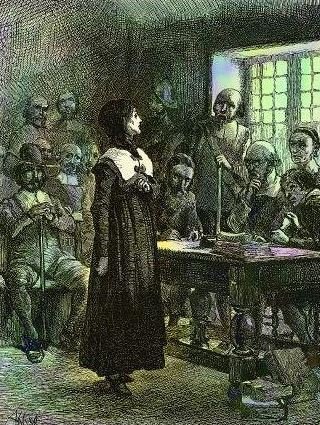
Image: An illustration of Anne Hutchinson’s trial by American artist Edwin Austin Abbey.
What was Vane’s role in the English Civil War?
Vane became a prominent Parliamentarian leader during the English Civil War, working closely with Oliver Cromwell. However, Vane later distanced himself from Cromwell due to differences in governance style, particularly Cromwell’s dissolution of Parliament in 1653.
Why did Vane fall out of favor with Oliver Cromwell?
Vane was a strong proponent of parliamentary governance and disagreed with Cromwell’s authoritarian actions, particularly the dissolution of Parliament in 1653. This led Vane to withdraw from power for a time and align himself with the push for government reform.
What happened to Vane after King Charles II was restored to the throne?
After the monarchy was restored, Vane’s commitment to civil liberties and outspoken views made him a target. Although he was initially promised clemency, he was eventually excluded from the general amnesty and was arrested, convicted of high treason, and executed in 1662.
How was Vane’s trial conducted, and what was the outcome?
Vane’s trial was marked by procedural unfairness, as he was denied proper counsel and time to prepare his defense. He was ultimately convicted of high treason by a Royalist jury and executed by beheading on June 14, 1662.
What is Vane’s legacy in terms of religious and civil liberties?
Vane is remembered for his commitment to religious tolerance and civil liberties. His political actions and writings, including A Healing Question, reflected his vision for a government that protected individual freedoms, foreshadowing later democratic principles.
What impact did Vane have on American colonies, particularly Massachusetts and Rhode Island?
In Massachusetts and Rhode Island, Vane is celebrated as an early advocate for freedom and religious tolerance. His influence was recognized by the New England Historical and Genealogical Society, which compared his contributions to those of Roger Williams, a prominent religious reformer in Rhode Island.
What was Vane’s contribution to political philosophy, and how does it relate to American history?
Vane’s writings, including A Healing Question, advocated for a constitutional convention to safeguard civil liberties. This idea, proposed over a century before the American Constitutional Convention, highlights his forward-thinking approach to governance and individual rights.