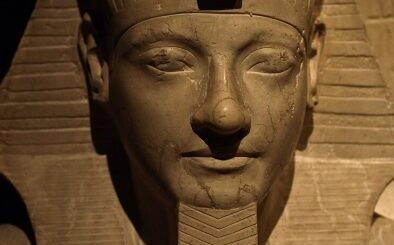
Mutnedjmet: Great Royal Wife of Pharaoh Horemheb
Mutnedjmet, also spelled Mutnodjmet or Mutnedjemet, was a significant figure in ancient Egypt, serving as the Great Royal Wife of Pharaoh Horemheb, a ruler of the 18th Dynasty. Her life, family ties, and historical significance continue to intrigue scholars and enthusiasts of Egyptian history.
Name and Meaning
The name Mutnedjmet translates to “The sweet Mut” or “Mut is sweet,” signifying her connection to the goddess Mut. This poetic name reflects her esteemed position and grace, which resonated with her roles in royal and religious life.

Image: Statue of Mutnedjmet.
Marriage to Horemheb
Mutnedjmet became the second wife of Horemheb after his first wife, Amenia, passed away. Their marriage occurred before Horemheb ascended to the throne, and she supported him during his rise to power and reign. As queen, she played a critical role in legitimizing Horemheb’s rule and connecting him to Egypt’s divine and royal traditions.
Royal Titles
Mutnedjmet held many prestigious titles that highlighted her significance in the royal court and religious rituals:
- Hereditary Princess (jryt-pʿt): Demonstrated her noble lineage.
- Great King’s Wife (ḥmt-nswt-wrt): Marked her position as the chief consort of the pharaoh.
- Lady of Charm and Sweet of Love: Titles reflecting her beauty and affection.
- Mistress of Upper and Lower Egypt: Indicated her symbolic authority over the entire kingdom.
- Songstress of Hathor and Amun: Showed her active role in worship and temple rituals.
These titles underscore her importance in both the political and religious spheres of ancient Egypt.
Debate Over Family Ties
There is scholarly debate regarding Mutnedjmet’s family background. Some Egyptologists suggest she was the sister of Queen Nefertiti, known as Mutbenret or Mutnodjmet. The similarity of their names supports this theory, but conclusive evidence remains elusive.
If Mutnedjmet was indeed Nefertiti’s sister, she might have been a daughter of Ay, Horemheb’s predecessor, linking Horemheb to the royal family. This connection could have bolstered Horemheb’s claim to the throne during a time of political instability. However, other scholars argue that her lack of royal blood would have limited her political influence.
Role in the 18th Dynasty
Mutnedjmet’s life was intertwined with the end of the 18th Dynasty. Horemheb, her husband, rose to power after a period of turmoil following Akhenaten’s religious revolution. As queen, she symbolized stability and continuity, bridging the tumultuous Amarna Period and the transition to the 19th Dynasty.
Depictions and Monuments
Mutnedjmet is represented in several monuments and inscriptions that highlight her royal and religious roles:
- Double Statue with Horemheb: Found in Karnak and now housed in the Museo Egizio in Turin, this statue shows Mutnedjmet as a winged sphinx, symbolizing her divine attributes.
- Tomb of Roy (TT255): Depicts Mutnedjmet and Horemheb in an offering scene, showcasing her role in rituals.
- Colossal Statues in Karnak: Originally created for Horemheb and Mutnedjmet, these statues were later re-inscribed for Ramesses II and Nefertari.
- Saqqara Tomb Artifacts: Fragments of alabaster items and funerary texts with her name were discovered in Horemheb’s tomb at Saqqara, indicating her association with the pharaoh.
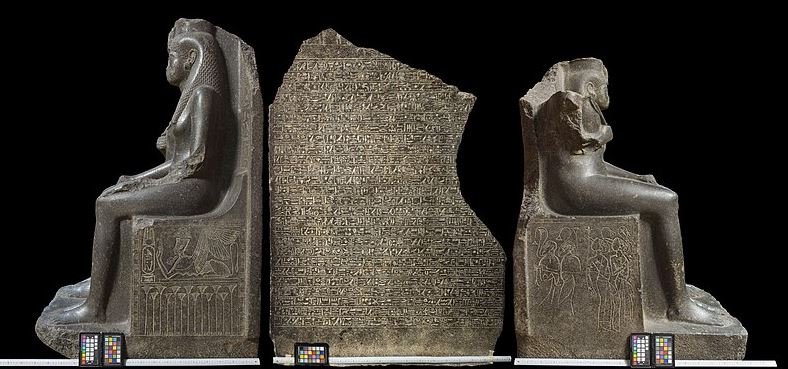
Image: Side view of the double statue of Horemheb and Mutnedjemet.
These depictions reflect her prominence in royal and religious life, as well as her close connection to Horemheb.
Death and Burial
Mutnedjmet died shortly after the 13th year of Horemheb’s reign, likely in her mid-40s. Her death is believed to have occurred during childbirth, as her mummy was found alongside that of a stillborn infant in Horemheb’s Memphite tomb. This discovery highlights the challenges of childbirth even for queens in ancient Egypt.
Her remains reveal that she had given birth multiple times, but none of her children survived to succeed Horemheb. Some speculate she may have had a daughter who was not recorded in inscriptions. A canopic jar bearing her name, now in the British Museum, further confirms her royal burial.
Historical Significance
Mutnedjmet’s life and death underscore her importance in stabilizing the royal lineage during a period of political transition. Her connection to Horemheb helped legitimize his reign and bridge the 18th and 19th Dynasties. Whether through her religious roles or symbolic titles, she left an enduring mark on ancient Egyptian history.
Did you know…?
Mutnedjmet has inspired artists and writers over the centuries. South African artist Winifred Brunton painted her portrait in the 1920s, capturing her imagined grace and beauty. Additionally, she is the protagonist in Michelle Moran’s novel Nefertiti: A Novel, where she is portrayed as Nefertiti’s younger sister, further cementing her place in historical fiction.
Frequently Asked Questions
What were Mutnedjmet’s main titles?
Her titles included “Hereditary Princess,” “Great King’s Wife,” “Great of Praises,” “Lady of Charm,” “Sweet of Love,” “Mistress of Upper and Lower Egypt,” and “Songstress of Hathor and Amun,” highlighting her nobility, religious roles, and authority.
What was her connection to Horemheb?
Mutnedjmet was Horemheb’s second wife, marrying him after his first wife, Amenia, passed away. She became queen after he ascended the throne.

Image: Statue of Horemheb.
Is Mutnedjmet believed to be Nefertiti’s sister?
Scholars debate whether Mutnedjmet was the same person as Nefertiti’s sister, Mutbenret/Mutnodjmet. The similarity in their names supports this theory, but no definitive evidence confirms their identity.
What was Mutnedjmet’s potential link to Pharaoh Ay?
It is possible that Mutnedjmet and Nefertiti were daughters of Ay, Horemheb’s predecessor, potentially linking Horemheb to the royal family.

Image: Bust of Nefertiti.
What monuments or artifacts depict Mutnedjmet?
She is depicted in a double statue with Horemheb from Karnak, a tomb scene in the Tomb of Roy (TT255), colossal statues in Karnak, and Saqqara tomb artifacts. These include statues, alabaster items, and funerary texts.
How did Mutnedjmet die?
Mutnedjmet likely died in childbirth shortly after Horemheb’s 13th regnal year, as her mummy was found with a stillborn infant in Horemheb’s Memphite tomb.
What artifacts are associated with her burial?
A canopic jar bearing her name is now in the British Museum. Earlier, her burial location was misidentified as Tomb QV33, but this was corrected due to cartouche misreadings.
Did Mutnedjmet have any children?
Her remains suggest she had given birth multiple times, but no living heir of Horemheb was recorded. Some speculate she may have had a daughter not mentioned in inscriptions.
How is Mutnedjmet remembered in popular culture?
She inspired a portrait by Winifred Brunton in the 1920s and is the protagonist in Michelle Moran’s novel Nefertiti: A Novel, portrayed as Nefertiti’s younger sister.