The Betsy Ross House: A Historical Landmark in Philadelphia
The Betsy Ross House stands as one of Philadelphia’s most recognized landmarks, often associated with the legend of Betsy Ross sewing the first American flag. Located on Arch Street, the...

The Betsy Ross House stands as one of Philadelphia’s most recognized landmarks, often associated with the legend of Betsy Ross sewing the first American flag. Located on Arch Street, the...
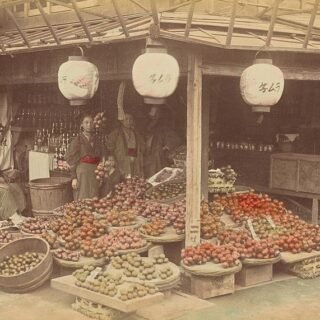
Food and agriculture played a crucial role in ancient Japan, shaping the country’s economy, society, and cultural traditions. The reliance on agriculture, particularly rice cultivation, influenced the development of early...

The Battle of Pelusium, fought in 525 BCE, was a pivotal clash between the Achaemenid Persian Empire, led by King Cambyses II, and Egypt, ruled by Pharaoh Psamtik III. This battle marked the beginning of...
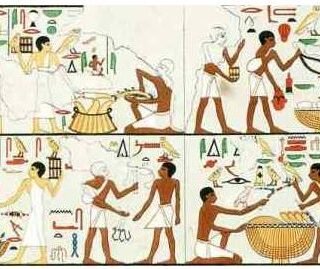
Trade played a crucial role in the economic and cultural development of ancient Egypt. As a civilization dependent on agriculture, Egypt needed to exchange goods with neighboring regions to obtain...
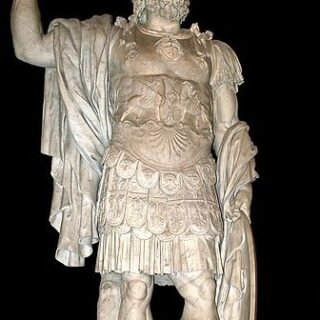
The ver sacrum (“sacred spring”) was a religious practice among ancient Italic peoples, particularly the Sabines and their offshoots, such as the Samnites. It involved dedicating all offspring—both human and...
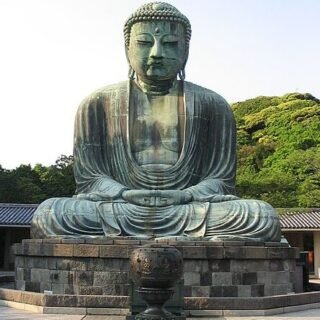
Buddhism arrived in Japan in the mid-6th century CE, profoundly influencing the nation’s spiritual, political, and cultural development. Its introduction marked a turning point, setting the stage for Japan’s transformation...

Vulci was a prominent and wealthy Etruscan city located in present-day northern Lazio, central Italy. This influential city thrived as a center of art, trade, and political power, leaving behind...

Jupiter, also known as Jove, was the supreme deity in ancient Roman religion and mythology. He was the god of the sky and thunder and served as the king of the...

Betsy Ross was an American upholsterer credited by family tradition with making the first U.S. flag, though historians dispute this claim. Early Life and Education Elizabeth Griscom Ross, widely known...

Plautus was a Roman playwright of the Old Latin period (c. 254–184 BC), known for adapting Greek comedies into Latin and influencing later theatrical traditions. Summary Titus Maccius Plautus remains...

A plague doctor was a physician who treated victims of bubonic plague during epidemics in 17th-century Europe. These physicians were typically hired by municipalities to provide medical care to infected...
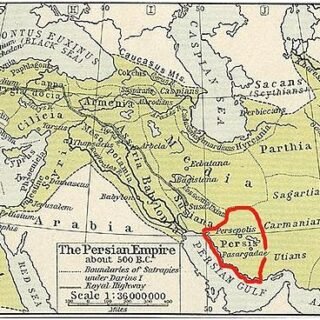
The Kings of Persis, also known as the Darayanids, ruled the region of Persis (modern-day Fars) in southwestern Iran from the late 2nd century BCE to the early 3rd century...

John Lloyd Stephens was an American explorer, writer, and diplomat known for rediscovering Maya civilization and playing a key role in the Panama Railroad project. Early Life John Lloyd Stephens...

Romulus Augustulus was the last emperor of the Western Roman Empire, ruling from 31 October 475 until 4 September 476. He was placed on the throne by his father, Orestes,...
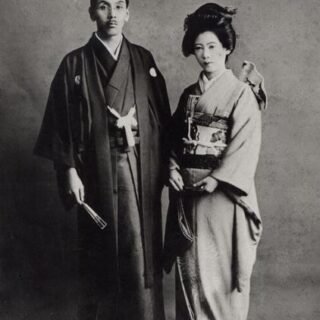
A kimono is a traditional Japanese garment characterized by a T-shaped, wrapped-front design with square sleeves and a rectangular body. It is worn left over right, except for deceased individuals....





