The Second Siege of the Acropolis (1826–1827) was a pivotal event during the Greek War of Independence. It marked the Ottoman Empire’s effort to reclaim Athens, one of the last remaining Greek strongholds in Central Greece. Spanning nearly nine months, the siege demonstrated Greek resilience and underscored the broader struggles of the Greek independence movement.
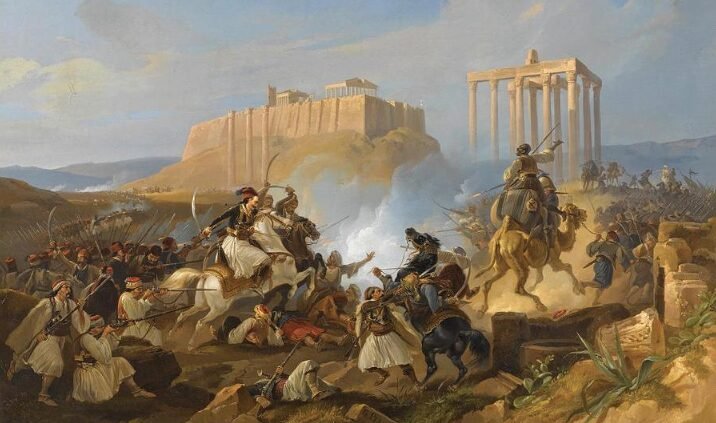
The Second Siege of the Acropolis (1826–1827) was an Ottoman campaign to capture Athens, the Greek rebels’ last stronghold in Central Greece during their War of Independence. Image: Siege of the Acropolis by Georg Perlberg
READ MORE: 10 Greatest Ottoman Sultans and their Accomplishments
Historical Context
By 1826, the Greek War of Independence had reached a critical phase. The fall of Missolonghi earlier that year left Athens and its iconic Acropolis as the final bastions of Greek resistance in mainland Greece outside the Peloponnese. Ottoman commander Reşid Mehmed Pasha, emboldened by his success at Missolonghi, turned his attention to Athens. The siege began on August 25, 1826, initiating a prolonged campaign aimed at consolidating Ottoman control in Central Greece.

Reşid Mehmed Pasha, known as Kütahı, was an Ottoman general and statesman who served as Grand Vizier and played a significant role in suppressing the Greek War of Independence. Image: Potrait of Reşid Mehmed pasha Kütahı by Giovanni Boggi.
The Siege: Strategy and Tactics
The Ottomans employed tactics similar to those used at Missolonghi, establishing a close blockade of the Acropolis and bombarding its defenders. Reşid Mehmed Pasha aimed to weaken the garrison through isolation, relentless artillery fire, and a steady depletion of their supplies.
Despite being outnumbered and under constant pressure, the Greek defenders showcased remarkable ingenuity and determination. Under the leadership of experienced commanders like Konstantinos Chormivitis, they relied on mining, night sorties, and guerrilla tactics to harass the Ottoman forces. These strategies disrupted the besiegers’ plans and prolonged the defense of the Acropolis.
Role of the Main Greek Army
The main Greek army, led initially by Georgios Karaiskakis, stationed itself strategically around Eleusis, Piraeus, and Phaleron to support the Acropolis defenders. Their objectives included resupplying the garrison and launching attacks on Ottoman supply lines and rear positions. Notable successes included the Battle of Arachova in November 1826, which disrupted Ottoman logistics and boosted Greek morale.
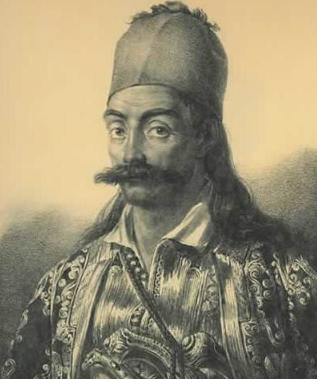
Georgios Karaiskakis (1782–1827) was a Greek military leader and key figure in the Greek War of Independence.
However, this strategy shifted as the siege progressed. The Greeks increasingly focused on direct assaults against Ottoman forces, culminating in the Battle of Kamatero in February 1827. This shift proved costly, as the Greek forces suffered a defeat that weakened their ability to relieve the Acropolis.
Leadership and Strategic Shifts
In April 1827, the command of the Greek forces transferred from Karaiskakis to British general Richard Church. This change reflected efforts to secure European support for the Greek cause. However, the new leadership brought strategic adjustments that failed to turn the tide. The Ottoman victory at the Battle of Phaleron (Analatos) on April 24, 1827, dealt a decisive blow to the Greek forces and ended any hopes of relief for the Acropolis garrison.
The Fall of the Acropolis
After enduring months of bombardment, dwindling supplies, and mounting casualties, the Greek defenders were left with no choice but to surrender. In May 1827, the Acropolis garrison capitulated, marking the end of the siege. The fall of Athens was a significant setback for the Greek revolutionaries, as it underscored the challenges they faced in Central Greece.
Aftermath and Broader Significance
While the siege ended in an Ottoman victory, it did not mark the end of the Greek War of Independence. The resilience displayed by the Greek defenders inspired continued efforts and demonstrated the necessity of external support in achieving independence.
The Second Siege of the Acropolis (1826–1827) was an Ottoman campaign to recapture Athens, one of the last Greek strongholds in Central Greece during the Greek War of Independence.
The siege highlighted the importance of international involvement in the Greek struggle. Later that year, the Battle of Navarino, a decisive intervention by European powers, shifted the balance in favor of the Greeks. This support ultimately led to the establishment of an independent Greek state in 1830.
Legacy
The Second Siege of the Acropolis is remembered not only as a military engagement but also as a symbol of the challenges and sacrifices involved in the pursuit of independence. The events of the siege reflect the broader themes of resilience, strategic adaptation, and the critical role of external alliances in the Greek War of Independence.
What is the Acropolis of Athens? – History & Major Facts





