Third siege of Missolonghi (1825 -1826)
The Third Siege of Missolonghi was a pivotal event in the Greek War of Independence. Lasting from April 1825 to April 1826, it marked a tragic yet influential chapter in Greece’s fight for liberation from Ottoman rule. Despite ending in disaster for the defenders, the siege galvanized European support and became a symbol of sacrifice, contributing to Greece’s eventual independence.

The sortie of Missologhi by Greek painter Theodore Vryzakis
Background of Missolonghi
Missolonghi, located in western Greece, was strategically significant due to its position near the Ionian Islands and Peloponnese. Protected by a lagoon and marshlands, it served as a natural fortress.
The city was among the first to join the Greek uprising in 1821, playing a vital role in revolutionary efforts. It successfully resisted two previous Ottoman sieges in 1822 and 1823, bolstering its reputation as a resilient stronghold.
The Ottoman Campaign
Determined to retake Missolonghi, Sultan Mahmud II dispatched Reşid Mehmed Pasha with over 19,500 troops in 1825. The Sultan issued a clear ultimatum to Reşid: capture the city or face execution. In January 1826, Ibrahim Pasha of Egypt reinforced the siege with 10,000 men and heavy artillery, further tightening the noose around the city.
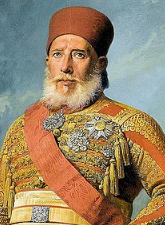
Portrait Ibrahim Pasha of Egypt by French painter Charles-Philippe Larivière c. 1846
READ MORE: 10 Greatest Ottoman Sultans and their Accomplishments
Greek Defensive Efforts
The city was defended by 3,000 fighters, including Greek revolutionaries and European philhellenes, under the leadership of figures like Notis Botsaris. Military engineer Michael Kokkinis strengthened Missolonghi’s defenses by building bastions named after famous freedom fighters such as Lord Byron and Tadeusz Kościuszko.
Despite limited resources, the defenders employed innovative tactics like countermining and night raids to hold off the larger Ottoman-Egyptian force.
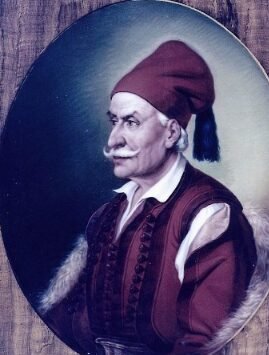
Notis Botsaris (1756–1841) was a Souliote general in the Greek Revolution of 1821 and leader of the Botsaris clan.
Life Under Siege
Missolonghi’s population, including women and children, endured immense hardships. Supplies dwindled as the Ottomans captured key islands in the surrounding lagoon, cutting off sea access. Hunger and disease ravaged the city, forcing people to eat animals, seaweed, and anything else they could find.
The population displayed remarkable resilience, working together to repair breaches in the walls and repelling multiple Ottoman assaults.
The Final Breakout
By April 1826, the defenders faced starvation and had no hope of relief. A desperate plan was devised: a mass breakout to save as many lives as possible. On the night of April 10, around 7,000 people, including soldiers, women, and children, attempted to escape.
The Ottomans, forewarned of the plan, ambushed the escapees. Chaos ensued, with many killed or captured. Only about 1,000 managed to survive, while the rest were either slaughtered or enslaved. Those too weak to escape chose martyrdom, blowing themselves up with gunpowder rather than surrender.
Aftermath of the Siege
The fall of Missolonghi was catastrophic for the Greeks. Thousands were killed, enslaved, or left homeless. The city was left in ruins, with the Ottomans displaying severed heads on its walls as a grim message to other revolutionaries.
Impact on European Opinion
Despite its tragic end, the siege of Missolonghi became a rallying cry for Greek independence. Reports of Ottoman atrocities stirred outrage across Europe, strengthening philhellenic movements. Prominent figures such as Victor Hugo and Eugène Delacroix immortalized the defenders’ sacrifice in poetry and art, further inspiring support for the Greek cause.
Catalyst for International Intervention
The siege played a crucial role in influencing Britain, France, and Russia to intervene in the Greek War of Independence. The Great Powers’ military involvement culminated in the decisive Battle of Navarino in 1827, which ensured Greek independence.
Legacy of Missolonghi
Today, Missolonghi is revered as a “sacred city” in Greece, symbolizing the ultimate sacrifice for freedom. Its story continues to inspire national pride and is commemorated through art, literature, and annual events.
Questions and Answers on the Third Siege of Missolonghi
Why was Missolonghi strategically important?
Missolonghi’s location near the Ionian Islands and Peloponnese, coupled with its natural defenses such as lagoons and marshlands, made it a critical bastion for the Greek revolutionary efforts.
How did the Ottomans prepare for the siege?
Sultan Mahmud II tasked Reşid Mehmed Pasha with leading almost 20,000 troops to encircle the city. Later, Ibrahim Pasha of Egypt joined with reinforcements, heavy artillery, and additional forces, making it a formidable campaign.

Ottoman Grand Vizier Reşid Mehmed Pasha
What defensive strategies did the Greeks use?
Under the guidance of military engineer Michael Kokkinis, the Greeks fortified the city with bastions and employed innovative tactics like countermining and night raids to repel Ottoman advances.
How did the Ottomans weaken the Greek resistance?
The Ottomans bombarded the city and cut off sea supply routes by capturing key islands in the lagoon, leading to starvation and severe suffering among the Greek defenders.
What was the result of the Greeks’ mass breakout attempt?
On April 10, 1826, around 7,000 Greeks attempted to escape the city, but Ottoman forces ambushed them. Only about 1,000 survived, while the rest were killed, trampled, or enslaved.
What were the immediate consequences of the siege?
Missolonghi fell to the Ottomans, who slaughtered or enslaved the surviving population. The city was left in ruins, with significant loss of life and destruction.
How did the siege influence European public opinion?
Reports of Ottoman atrocities stirred sympathy for the Greek cause across Europe. Artists, poets, and intellectuals, including Victor Hugo and Eugène Delacroix, highlighted the defenders’ sacrifice, increasing support for Greek independence.
What was the long-term significance of the siege?
The Third Siege of Missolonghi played a crucial role in prompting Britain, France, and Russia to intervene in the Greek War of Independence. Their support culminated in the Battle of Navarino (1827), which secured Greek independence. Today, Missolonghi is revered as a “sacred city” in Greek history.





