Spanish colonization of the Americas
The Spanish colonization of the Americas began in 1493 on the Caribbean Island of Hispaniola, following Christopher Columbus’s initial 1492 voyage under the sponsorship of Queen Isabella I of Castile. These overseas territories were under the jurisdiction of the Crown of Castile until the last Spanish possessions were lost in 1898. The Spanish saw the densely populated indigenous societies as sources of economic wealth and sought to extract resources while spreading Christianity through conversion. The Crown established civil and religious structures to administer these territories and oversaw a migration of Spanish settlers, particularly to regions rich in resources.
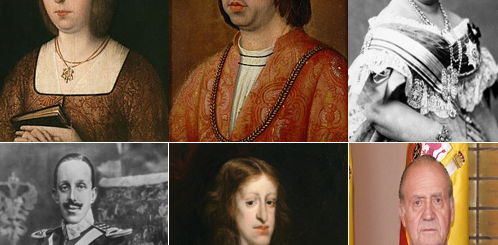
READ MORE: 10 Most Famous Spanish Monarchs and their Reigns
Expansion and Administration of the Spanish Empire
Spain claimed vast territories in the Caribbean, North, and South America, excluding Brazil, which was ceded to Portugal under the Treaty of Tordesillas. While Spain initially held dominion over these regions, other European powers such as England, France, and the Netherlands began to encroach, establishing their own colonies. During the colonial period, Spanish territories were not officially termed “colonies” until the late 18th century. Scholars debate the nature of Spanish colonization and its lasting effects on Latin America.

A crimson banner bearing the Crown of Castile, historically carried by Hernán Cortés, Francisco Pizarro, and other Spanish conquerors.
The Treaty of Tordesillas (1494) divided the newly discovered lands outside Europe between Spain and Portugal, granting Spain most of the Americas.
The Spanish Crown structured the administration of the empire to exert control over its vast territories. The viceroyalties of New Spain (Mexico) and Peru were established in the 16th century, followed by the Viceroyalties of New Granada (1717) and the Rio de la Plata (1776). The Council of the Indies regulated colonial affairs, and the Catholic Church played a key role in governance, missionary work, and social control.

Demographic and Social Impact
Spanish settlement in the Americas increased over the centuries, with an estimated 1.9 million Spaniards migrating between 1492 and 1832, and another 3.4 million after independence (1850–1950). Initially, Spanish settlements were concentrated in regions with high indigenous populations and abundant resources. However, the indigenous population suffered a dramatic decline, with an estimated 80% reduction in the first 150 years following Columbus’s voyages, primarily due to European diseases, forced labor, and disruptions in their societies.
The Spanish Crown attempted to protect indigenous people through laws regulating labor and conversion to Catholicism. However, exploitation persisted, leading to the importation of enslaved Africans to replace indigenous labor in the Caribbean and mining economies. Over time, a mixed-race casta system emerged, creating a complex social hierarchy.
Economic Exploitation and Labor Systems
The Spanish colonization was driven by the pursuit of wealth, notably gold and silver. Mining operations, particularly in Potosí (modern-day Bolivia) and Zacatecas (Mexico), were the backbone of the colonial economy. The mita system in Peru and encomienda system throughout Spanish America subjected indigenous peoples to forced labor under Spanish authorities. As indigenous populations declined, Spain increasingly relied on African slavery, especially in the Caribbean and sugar-producing regions.
Agriculture also played a crucial role, with Spanish estates (haciendas) producing crops for local consumption and export. Products such as sugar, cacao, and tobacco became lucrative exports. Trade was tightly controlled by the Spanish Crown through a system that prioritized Spanish merchants and restricted economic development in the colonies.
Religious Conversion and the Role of the Catholic Church
Religion was a major justification for Spanish expansion, with the Catholic Monarchs viewing conquest and conversion as interconnected missions. The Spanish Crown was granted control over the Catholic Church in the Americas (Patronato Real), giving it the authority to appoint clergy and oversee religious administration. Missionary orders, including the Franciscans, Dominicans, and Jesuits, worked to convert indigenous populations. The Church also established schools, hospitals, and universities, influencing colonial society profoundly.
However, forced conversion and suppression of indigenous religious practices led to resistance. Some indigenous groups adopted Christianity while retaining elements of their original beliefs. The Church also played a role in denouncing mistreatment of indigenous peoples, with figures like Bartolomé de las Casas advocating for their rights and leading to reforms like the New Laws of 1542, which attempted to limit the abuses of the encomienda system.
While the Spanish colonization of the Americas brought new technologies, institutions, and cultural exchanges, it also caused demographic collapse, social upheaval, and economic exploitation.
Resistance and Rebellion
Indigenous and African populations resisted Spanish rule through armed uprisings and passive resistance. Early resistance in the Caribbean was violently suppressed, but indigenous groups in Mesoamerica and the Andes posed greater challenges. The Mapuche of Chile successfully resisted Spanish rule for centuries, while the Pueblo Revolt of 1680 in New Mexico temporarily expelled the Spanish from the region. Slave revolts also occurred in Spanish territories, particularly in the Caribbean.

An illustration of the Taínos (Native inhabitants of the Caribbean region) resisting Spanish invaders in battle.
Decline of Spanish Rule and the Wars of Independence
By the late 18th century, the Spanish Empire faced economic and political challenges, including colonial dissatisfaction with restrictive trade policies and the burden of taxation. Enlightenment ideas and the success of the American and French Revolutions inspired independence movements in Latin America. The Napoleonic Wars weakened Spain’s control over its colonies, and from 1810 to 1825, a series of wars led to the independence of most Spanish American territories.
Simón Bolívar and José de San Martín were key figures in the liberation of South America, while Mexico gained independence in 1821. The Spanish Crown retained control over Cuba and Puerto Rico until 1898 when they were ceded to the United States following the Spanish-American War, marking the end of Spain’s colonial rule in the Americas.
Legacy of Spanish Colonization
The Spanish colonization of the Americas left a lasting impact on language, culture, religion, and governance. Spanish became the dominant language in most of Latin America, and Catholicism remains a major religious force. Colonial institutions shaped modern governance, while the racial and social hierarchies of the colonial period persisted into independent nations. The blending of European, indigenous, and African influences created unique cultural identities throughout Latin America.
Economic exploitation during colonization contributed to long-term inequalities, and the legacy of Spanish rule continues to be debated. Some view Spanish colonization as a period of cultural fusion and progress, while others highlight its destructive impact on indigenous civilizations and lasting socioeconomic disparities.
The Spanish legacy endures in language, law, and culture, influencing the modern nations that emerged from its former colonies.
Timeline of the Spanish Colonization of the Americas (1492–1898)
- 1492 – Christopher Columbus, under Spanish sponsorship, lands in the Caribbean, initiating Spanish exploration.
- 1493 – The first Spanish settlement is established on Hispaniola.
- 1494 – The Treaty of Tordesillas divides newly discovered lands between Spain and Portugal.
- 1519–1521 – Hernán Cortés leads the conquest of the Aztec Empire in Mexico.
- 1532–1572 – Francisco Pizarro and Spanish forces conquer the Inca Empire in Peru.
- 1542 – The New Laws are enacted to regulate the encomienda system and protect indigenous people.
- 1571 – The Spanish Inquisition is established in the Americas.
- 1580 – Spain and Portugal unite under one crown, expanding Spanish influence in South America.
- 1700s – Bourbon Reforms centralize governance and increase military presence.
- 1810–1825 – Spanish American wars of independence lead to the loss of most Spanish territories.
- 1898 – Spain loses its final American colonies (Cuba and Puerto Rico) after the Spanish-American War.

Portrait of Hernán Cortés.
Frequently Asked Questions
Who authorized the Spanish colonization of the Americas?
Queen Isabella I of Castile authorized Christopher Columbus’s 1492 voyage, leading to the Spanish colonization of the Americas.
How did the indigenous population decline after Spanish contact?
The indigenous population declined by approximately 80% due to diseases, forced labor, and social disruption following Spanish colonization.
What was the encomienda system?
The encomienda system granted Spanish settlers control over indigenous labor and tribute in exchange for converting them to Christianity.
Why did Spain import African slaves to the Americas?
As indigenous populations declined, Spain imported enslaved Africans to work in plantations, mines, and households.
What was the role of the Catholic Church in colonization?
The Church facilitated the conversion of indigenous peoples, established missions, and played a significant role in governance.
How did Hernán Cortés conquer the Aztec Empire?
Cortés allied with indigenous groups opposed to Aztec rule, captured Emperor Moctezuma II, and took Tenochtitlán in 1521.
What was Francisco Pizarro’s role in the Spanish conquest?
Pizarro led the conquest of the Inca Empire, capturing Emperor Atahualpa in 1532 and securing Spanish control over Peru.

A depiction of Pizarro seizing Atahualpa. ARtwork by English artist John Everett Millais.
How did the Spanish control their American territories?
Spain divided its empire into viceroyalties governed by viceroys, with audiencias acting as high courts.
What was the impact of Spanish silver mining?
Silver from Mexico and Peru fueled Spain’s economy, financed European wars, and stimulated global trade.
What were the Spanish missions?
Missions were religious and cultural institutions that aimed to convert and assimilate indigenous peoples into Spanish society.
How did the Spanish-American Wars of Independence begin?
Inspired by Enlightenment ideals and conflicts in Spain, revolutions erupted across Spanish America in the early 19th century.
What territories did Spain lose in the Spanish-American War (1898)?
Spain lost Cuba, Puerto Rico, and the Philippines to the United States, marking the end of its colonial rule in the Americas.
What was the role of mestizos in colonial society?
Mestizos (mixed indigenous and Spanish ancestry) formed a growing social class, often marginalized but essential in colonial economies.