The Roaring Twenties: Origin Story & Significance
The Roaring Twenties refers to the decade of the 1920s, a period of dramatic social, economic, and cultural change, primarily in the United States and Europe. This era followed the devastating World War I and was marked by widespread prosperity, technological advancements, cultural dynamism, and shifting social norms. The 1920s are often seen as a time of economic boom, exuberance, and optimism, but they also set the stage for the global economic collapse of the Great Depression in the 1930s.
To understand the Roaring Twenties, American historians at WHE explore the history, major events, and cultural shifts that defined the decade.

Economic Boom and Consumerism
The economic prosperity of the Roaring Twenties is perhaps its most well-known characteristic. In the aftermath of World War I, many Western countries, particularly the United States, experienced a period of rapid industrialization and economic growth.
WWI had ravaged Europe, leaving the U.S. as a global financial power. American industries flourished, mass production techniques revolutionized manufacturing, and consumer goods became more accessible to a broader portion of the population.
Technological Innovation
One of the driving forces behind the economic boom was technological innovation. Mass production, particularly through the use of assembly lines pioneered by Henry Ford, made products like automobiles, radios, and household appliances affordable to the middle class. The Model T, Ford’s most famous vehicle, became a symbol of American modernity and the mobility of the average citizen. By the mid-1920s, cars had fundamentally transformed American society, contributing to the growth of suburbs and reshaping urban infrastructure.
Other technological advancements included the widespread use of electricity, which powered homes and industries, and innovations in communication and entertainment. The radio became a crucial medium, bringing news, music, and entertainment into homes across the country, thus reshaping how people experienced the world. Silent films also became a major cultural force, with Hollywood emerging as the global center of the entertainment industry.

Image: Henry Ford (1863 – 1947)
Consumer Culture
The economic prosperity of the 1920s fueled a new consumer culture. Mass advertising, spurred by the rise of radio and print media, promoted a culture of consumption. People were encouraged to buy not only necessities but also new products that promised to make life easier or more glamorous.
Department stores expanded, and installment buying (credit) allowed consumers to purchase items like cars, refrigerators, and radios even if they didn’t have the full amount of money upfront. This era also saw the rise of celebrity culture, with movie stars, sports heroes, and public figures becoming icons in the media.
Prohibition and Organized Crime
One of the most defining features of the Roaring Twenties in the U.S. was Prohibition, a nationwide ban on the sale, production, and distribution of alcohol. The 18th Amendment, ratified in 1919 and enforced by the Volstead Act in 1920, made it illegal to produce or sell alcoholic beverages.
While the aim of Prohibition was to reduce crime, improve public health, and boost morality, it had the opposite effect in many ways. The law was widely ignored, and a black market for alcohol flourished. Illegal bars, known as speakeasies, became popular, especially in urban areas. Organized crime syndicates, led by figures like Al Capone in Chicago, capitalized on the lucrative illegal alcohol trade. Bootlegging operations grew, leading to violent gang rivalries and corruption within law enforcement and politics.
Despite the legal restrictions, alcohol consumption remained widespread, and the failure of Prohibition became evident by the end of the decade. In 1933, the 21st Amendment was passed, repealing Prohibition.
Social Change and the Role of Women
The Roaring Twenties were marked by significant shifts in social norms, particularly regarding the role of women in society. The most iconic image of this change was the flapper, a young woman who defied traditional expectations with her fashion, behavior, and attitudes. Flappers embraced shorter hemlines, bobbed haircuts, and a more liberated lifestyle that included smoking, drinking, and attending jazz clubs. They became the symbols of a new, modern woman who sought greater freedom and independence.
The 19th Amendment and Women’s Rights
The decade began with a major victory for women’s rights: the ratification of the 19th Amendment in 1920, which granted women the right to vote in the United States. This achievement was the result of decades of activism by the suffragette movement, which had been fighting for women’s political rights. The 1920s saw an increase in women’s participation in the workforce and higher education, though societal expectations regarding marriage and motherhood remained strong.
While flappers represented a rebellious and fashionable side of the changing role of women, there were also deeper social changes taking place. Women increasingly sought professional opportunities, and the labor-saving technologies of the time, such as washing machines and vacuum cleaners, began to alter domestic life.
Cultural Explosion: Jazz, Literature, and Art
The Roaring Twenties were a time of artistic and cultural innovation, with the emergence of new styles in music, literature, and art that would leave a lasting impact on global culture.
Jazz Age
The 1920s are often called the Jazz Age, reflecting the explosive popularity of jazz music. Jazz, which originated in African American communities in the southern United States, became a dominant force in American culture, with major centers like New Orleans, Chicago, and New York serving as hubs for jazz musicians. Harlem, in particular, became the epicenter of the Harlem Renaissance, a cultural movement that celebrated African American achievements in art, literature, and music.
Jazz musicians like Louis Armstrong, Duke Ellington, and Bessie Smith became national and international stars, and the music itself symbolized the energy, creativity, and social change of the era. Jazz was often associated with the speakeasy culture of the time, as it was played in illegal bars and nightclubs, where people gathered to dance, drink, and enjoy a break from traditional norms.
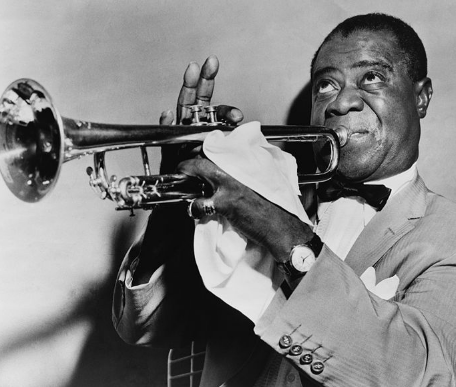
Image: Louis Armstrong (1901 – 1971)
The Harlem Renaissance
The Harlem Renaissance was a cultural movement that flourished in the 1920s, centered in the Harlem neighborhood of New York City. It was a time of great artistic and intellectual output by African Americans, who used the arts to challenge racial stereotypes and express pride in their cultural heritage.
Notable figures of the Harlem Renaissance included writers like Langston Hughes, Zora Neale Hurston, and Claude McKay, as well as visual artists like Aaron Douglas and performers like Paul Robeson. The movement not only enriched American culture but also played a crucial role in laying the groundwork for the civil rights movements of the following decades.
Literature and the Lost Generation
The 1920s were also a golden age for American literature. Writers like F. Scott Fitzgerald, Ernest Hemingway, and T.S. Eliot emerged during this time, often grappling with the disillusionment and existential angst that followed World War I. This group of writers, often called the Lost Generation, expressed a sense of moral decay and societal disintegration in their works.
Fitzgerald’s “The Great Gatsby” (1925) is perhaps the most famous novel of the period, capturing the excess, ambition, and ultimately the hollowness of the American Dream during the Jazz Age. Hemingway’s minimalist prose in works like “The Sun Also Rises” (1926) reflected the emotional detachment and disillusionment felt by many in the post-war generation.
Art Deco and Modernism
The visual arts during the Roaring Twenties were marked by the rise of Art Deco, a design style characterized by bold geometric shapes, vibrant colors, and an embrace of modernity. Art Deco became popular in architecture, interior design, fashion, and commercial products. Buildings like the Chrysler Building in New York City and the Palais de Chaillot in Paris are iconic examples of Art Deco architecture.
At the same time, Modernism in art and literature began to flourish, with artists and writers rejecting traditional forms and embracing abstraction and innovation. Artists like Pablo Picasso and Salvador Dalí experimented with surrealism and cubism, pushing the boundaries of what art could express.
How renowned Spanish painter Pablo Picasso was mistakenly accused of stealing the Mona Lisa
Political and International Developments
The Roaring Twenties was also a time of significant political developments, both in the United States and internationally. The decade was characterized by isolationist policies, efforts at international cooperation, and significant social movements.
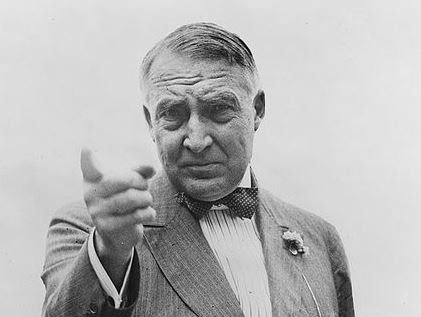
Image: Warren G. Harding (1865 – 1923)
U.S. Politics and Isolationism
In the wake of World War I, the United States adopted a largely isolationist foreign policy. The U.S. Senate rejected the Treaty of Versailles, which included the League of Nations, in part due to concerns about entangling alliances. Throughout the 1920s, the U.S. avoided major foreign interventions, focusing instead on domestic prosperity.
Politically, the decade was dominated by Republican administrations, beginning with Warren G. Harding, followed by Calvin Coolidge and Herbert Hoover. These administrations favored business-friendly policies, deregulation, and limited government intervention in the economy, all of which contributed to the economic boom of the period.
President Warren G. Harding: 5 Horrendous Scandals that plagued his Presidency
The Dawes Plan and European Recovery
While the U.S. pursued isolationism, it still played a role in international financial matters. The Dawes Plan of 1924, named after American banker Charles G. Dawes, was designed to stabilize the German economy and restructure its war reparations payments. The U.S. provided loans to Germany, which used the funds to pay reparations to France and Britain, who in turn repaid their war debts to the United States.
This financial arrangement helped stabilize the European economy and contributed to the recovery of Germany during the “Golden Twenties”, a period of relative economic prosperity and cultural innovation in the latter half of the decade.
Women’s Suffrage and the Rise of Civil Rights Movements
The 1920s saw significant social movements, particularly around women’s rights and civil rights. The success of the women’s suffrage movement, culminating in the passage of the 19th Amendment in 1920, gave women the right to vote in the U.S. This political victory was part of a broader push for gender equality, which saw women demanding greater participation in public life, the workforce, and higher education.
At the same time, civil rights movements, particularly among African Americans, began to gain momentum. While the Harlem Renaissance celebrated African American culture, the decade also saw the growth of the NAACP (National Association for the Advancement of Colored People) and efforts to challenge racial segregation and discrimination, though full civil rights would not be achieved for several more decades.
The End of the Roaring Twenties: The Stock Market Crash of 1929
While the Roaring Twenties was a period of immense growth and optimism, it ended abruptly with the Wall Street Crash of 1929, signaling the beginning of the Great Depression. The economic boom of the 1920s had been fueled by speculative investments, particularly in the stock market. Many people bought stocks on margin, borrowing money to invest, which created an unsustainable bubble.
On October 29, 1929—known as Black Tuesday—the stock market collapsed, wiping out billions of dollars in wealth and triggering a global economic crisis. Banks failed, businesses collapsed, and unemployment soared. The optimism and excess of the Roaring Twenties gave way to the despair and hardship of the Great Depression, which would dominate the 1930s.

Conclusion
The Roaring Twenties was a transformative decade in modern history, characterized by economic prosperity, social change, and cultural innovation. The era’s optimism, technological advancements, and exuberance were driven by the aftermath of World War I and a desire to break with the past.
However, the social and economic forces that defined the 1920s also contained the seeds of the financial collapse that ended the decade. Despite its abrupt conclusion, the Roaring Twenties left a lasting legacy in areas such as music, fashion, art, and social progress, and it remains a defining moment in the story of the 20th century.
Questions and Answers

What key event helped shape the Roaring Twenties in America?
One of the key events that shaped the Roaring Twenties was Prohibition, enacted in January 1919. This law banned the sale and production of alcohol, leading to a widespread black market and the rise of organized crime.
How did Prohibition impact American society during the 1920s?
Prohibition fueled the rise of speakeasies (illegal bars), as well as organized crime, with figures like Al Capone profiting from bootlegging. It created a thriving black market for alcohol and contributed to widespread corruption.
What role did gangsters like Al Capone play during the Roaring Twenties?
Gangsters like Al Capone profited from Prohibition by controlling the illegal alcohol trade. Capone ruled Chicago’s underworld, bribing politicians and law enforcement until he was arrested for tax evasion in the late 1920s.
What characterized the stock market during the Roaring Twenties?
The stock market boomed during the 1920s, with many investors buying stocks on margin, borrowing money in the hope of profiting from rising stock prices. Speculation and risky investments were rampant, leading to financial instability.
What was the significance of Ponzi schemes in the Roaring Twenties?
Ponzi schemes, named after fraudster Charles Ponzi, became a common scam during the 1920s. These schemes paid returns to earlier investors using the funds from newer investors, leading to widespread financial losses.

Image: Charles Ponzi during the early 1920s.
What event marked the end of the economic boom of the Roaring Twenties?
The stock market crash of 1929 marked the end of the Roaring Twenties. The crash caused massive financial losses, with many investors losing their savings and being unable to repay loans taken out to buy stocks.
Who were the flappers, and why were they significant?
Flappers were young women in the 1920s who defied traditional societal norms. They wore short skirts, bobbed their hair, drank, smoked, and danced to jazz music. They symbolized the changing roles and newfound independence of women during the decade.
What political change impacted women during the Roaring Twenties?
In 1920, the 19th Amendment was ratified, granting women the right to vote. This milestone in the fight for gender equality coincided with the increased participation of women in the workforce and societal change.
How did technological advancements transform life during the 1920s?
Electricity became widespread during the 1920s, powering homes and allowing the mass production of household appliances such as vacuum cleaners and washing machines. These advancements improved living standards and simplified everyday tasks.
What was the impact of the automobile industry during the Roaring Twenties?
The automobile industry, driven by Henry Ford’s assembly line, made cars more affordable, particularly the Model T. This provided people with mobility and freedom, leading to the construction of roads and creating new opportunities for travel and leisure.
What role did jazz music play in the cultural identity of the Roaring Twenties?
Jazz became the soundtrack of the Roaring Twenties, symbolizing cultural rebellion and exuberance. The Harlem Renaissance brought African American musicians to prominence, and jazz gained widespread popularity through records and radio broadcasts.
What factors defined the Roaring Twenties?
The Roaring Twenties were defined by several key factors: Prohibition, rapid economic growth, shifting social norms, technological advancements, the rise of flappers, the booming automobile industry, and the cultural influence of jazz. Together, these elements created a decade of transformation.
How did the economic growth of the 1920s impact the U.S.?
The U.S. experienced a 42% increase in economic growth during the Roaring Twenties, producing half of the world’s industrial output by 1929. The booming economy was driven by technological advancements, mass production, and increased consumer demand.
What was the cultural significance of the Harlem Renaissance?
The Harlem Renaissance was a cultural movement during the Roaring Twenties that showcased the creative achievements of African American artists, particularly musicians. It played a key role in the rise of jazz, influencing both American culture and the global music scene.
What brought an abrupt end to the Roaring Twenties?
The Roaring Twenties ended abruptly with the stock market crash of 1929, which led to widespread financial collapse, marking the beginning of the Great Depression.