The Matres (“Mothers”) and Matronae (“Matrons”) were revered female deities worshiped across Northwestern Europe during the Roman occupation from the first to the fifth century AD. These figures appear in votive offerings, altars, and inscriptions, primarily in regions influenced by Romano-Celtic and Germanic cultures. Their widespread veneration and consistent depictions provide a glimpse into the religious practices and beliefs of these ancient societies.
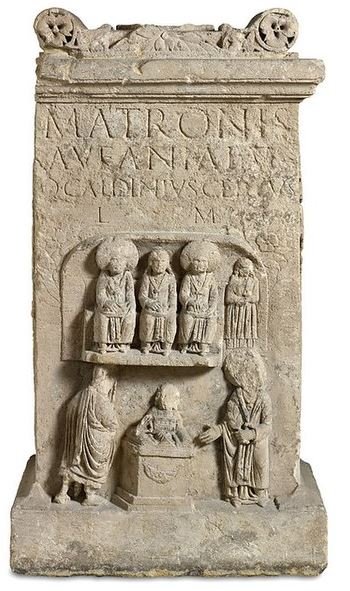
An altar dedicated to the Aufanian Matronae, discovered during excavations at the Bonn Minster.
Geographical Spread and Cultural Context
The veneration of the Matres and Matronae spanned a wide geographical area.
Their worship was most prominent in Germania, Eastern Gaul, and Northern Italy, regions heavily influenced by the Roman military presence.
Evidence of their veneration also appears in other Roman-occupied territories. In areas like Vertillum, votive reliefs and inscriptions dedicated to the Matres have been unearthed.
Over twenty inscriptions from Spain and Portugal include local epithets, such as the Matribus Gallaicis (“Galician Mothers”), reflecting a fusion with indigenous traditions.
The Romano-Celtic culture of Pannonia (modern-day Slovenia) includes dedications to the Nutrices Augustae (“august Nurses”), akin to the Matres, discovered at Roman sites like Ptuj.
The widespread distribution of their cult emphasizes their significance across diverse cultural landscapes under Roman rule.
Depictions and Symbolism
The Matres and Matronae are depicted almost exclusively in triads, symbolizing interconnected roles in life and nature. These frontal representations often show the goddesses sitting or standing, with one typically holding a basket of fruit, symbolizing fertility and abundance. The central figure’s loose hair and headband may signify maidenhood, while the headdresses of the flanking figures suggest marriage.
The Matres and Matronae are almost exclusively depicted in groups of three, a motif that carries profound symbolic meaning.
Additional elements include snakes, linked to the underworld and the dead, and children or diapers, emphasizing family protection and midwifery. Sacrificial motifs such as incense, pigs, and offerings reflect their worship rituals. Decorations with fruits, plants, and trees reinforce their association with fertility, growth, and the natural world.
Parallels with Other Triple Goddesses
The Matres and Matronae align with the widespread ancient motif of triple goddesses, symbolizing unity, cycles, and balance.
In Greek and Roman mythology, parallels include the Fates (Moirai and Parcae), who govern destiny; the Erinyes, chthonic deities tied to vengeance; and the Charites (Graces), embodying beauty and creativity.
The concept of triple goddesses was widespread in ancient European cultures, often symbolizing unity, cycles, and balance.
In Celtic traditions, the Morrígan—a tripartite war goddess—represents sovereignty, war, and fertility. Broader cultural connections extend to Hinduism’s Tridevi, a triad of goddesses personifying creation, preservation, and destruction.
These figures reflect common themes of life, death, and renewal, emphasizing the triadic archetype’s enduring significance across diverse religious and mythological systems.
Religious Practices and Worship
The Matres and Matronae played a significant role in regional religious practices. While detailed rituals remain unknown, over 1,100 votive stones and altars offer insights. These artifacts, often grouped in temple buildings and cult centers, were focal points for worship.
Altars and votive stones were typically found in groups around temples and cult centers, indicating their importance in communal religious practices.
Offerings such as fruits, incense, and animal sacrifices, especially pigs, reflect their association with fertility, sustenance, and familial well-being. Bowls of fruit and depictions of sacrifices highlight their role in ensuring prosperity.
The Matres and Matronae share similarities with other triadic deities and mythological figures.
The clustering of votive stones around temples emphasizes the communal nature of their veneration, making these cult centers central hubs for collective religious and cultural activities.
Interpretations of Their Function
The Matres and Matronae fulfilled diverse roles in ancient society, symbolizing fertility, protection, and connections to the afterlife. As family protectors, their depictions with children and diapers highlight their care for families and young children. The basket of fruit, a common motif, underscores their association with agricultural fertility and abundance.
Snakes, often linked to the underworld, suggest they guided souls or mediated between life and death. Some scholars posit that their contrasting appearances—loose hair for maidenhood and head dresses for matrimony—reflect different stages of womanhood, indicating their broader role as spiritual and social guides through life’s key transitions
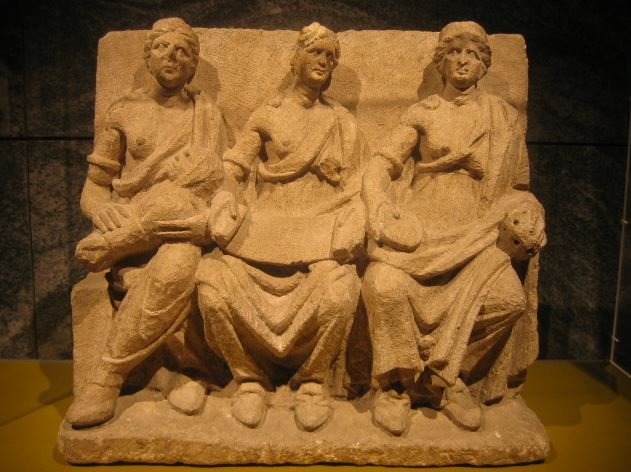
A terracotta relief of the Matres, known as the Vertault relief, originates from the Gallo-Roman settlement of Vertillum (Vertault) in Gaul.
Legacy and Cultural Significance
The veneration of the Matres and Matronae highlights the syncretism between Roman, Celtic, and Germanic traditions during the early centuries AD. Their depiction in inscriptions bearing both Continental Celtic and Germanic names demonstrates their adaptability and relevance across cultural boundaries.
Their enduring presence in archaeological records and their alignment with universal themes of fertility, family, and cycles of life illustrate their lasting impact on the cultural and spiritual life of the regions they were worshiped in.
Frequently Asked Questions
Where were the Matres and Matronae worshipped?
They were venerated in regions of Germania, Eastern Gaul, Northern Italy, and areas occupied by the Roman army, including Southeast Gaul, Spain, Portugal, and Pannonia.
What do depictions of the Matres and Matronae typically show?
They are shown frontally in groups of three, often with one holding a basket of fruit. Other motifs include children, snakes, and symbols of sacrifice like incense, pigs, and fruit.
What is the significance of their triple depiction?
The motif of triple goddesses is common in ancient Europe, paralleling figures like the Fates, Charites, and Morrígan, symbolizing aspects like maidenhood, motherhood, and death.
What do their motifs suggest about their function?
Loose hair and headdresses may symbolize maidenhood and marriage, while snakes may represent the underworld. Children and diapers suggest roles as family protectors and midwives.
What kinds of inscriptions are found with the Matres and Matronae?
Inscriptions often include Continental Celtic and Germanic names, along with dedications referencing local epithets, such as “to the Galician Mothers.”





