American Poet and Essayist Walt Whitman
It is widely held that Walt Whitman’s contribution to American literature and culture is unparalleled. Through his groundbreaking poetry, he captured the spirit of a young nation, embracing its complexities, contradictions, and boundless possibilities.
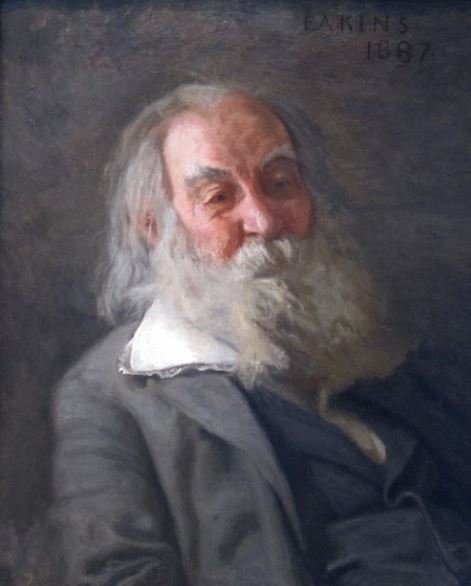
A late 1880s portrait of Walt Whitman.
Early Life and Influences
Walt Whitman was born Walter Whitman Jr. on May 31, 1819, in West Hills, New York. He was the second of nine children born to Walter Whitman Sr. and Louisa Van Velsor. His parents were of Quaker and Dutch descent, respectively, and instilled in him a strong sense of American identity. Whitman spent much of his early childhood in Brooklyn, where his family moved when he was four years old. Despite financial struggles that forced the family to frequently change residences, Whitman’s exposure to diverse communities in New York profoundly shaped his worldview.
Whitman’s education ended at age 11, after which he sought work to help support his family. His early employment included work as an office boy for lawyers and as an apprentice printer at the Long Island Patriot, where he developed an interest in typesetting and writing. His experience in the printing trade, coupled with a fascination for literature, led him to contribute short stories and poems to local periodicals. During his teenage years, Whitman was heavily influenced by the works of Homer, Dante, and Shakespeare, as well as the principles of the Enlightenment, which emphasized individualism, freedom, and democracy.
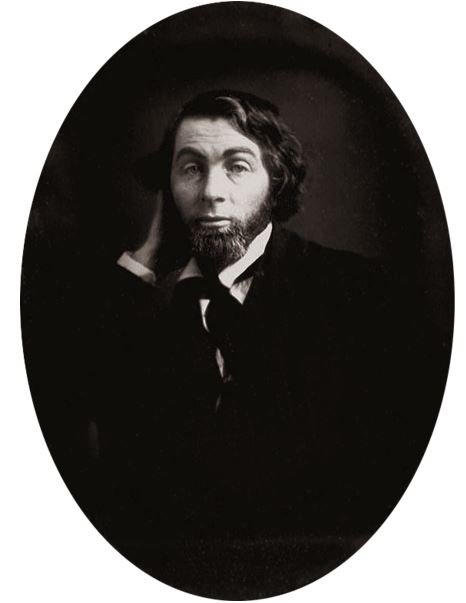
Late 1840s photo of Whitman.
Early Career and Teaching
From 1836 to 1838, Whitman worked intermittently as a schoolteacher on Long Island. He was not particularly satisfied with this profession, finding it restrictive and lacking the creativity he craved. His time as a teacher, however, exposed him to the lives of ordinary Americans, which would later influence his poetic voice. After leaving teaching, Whitman founded a newspaper, The Long-Islander, where he acted as publisher, editor, printer, and distributor. Though the newspaper was short-lived, the experience provided Whitman with valuable insights into the publishing world.
By 1841, Whitman had transitioned to journalism full-time, contributing to various newspapers and periodicals in New York City. He became editor of the Brooklyn Eagle in 1846, where he wrote extensively on politics, culture, and social reform. However, his outspoken support for the Free Soil Party, which opposed the expansion of slavery into new territories, led to his dismissal from the paper in 1848. This political stance aligned with Whitman’s growing concern for human rights and equality, themes that would dominate his later works.
Literary Breakthrough: Leaves of Grass
Whitman’s most celebrated work, Leaves of Grass, was first published in 1855. It was a self-funded endeavor, printed in a local shop during breaks between commercial jobs. The first edition contained 12 poems and a preface that outlined Whitman’s poetic philosophy, celebrating the vitality of the American spirit and the interconnectedness of all people. Whitman’s use of free verse, a departure from traditional poetic forms, was revolutionary and established him as a pioneer of modern poetry.
Ralph Waldo Emerson, one of America’s leading intellectuals, praised Leaves of Grass as “the most extraordinary piece of wit and wisdom that America has yet contributed.” However, the book also faced criticism for its frank exploration of sexuality and sensuality, which some critics deemed obscene. Whitman’s bold and candid portrayal of the human body and desire, particularly in poems such as “Song of Myself,” challenged Victorian notions of propriety and morality.
Whitman continued to revise and expand Leaves of Grass throughout his life, adding new poems and refining earlier ones. By the time of his death in 1892, the collection had undergone several editions and had grown to include nearly 400 poems. Each edition reflected Whitman’s evolving vision of America and his unwavering belief in the dignity of the individual.
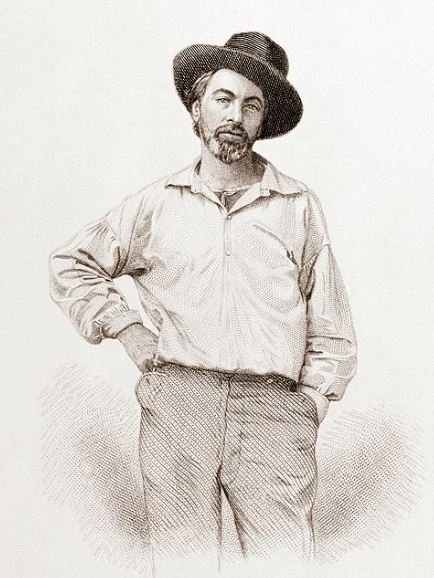
An 1854 photo of Walt Whitman.
Civil War and Humanitarian Work
The outbreak of the American Civil War in 1861 marked a turning point in Whitman’s life. Deeply moved by the plight of wounded soldiers, he traveled to Washington, D.C., in 1862 after hearing that his brother George had been injured in battle. Though George’s injuries were minor, Whitman was profoundly affected by the suffering he witnessed in army hospitals. He chose to remain in Washington and devoted himself to caring for the wounded, offering comfort and companionship to soldiers in hospitals.
Whitman’s experiences during the war deeply influenced his poetry. His collection Drum-Taps (1865) captures the emotional toll of the conflict, blending patriotism with sorrow. Poems such as “The Wound-Dresser” and “Come Up from the Fields Father” convey the raw grief and trauma experienced by families and soldiers alike. His elegy for Abraham Lincoln, “When Lilacs Last in the Dooryard Bloom’d,” remains one of the most powerful tributes to the fallen president, expressing both personal and national mourning.
What were the sociocultural effects of the American Civil War?
Post-War Years and Later Life
After the war, Whitman secured a position in the Department of the Interior but was later dismissed, allegedly due to the controversial nature of Leaves of Grass. He then worked as a clerk in the Attorney General’s office until 1874 when a stroke forced him to retire. Following his stroke, Whitman moved to Camden, New Jersey, where he lived with his brother George. Despite declining health, Whitman remained active in literary circles and continued to revise Leaves of Grass.
Whitman’s reputation grew in the post-war years, both in the United States and abroad. English admirers such as William Michael Rossetti and Anne Gilchrist championed his work, introducing it to European audiences. By the 1880s, Whitman was recognized as a literary giant, though he remained controversial due to the candid nature of his poetry.
Final Years and Death
In his final years, Whitman’s health deteriorated, and he became largely bedridden. He continued to work on Leaves of Grass, producing the so-called “Deathbed Edition” in 1891–1892. This final edition included some of his most reflective and philosophical poems, encapsulating a lifetime of thought on democracy, mortality, and the human condition.
Whitman died on March 26, 1892, at the age of 72. His funeral was a public event attended by over a thousand mourners. He was buried in a mausoleum he had designed himself in Harleigh Cemetery, Camden, New Jersey. His legacy lived on through the countless poets and writers who drew inspiration from his work.
Legacy and Influence
Walt Whitman’s influence on American literature is immeasurable. His innovative use of free verse, his celebration of the individual, and his embrace of the diversity of American life laid the foundation for modern American poetry. Ezra Pound declared Whitman “America’s poet,” while the Poetry Foundation described him as “America’s world poet—a latter-day successor to Homer, Virgil, Dante, and Shakespeare.”
Whitman’s impact extended beyond literature. His ideas on democracy, equality, and the human experience resonated with civil rights movements and inspired generations of social reformers. His work has been referenced and adapted in countless forms, from music and film to political speeches and cultural discourse.
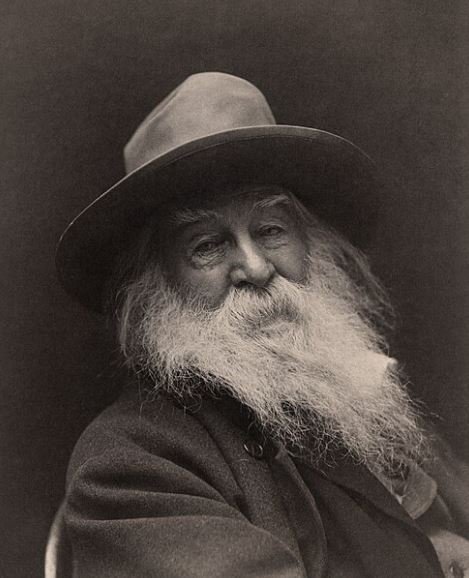
An 1887 photo of Walt Whitman.
Themes and Style
Whitman’s poetry is characterized by its celebration of life, nature, and the human spirit. His work frequently explores themes of democracy, equality, and individualism, reflecting his belief in the inherent worth of every person. Whitman’s use of free verse, with its fluid structure and lack of formal rhyme, allowed him to capture the rhythms of natural speech and the complexity of human experience.
His thematic exploration of sexuality, both heterosexual and homoerotic, was groundbreaking and remains a subject of scholarly debate. Whitman’s “Calamus” poems, in particular, celebrate male camaraderie and affection, leading many biographers to speculate about his own sexuality. Though Whitman denied engaging in same-sex relationships, his poetry suggests a deep understanding of and empathy for the complexities of human desire.
Controversies and Criticisms
Whitman’s openness about sexuality and his unconventional views on race and democracy generated considerable controversy during his lifetime. His work was banned in some circles, and he was dismissed from government positions due to the perceived immorality of Leaves of Grass. Though Whitman espoused egalitarian ideals, his views on race were complex and, at times, inconsistent. He supported the abolition of slavery but expressed ambivalence about African-American political equality, reflecting the prejudices of his era.
Influence on Modern Literature
Whitman’s influence on modern literature is undeniable. His emphasis on self-expression and individualism resonated with poets such as Allen Ginsberg, Langston Hughes, and Adrienne Rich. The Beat Generation, with its celebration of countercultural values and rejection of societal norms, drew inspiration from Whitman’s fearless exploration of the human condition.
Internationally, Whitman’s work inspired Latin American poets such as Pablo Neruda and Jorge Luis Borges, who admired his celebration of the common man and his visionary approach to poetry. His legacy continues to shape contemporary literature, as writers across the globe find inspiration in his innovative style and profound philosophical insights.
Frequently Asked Questions
What is Leaves of Grass and Why is it Significant?
Leaves of Grass is Walt Whitman’s groundbreaking poetry collection, first published in 1855. It revolutionized American literature by introducing free verse and celebrating democracy, individualism, and the beauty of the human body.
How Did Whitman’s Experiences During the Civil War Influence His Writing?
Whitman volunteered as a nurse in Washington, D.C., during the Civil War, witnessing immense suffering. These experiences shaped his poems in Drum-Taps and inspired elegies like “When Lilacs Last in the Dooryard Bloom’d,” reflecting themes of loss and healing.
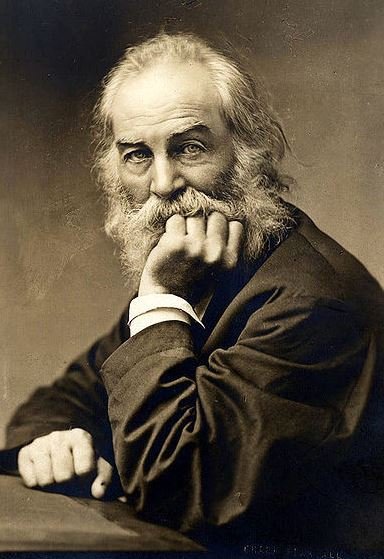
Whitman in 1869
Why Was Leaves of Grass Controversial During Whitman’s Lifetime?
The collection was considered obscene by many due to its candid exploration of sexuality, sensuality, and the human body. This frankness led to censorship and criticism, but also cemented Whitman’s reputation as a pioneer of free expression.
What Role Did Ralph Waldo Emerson Play in Whitman’s Career?
Emerson praised Leaves of Grass in a five-page letter, calling it “the most extraordinary piece of wit and wisdom that America has yet contributed.” His endorsement helped Whitman gain recognition and readership despite the controversy.
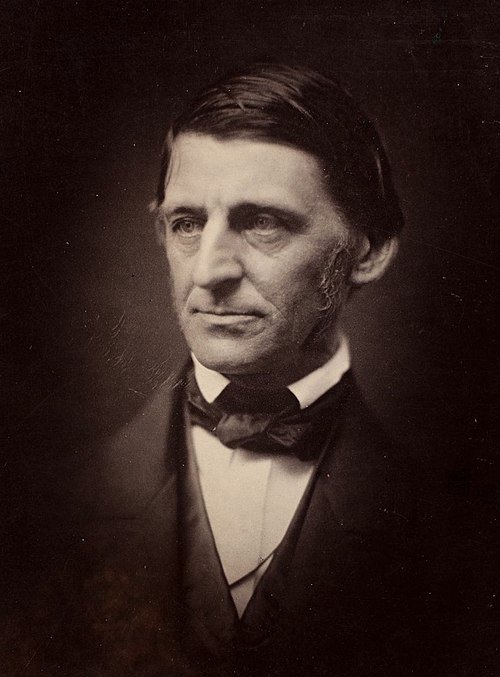
Ralph Waldo Emerson
How Did Whitman’s Work Influence Modern American Poetry?
Whitman’s use of free verse, embrace of individualism, and focus on common people influenced poets such as Ezra Pound, Langston Hughes, and Allen Ginsberg, shaping the trajectory of modern American literature.
Whitman believed that poetry and democracy were inherently linked. He celebrated America’s diversity and championed the idea that all individuals, regardless of class or background, contributed to the nation’s greatness.
Did Whitman’s Work Address Issues of Race and Slavery?
While Whitman opposed the expansion of slavery and supported the Union cause, his views on race were complex. He expressed ambivalence about African-American political equality and reflected some of the racial prejudices of his time.
What Inspired Whitman’s Unique Poetic Style?
Whitman’s style was influenced by his love for Italian opera, biblical cadences, and the rhythms of everyday speech. His use of free verse allowed him to break from traditional poetic structures and capture the energy of American life.
How Did Whitman’s Sexuality Influence His Work?
Whitman’s poetry often explored themes of same-sex affection, particularly in the “Calamus” poems. While his sexual orientation remains a subject of debate, his writing reflects a deep sensitivity to human relationships and desire.
What Was the Public Reaction to Whitman’s Death?
Whitman’s funeral in 1892 was a public event attended by over 1,000 people. His death marked the end of a life devoted to reshaping American literature, and his influence continues to resonate in the works of poets and thinkers worldwide.





