One Thousand and One Nights: History and Major Facts
One Thousand and One Nights, commonly known in English as The Arabian Nights, is a collection of Middle Eastern and South Asian folktales compiled in Arabic during the Islamic Golden...

One Thousand and One Nights, commonly known in English as The Arabian Nights, is a collection of Middle Eastern and South Asian folktales compiled in Arabic during the Islamic Golden...
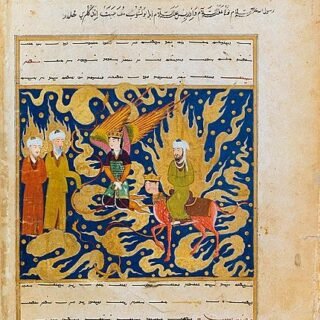
The Miraj Nameh (Mirâj Nâmeh), held in the National Library of France under “supplément turc 190,” is a remarkable 15th-century Islamic manuscript. This manuscript, created in the workshops of Herat,...
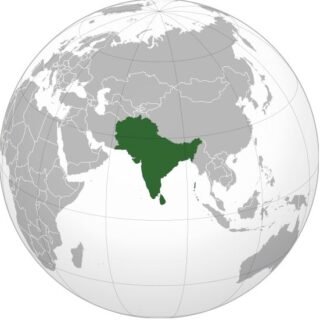
The Umayyad campaigns in India represent a critical chapter in the history of early Islamic expansion into the Indian subcontinent. These military expeditions, primarily occurring in the 8th century CE,...

The Fatimid Caliphate, also known as the Fatimid Empire, was an Isma’ili Shia Islamic dynasty that ruled parts of North Africa and West Asia from the 10th to the 12th...
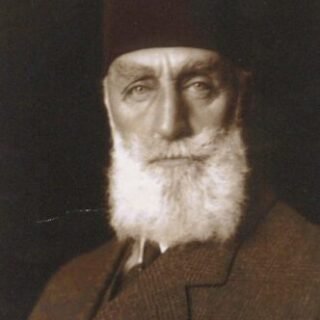
Abdülmecid II, the final caliph of the Ottoman Dynasty and the last holder of the Islamic caliphate, played a significant yet often overlooked role in the closing chapter of the...

The Dome of the Rock, located in the heart of Jerusalem, is one of the most iconic and important structures in the world, revered by Muslims, Jews, and Christians alike....

Islam is a religion deeply rooted in the concept of sacred spaces, with several locations holding profound significance for Muslims worldwide. These sites are not only revered for their religious...

Khadijah bint Khuwaylid: Fast Facts Married: 595 CE Status: First wife, highly respected and beloved. Background: A wealthy and successful merchant, Khadijah was Muhammad’s first and only wife for 25...

The marriages of Prophet Muhammad provide insights into his life, the socio-political landscape of 7th-century Arabia, and the various roles women played in early Islamic history. Each wife had a...
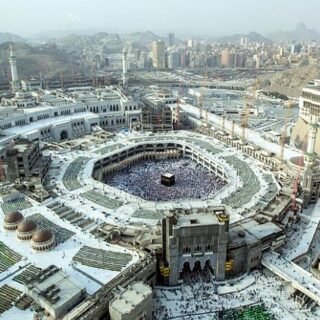
Islam is one of the world’s major monotheistic religions, with over a billion followers known as Muslims. It emerged in the Arabian Peninsula in the 7th century AD and is...
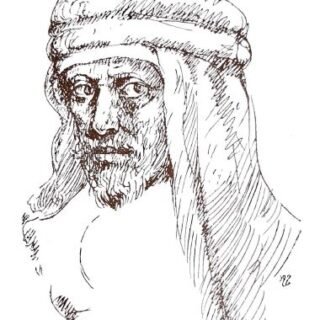
The Abbasid Caliphate, a dynasty that ruled the Islamic world and significantly shaped its cultural and intellectual legacy, began its rise to power in 750 AD, succeeding the Umayyad Caliphate....

The Five Pillars of Islam form the foundation of a Muslim’s life, akin to the five pillars supporting a building. These pillars embody the core beliefs and practices that every...

Within the diverse realm of world art, Islamic art stands out not only for its intricate designs and emphasis on patterns and geometry but also for its conspicuous absence of...

Standing on one of holiest hilltops in the world, the Al-Aqsa Mosque holds the honor of being the third-holiest site in Islam, right after Mecca and Medina. The Mosque, which...

In spite of the less-than human conditions that many slaves in America lived, there were quite a good number of them that went on to leave their mark on the...





