What is the difference between Cinco de Mayo and Mexico’s Independence Day?
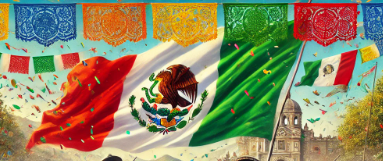
In the collective consciousness, especially outside of Mexico, there exists a confusion between Cinco de Mayo and Mexico’s Independence Day. However, these are two distinct events, each carrying its own historical weight and significance.
Cinco de Mayo and Mexico’s Independence Day are two of the most celebrated events connected to Mexican history, yet they are often confused, particularly outside of Mexico. While both dates are associated with significant moments in Mexican history and identity, they commemorate entirely different events with distinct historical contexts and meanings.
Cinco de Mayo celebrates a single battle in Mexican history—the Battle of Puebla, fought on May 5, 1862. In contrast, Mexico’s Independence Day, celebrated on September 16, marks the start of Mexico’s fight for independence from Spanish rule in 1810.
To fully understand the difference between the two, it’s essential to explore their historical origins, their significance, and how they are celebrated both in Mexico and internationally.
The Historical Context of Mexico’s Independence Day
Mexico’s Independence Day, celebrated on September 16, marks the anniversary of El Grito de Dolores (the Cry of Dolores), the event that set off the Mexican War of Independence against Spain. The story begins in the early 19th century when Mexico, known as New Spain under Spanish rule, was a colony suffering from a deeply stratified society where most of the wealth and power were concentrated among Spaniards born in Spain (peninsulares), while indigenous people, mestizos (those of mixed Spanish and indigenous ancestry), and criollos (Mexicans of Spanish descent born in the Americas) faced widespread inequality and discrimination.
The Cry of Dolores
The independence movement was sparked by growing dissatisfaction with colonial rule and the influence of Enlightenment ideas about liberty and equality. At the heart of this movement was a Catholic priest, Miguel Hidalgo y Costilla, who became a key figure in the fight for independence. On the night of September 15, 1810, in the small town of Dolores in present-day Guanajuato, Hidalgo gave his famous speech, now known as El Grito de Dolores, in which he called for an uprising against the Spanish colonial authorities. This speech is seen as the starting point of the Mexican War of Independence, which would last until 1821.
Hidalgo’s call to arms was embraced by many, particularly peasants, who joined the fight. The war was a long and bloody struggle, but it eventually culminated in the signing of the Treaty of Córdoba in 1821, which recognized Mexican independence from Spain.

Father Miguel Hidalgo proclaim the national independence in Dolores.
Significance of Mexico’s Independence Day
Mexico’s Independence Day represents the birth of a sovereign nation and the beginning of a long struggle to build a democratic and inclusive society. For Mexicans, September 16 symbolizes the breaking of colonial chains and the assertion of national identity, sovereignty, and freedom from foreign rule. The day is marked with patriotic displays, national pride, and reverence for the leaders of the independence movement, including Hidalgo, José María Morelos, and Vicente Guerrero.
Each year, the celebration of Mexico’s Independence Day begins on the night of September 15, when the president of Mexico reenacts Hidalgo’s Grito de Dolores from the balcony of the National Palace in Mexico City. This ceremony, known as El Grito de Independencia, is replicated in town squares across the country, followed by fireworks, music, and festivities.

Image: Federal District buildings at the Zócalo in Mexico City, adorned for the 2010 celebrations, viewed from the rooftop restaurant of the Hotel Majestic.
Mexican War of Independence: Causes, Major Battles, & Outcome
The Historical Context of Cinco de Mayo
Cinco de Mayo, celebrated on May 5, commemorates a much later event in Mexican history: the Battle of Puebla in 1862. This battle was part of the Second French Intervention in Mexico, a conflict that occurred several decades after Mexico’s independence from Spain.
The French Intervention and the Battle of Puebla

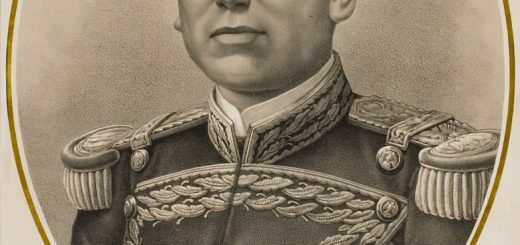
The Battle of Puebla saw a significantly smaller and less-equipped Mexican army, under the command of General Ignacio Zaragoza, triumph against the well-armed French forces. While the victory was short-lived and didn’t stop the French from eventually occupying Mexico for a time, it was a tremendous morale boost for the Mexican resistance.
In the mid-19th century, Mexico was experiencing political and economic turmoil. Following the costly Mexican-American War (1846–1848) and a civil war known as the Reform War (1858–1861), Mexico was deeply in debt to several European countries, including France, Spain, and Britain. In 1861, President Benito Juárez announced a suspension of debt payments, which led to France, under Emperor Napoleon III, seeing an opportunity to expand its influence in the Americas.
France, with ambitions to establish a pro-French monarchy in Mexico under Maximilian I of Austria, invaded Mexico in late 1861. While Spain and Britain withdrew their forces after initial negotiations, the French pressed forward with their military campaign. On May 5, 1862, a French army of about 6,000 troops, considered one of the most powerful in the world at the time, marched on the city of Puebla. There, they encountered a much smaller and poorly equipped Mexican force of about 2,000 to 4,000 soldiers under the command of General Ignacio Zaragoza.
Despite being outnumbered and outgunned, the Mexican forces achieved a surprising and morale-boosting victory over the French. The Battle of Puebla was a symbolic triumph for Mexico, showing that the nation could stand up to a major European power. However, the French eventually regrouped and went on to capture Mexico City in 1863, installing Maximilian as emperor. French rule in Mexico lasted until 1867, when Mexican forces, with the help of the United States following the American Civil War, ousted the French and executed Maximilian.

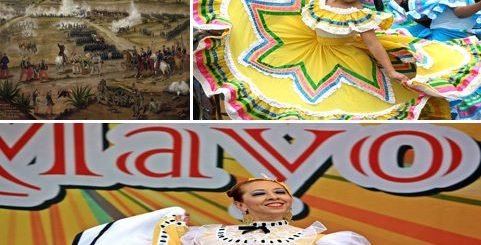
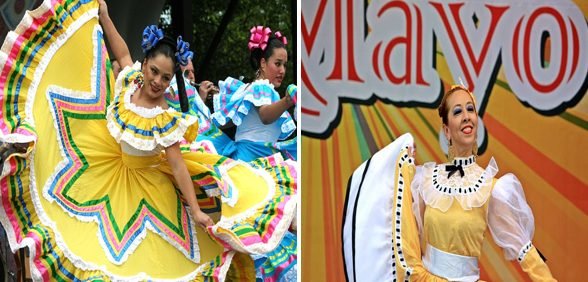
Celebrated on the 5th of May, Cinco de Mayo commemorates the Battle of Puebla, which took place in 1862. This battle was a part of the larger French intervention in Mexico, a conflict that arose after Mexico defaulted on its foreign debts, particularly to European powers. The French, under the leadership of Napoleon III, sought not only to reclaim the debt but also to establish a monarchy in Mexico under Maximilian of Austria, furthering their imperial ambitions in the Americas. Image: Cinco de Mayo parade
Significance of Cinco de Mayo
Cinco de Mayo is often misunderstood as Mexican Independence Day, but it actually marks a specific battle that symbolized Mexican resistance to foreign intervention. Although the Battle of Puebla did not end the French occupation, it is celebrated as a victory of Mexican unity and patriotism in the face of overwhelming odds.
In Mexico, Cinco de Mayo is primarily celebrated in the state of Puebla, where the battle took place, with reenactments, parades, and ceremonies honoring General Zaragoza and the soldiers who fought. While it is recognized throughout the country, it is not a national holiday on the same scale as Independence Day.
How Cinco de Mayo Became Popular in the United States
Interestingly, Cinco de Mayo has become far more popular in the United States than in Mexico. The celebration of Cinco de Mayo in the U.S. began in the mid-20th century, particularly during the Chicano Movement in the 1960s and 1970s, when Mexican-Americans sought to assert their cultural identity and heritage. The Battle of Puebla became a symbol of Mexican pride and resistance against colonial and foreign powers, resonating with the Chicano civil rights movement.
Over time, Cinco de Mayo evolved into a widespread celebration of Mexican culture in the U.S., marked by festivals, parades, and public events showcasing Mexican food, music, and dance. Today, Cinco de Mayo is often commercialized, with parties and promotions centered on Mexican-themed drinks and cuisine, though its historical significance remains important, especially within the Mexican-American community.
Key Differences Between Cinco de Mayo and Mexico’s Independence Day
Historical Events
- Cinco de Mayo celebrates the Battle of Puebla in 1862, a single victory over the French forces during the Second French Intervention in Mexico.
- Mexico’s Independence Day commemorates the start of the Mexican War of Independence from Spain in 1810, which led to the eventual formation of a sovereign Mexican state in 1821.
What Each Day Represents
- Cinco de Mayo represents Mexican resilience, courage, and resistance to foreign intervention, particularly against a formidable French empire.
- Mexico’s Independence Day represents the birth of a nation and the end of Spanish colonial rule, marking a major turning point in Mexico’s political and social history.

Celebrated on the 16th of September, Mexico’s Independence Day, or “Día de la Independencia,” marks the beginning of the Mexican War of Independence against Spanish colonial rule.
Geographical Focus
- Cinco de Mayo is primarily celebrated in the state of Puebla, although it is recognized throughout Mexico.
- Mexico’s Independence Day is a national celebration, with festivities held across the entire country, including major events in Mexico City.
Importance in Mexico
- Cinco de Mayo is a regional celebration with national recognition, but it is not a public holiday for most Mexicans.
- Mexico’s Independence Day is the most important national holiday in Mexico, with government offices, schools, and businesses closing for the day. Festivities begin on the night of September 15 with El Grito (the Cry of Dolores), reenacted by the president of Mexico and local officials.
Cultural Importance in the U.S.
- Cinco de Mayo is widely celebrated in the United States, particularly within Mexican-American communities, as a celebration of Mexican heritage, culture, and pride.
- Mexico’s Independence Day is also recognized in the U.S. by Mexican communities, but Cinco de Mayo has gained greater prominence as a cultural celebration of Mexican identity in the broader American context.
Celebrations and Traditions
Mexico’s Independence Day Celebrations
- El Grito de Dolores: The president of Mexico leads the reenactment of Miguel Hidalgo’s famous speech from the National Palace in Mexico City. This marks the official start of the Independence Day celebrations.
- Parades and Fireworks: Across Mexico, towns and cities hold parades, fireworks displays, and patriotic events featuring music, dancing, and traditional food.
- Patriotic Symbols: The Mexican flag, the national anthem, and images of independence leaders like Hidalgo and Morelos are central to the celebrations.
Cinco de Mayo Celebrations
- Reenactments of the Battle of Puebla: In Puebla, the day is marked by reenactments of the 1862 battle, parades, and ceremonies.
- Cultural Festivals: In both Mexico and the U.S., Cinco de Mayo is celebrated with festivals that highlight Mexican food, music, dance, and traditions.
- Commercial Celebrations in the U.S.: In the U.S., Cinco de Mayo has become a commercial holiday, with parties, parades, and events often emphasizing Mexican food, beverages, and culture.
Conclusion
The difference between Cinco de Mayo and Mexico’s Independence Day is often misunderstood, but each commemorates an important chapter in Mexican history with distinct meanings. Cinco de Mayo, while often confused with Independence Day, celebrates the Mexican victory at the Battle of Puebla in 1862, symbolizing Mexican resistance to foreign invasion. In contrast, Mexico’s Independence Day on September 16 marks the beginning of Mexico’s fight for freedom from Spanish colonial rule in 1810, a movement that led to the establishment of an independent Mexican nation.
Both days are integral to Mexican identity, though Independence Day holds greater national significance in Mexico. On the other hand, Cinco de Mayo has become more prominent in the U.S., serving as a celebration of Mexican-American culture and heritage. Understanding the distinct historical and cultural contexts of these two events helps clarify their significance and how they are celebrated in different parts of the world.
Questions and Answers about Cinco de Mayo and Mexico’s Independence Day
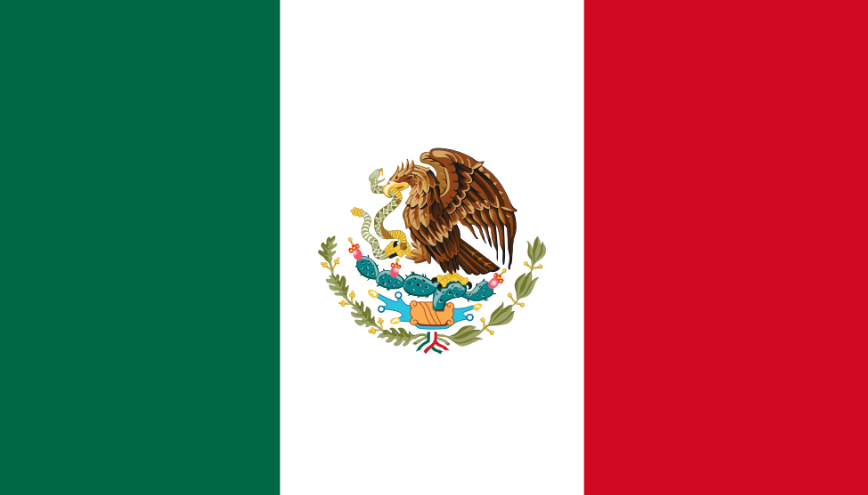
The essential difference between the two celebrations is what they represent in the larger narrative of Mexican history. While Cinco de Mayo is a testament to Mexico’s resilience and ability to resist foreign interventions, Independence Day is a celebration of the nation’s birth and its break from colonial shackles.
What is Cinco de Mayo, and what does it commemorate?
Cinco de Mayo, celebrated on May 5th, commemorates the Battle of Puebla in 1862. It was part of the larger French intervention in Mexico, during which a smaller, less-equipped Mexican army defeated the French forces under General Ignacio Zaragoza.
What led to the French intervention in Mexico?
The French intervention in Mexico occurred after Mexico defaulted on its foreign debts to European powers, including France. Napoleon III saw this as an opportunity to establish a monarchy in Mexico under Maximilian of Austria and extend French influence in the Americas.
What is the significance of the Battle of Puebla?
The Battle of Puebla was significant because a smaller Mexican force defeated a well-armed French army. Although the victory was temporary and did not prevent the French from occupying Mexico, it provided a morale boost for Mexican resistance against foreign intervention.
What is Mexico’s Independence Day, and when is it celebrated?
Mexico’s Independence Day, celebrated on September 16th, marks the beginning of the Mexican War of Independence from Spain in 1810. The date commemorates El Grito de Dolores, a call to arms made by Miguel Hidalgo y Costilla, a Catholic priest.

Miguel Hidalgo was a Catholic priest of the town of Dolores best known as the Father of Mexican Independence
What event started the Mexican War of Independence?
The Mexican War of Independence began with El Grito de Dolores, when Miguel Hidalgo rang the church bell in the town of Dolores and called for rebellion against Spanish colonial rule. This sparked a revolutionary movement that led to Mexican independence in 1821.
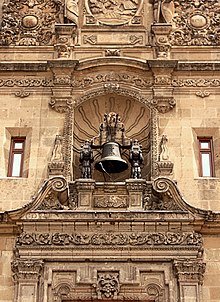
Mexicans around the world celebrate September 16 in honor of the moment when Father Miguel Hidalgo called for Mexico’s independence from Spain in 1810. Reenactment of that historic moment is a common feature on Mexico’s Independence Day, which is a public holiday across country. Those events are filled with dance, feast and fireworks. Image: The Bell of Dolores
How are Cinco de Mayo and Mexico’s Independence Day celebrated differently?
Cinco de Mayo is observed with ceremonies and parades, particularly in Puebla, but it is not a major national holiday in Mexico. In contrast, Mexico’s Independence Day is one of the most important holidays in the country, celebrated with fireworks, parades, and the reenactment of El Grito across the nation.
Why is Cinco de Mayo more widely celebrated in the United States than in Mexico?
In the United States, Cinco de Mayo has become a celebration of Mexican heritage and culture, especially within the Mexican-American community. It is marked by festivals, music, and food. The holiday gained prominence during the Chicano Movement in the 1960s and has since been commercialized, unlike in Mexico, where it is more modestly observed.

In the United States, Cinco de Mayo has taken on a life of its own, celebrated with much enthusiasm by both the Mexican-American community and others. It serves as a day to honor Mexican heritage and culture, marked by festivals, music, dance, and food.
What role does the Mexican president play in the Independence Day celebrations?
On the night of September 15th, the Mexican president rings the bell of the National Palace in Mexico City and reenacts El Grito de Dolores, shouting patriotic cries like “¡Viva México!” This ceremony is followed by fireworks and nationwide festivities on September 16th.

Celebration of Mexican Independence Day
What is the essential difference between Cinco de Mayo and Mexico’s Independence Day?
Cinco de Mayo celebrates Mexico’s resilience in resisting foreign intervention during the Battle of Puebla, while Mexico’s Independence Day marks the beginning of the nation’s struggle for independence from Spain in 1810 and the birth of a sovereign Mexican state.
Which celebration has more global recognition and why?
Cinco de Mayo has gained more global recognition, especially in the United States, due to its association with Mexican-American culture and its commercialization. In contrast, Mexico’s Independence Day is primarily a national event with deep significance within Mexico itself.