Netotiliztli
Netotiliztli was a traditional dance practiced by the Mexica people, a Nahuatl-speaking civilization that flourished in central Mexico before the Spanish conquest. This dance was deeply intertwined with Mexica cosmology,...
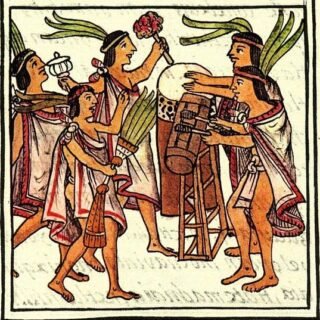
Netotiliztli was a traditional dance practiced by the Mexica people, a Nahuatl-speaking civilization that flourished in central Mexico before the Spanish conquest. This dance was deeply intertwined with Mexica cosmology,...

La Reforma was a significant period in Mexican history during the mid-19th century, marked by liberal reforms aimed at modernizing the country by limiting the influence of the Catholic Church...
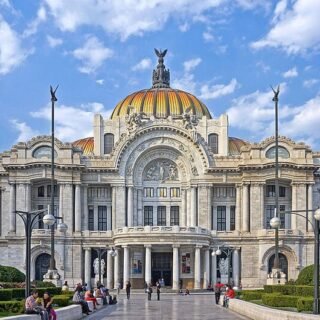
Mexico City, one of the largest and most culturally rich capitals in the world, is home to numerous landmarks that reflect its deep historical roots, artistic achievements, and modern vibrancy....
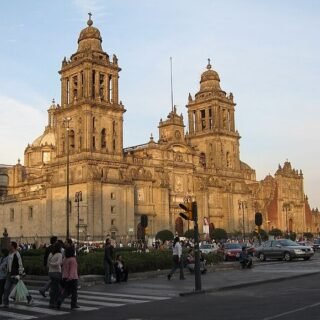
The Mexico City Metropolitan Cathedral stands as a remarkable testament to Mexico’s colonial history, blending various architectural styles and historical narratives. Situated on the Plaza de la Constitución (Zócalo), it...
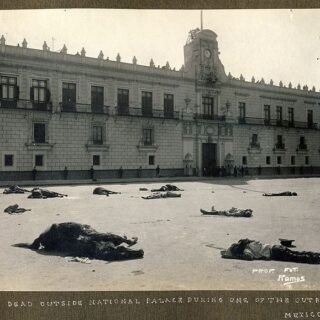
The Ten Tragic Days, or “La Decena Trágica,” is one of the most significant and violent episodes in Mexican history, occurring between February 9 and February 19, 1913, during the...
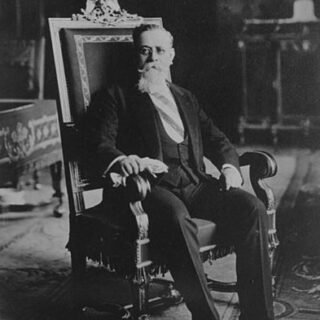
Venustiano Carranza was a central figure in the Mexican Revolution and the establishment of constitutional governance in Mexico. His life and political career, spanning from the late 19th century to...
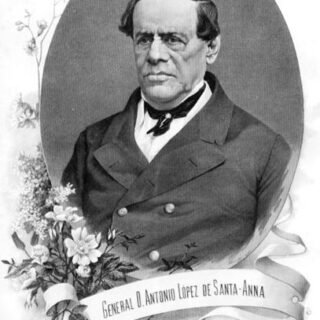
Antonio de Padua María Severino López de Santa Anna y Pérez de Lebrón, commonly known as Antonio López de Santa Anna, was born on February 21, 1794, in Xalapa, Veracruz,...
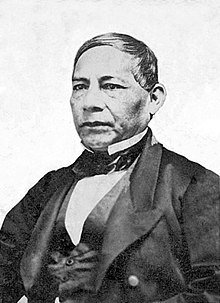
Benito Juárez, often referred to as the “Builder of Modern Mexico,” stands tall among the pantheon of Latin American leaders. His life’s journey, from indigenous Zapotec origins to the presidency...
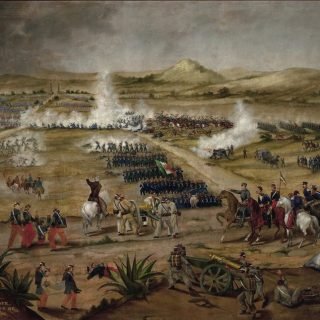
The Battle of Puebla on May 5, 1862, is one of the most celebrated and significant military engagements in Mexican history. Against all odds, a relatively small and ill-equipped Mexican...
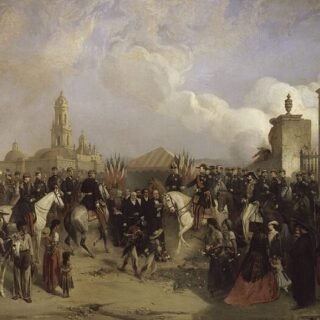
The Mexican conservatives’ support for the French invasion of Mexico in 1862 was a product of a complex and tumultuous historical context, rooted in the ideological, political, and social conflicts...
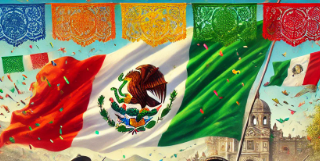
Cinco de Mayo and Mexico’s Independence Day are two of the most celebrated events connected to Mexican history, yet they are often confused, particularly outside of Mexico. While both dates...
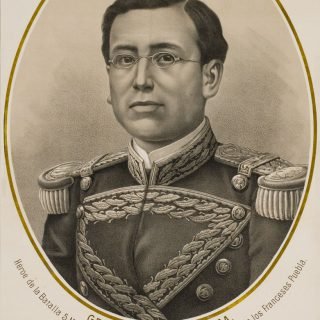
When the history of Mexico is discussed, a pantheon of heroes emerges, and among them, the figure of General Ignacio Zaragoza holds a special place, particularly in the context of...
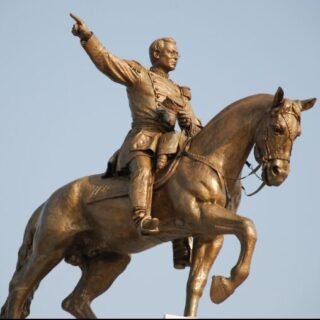
Ignacio Zaragoza Seguín (1829–1862) was a prominent Mexican general best known for his leadership in the Battle of Puebla on May 5, 1862, where his forces successfully repelled the French...
In the annals of history, certain events stand out not merely for their military significance but also for their symbolic resonance. The Battle of Puebla, fought on May 5, 1862,...

On September 27, 1821, the Mexican War of Independence reached its climactic conclusion as Agustín de Iturbide led the Army of the Three Guarantees into Mexico City. This marked exactly...





