Medical Practices in Roman Britain
Below is a detailed breakdown of key themes on the medical practices, diseases, and healing methods prevalent in Roman Britain.
Roman Medical Practices and Influences
The Roman Empire, spanning vast territories including Britain, was heavily influenced by earlier Greek medical theories, especially those of Hippocrates and Galen.
Hippocrates (c. 460–370 BCE), often considered the “father of medicine,” established the theory of the four humors, which was central to both Roman and Greek medical understanding. According to this theory, the body contained four main fluids, or humors: blood, phlegm, yellow bile, and black bile. Health was believed to result from a balance of these humors, while illness occurred when they were imbalanced.
Galen (c. 129–216 CE), a prominent Roman physician, further developed this theory, providing a comprehensive framework for Roman medicine that included both diagnostic methods and treatments.

Image: Hippocrates
In Roman Britain, these ideas were imported along with the arrival of the Roman military, officials, and settlers. Roman physicians, who might have been either professionals or military doctors, applied these Greek theories in their medical practice. Roman doctors were typically well-educated, often having learned their craft through apprenticeships or formal schooling in Roman or Greek medical schools. The Galenic tradition would have been the foundation of much of their work.
Medical Practitioners in Roman Britain
In Roman Britain, the level of healthcare available varied depending on the location and status of individuals. In urban centers like Londinium (modern-day London) or Eboracum (modern-day York), where there was a higher concentration of Roman citizens, officials, and wealthy families, medical practitioners were more common. Doctors might have worked out of clinics or private homes, and some were attached to military garrisons, where they treated soldiers.
In rural areas, professional medical care was less accessible. People often relied on folk remedies or the advice of local healers. These healers, often women, would have used herbal knowledge passed down through generations, blending Celtic traditions with Roman medical ideas.
Roman doctors in Britain were typically equipped with a range of tools for performing various medical procedures. Archaeological excavations have uncovered a variety of instruments, such as scalpels, forceps, and needles, indicating that some level of surgical intervention was practiced. While surgery was usually reserved for more serious conditions, such as treating battlefield injuries or wounds, it was also used in civilian contexts. Amputation, for example, was a last-resort treatment for severe infections or injuries that couldn’t heal.

Common Diseases and Conditions
Roman Britain, like most ancient societies, was plagued by a variety of diseases that were poorly understood at the time. The lack of sanitation, combined with the spread of Roman urbanization, meant that infectious diseases were common, particularly in larger settlements and military camps.
Some of the most common illnesses included:
- Dysentery: Poor hygiene and contaminated water supplies frequently led to outbreaks of dysentery, a severe intestinal infection that caused diarrhea, fever, and dehydration. Roman baths, while promoting hygiene, were also breeding grounds for bacteria due to their communal nature.
- Tuberculosis (TB): Evidence from skeletons found at Roman archaeological sites shows that tuberculosis was widespread. This bacterial infection of the lungs caused chronic coughing, fever, and weight loss. Poor living conditions, close quarters in urban areas, and malnutrition contributed to the spread of TB.
- Malaria: Excavations of Roman sites in southern Britain have provided evidence that malaria, a mosquito-borne disease, was prevalent in marshy areas. Symptoms included fever, chills, and anemia, and the disease could be fatal, particularly for children and the elderly.
- Leprosy: Though less common, leprosy (a chronic bacterial infection that affects the skin, nerves, and respiratory system) was present in Roman Britain. The stigma attached to the disease meant that sufferers were often isolated from the rest of society.
- Parasites: Roman latrines and cesspits have revealed evidence of parasitic infections, such as intestinal worms. These parasites thrived in environments with poor sanitation and often caused malnutrition and anemia, particularly among poorer populations.
- Trauma and Injuries: In addition to infectious diseases, trauma was a common issue, particularly among soldiers. Broken bones, cuts, and wounds from battles or accidents were treated using a combination of splints, bandages, and, in more serious cases, surgery. Roman surgeons had a surprisingly sophisticated knowledge of bone setting, and evidence suggests that they were capable of performing surgeries on fractured skulls and limbs.
Treatments and Remedies
Treating illness in Roman Britain relied heavily on a combination of herbal remedies, dietary changes, and physical interventions. The humoral theory guided treatments, with physicians seeking to restore balance by either increasing or decreasing the amount of a particular humor.
Herbal Remedies
Herbal medicine played a key role in the treatment of various conditions. Plants were used to treat a range of ailments, and many of these remedies were passed down through oral tradition or written texts like Dioscorides’ De Materia Medica, a pharmacological guide widely used throughout the Roman Empire. Common herbs and their uses included:
- Willow bark: Used to reduce fever and pain, it is now known that willow bark contains salicin, a precursor to aspirin.
- Garlic: Used for its antibacterial properties, garlic was believed to help with digestive problems, respiratory infections, and even as a protective agent against plagues.
- Fennel and mint: These were commonly used to soothe digestive issues like indigestion or bloating.
- Coriander and cumin: These herbs were employed in remedies for gastrointestinal discomfort and were believed to aid in digestion.
- Poppy seeds: Used for their analgesic properties, poppy seeds were likely employed as a primitive form of pain relief. The seeds contain opiates, which would have been effective in alleviating pain, though they came with the risk of addiction or overdose.

Image: Dioscorides’ De Materia Medica
Bloodletting and Purging
One of the most common medical interventions was bloodletting, based on the belief that an excess of blood could cause illness. Physicians would open a vein or use leeches to draw blood from a patient, hoping to restore balance between the humors. Similarly, purging involved inducing vomiting or diarrhea to expel harmful substances from the body. Both of these practices were used to treat a variety of ailments, from fevers to headaches.
Diet and Exercise
Diet was another important component of Roman medical practice. Physicians often prescribed changes in diet as a way of restoring humoral balance. For example, a person with an excess of phlegm might be advised to eat foods that were considered “hot” and “dry,” such as bread or roasted meats, while someone with an excess of blood might be told to avoid red meats and drink more water.
Exercise, too, was encouraged, particularly for wealthier patients who lived more sedentary lifestyles. The Romans believed that regular physical activity helped maintain health by promoting the proper circulation of the humors.
Surgery and Invasive Procedures
Surgical procedures were generally a last resort, but Roman doctors did have some success with basic operations. Cataract surgery, for instance, was performed by using a fine needle to dislodge the clouded lens of the eye, restoring some level of vision to patients with cataracts.
Roman surgeons also set broken bones using splints and bandages, and they were capable of amputating limbs when necessary. Amputations were performed with a combination of metal instruments like saws and scalpels. Despite the lack of modern anesthesia, they employed opium-based painkillers and alcohol to dull the pain during operations. The risk of infection, however, was high, as the concept of germ theory was unknown, and surgical tools were not sterilized.
Religious and Supernatural Healing
In addition to medical treatments, religion played a crucial role in Roman approaches to illness. Many people believed that diseases were sent by the gods as punishment or tests of faith. Healing deities, such as Asclepius, the Greco-Roman god of medicine, were venerated in temples throughout the Roman Empire. People would visit these temples to pray for healing or leave offerings in the hope of divine intervention.
In Britain, the fusion of Roman and local Celtic traditions resulted in a unique blend of religious practices. Deities like Sulis Minerva, worshiped at the hot springs in Bath, were believed to have healing powers. People would visit the baths to bathe in the mineral-rich waters, which were thought to have therapeutic properties for conditions like arthritis and skin diseases.
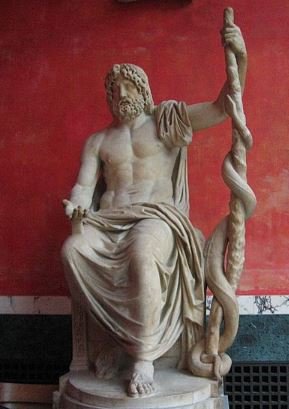
Asclepius
Amulets and Charms
Superstition was also widespread in Roman Britain, with people wearing amulets or carrying charms to ward off illness or evil spirits. These objects, often inscribed with symbols or prayers, were thought to protect the wearer from harm or bring them good health. Archaeological finds of such items in graves and settlements suggest that belief in supernatural protection was a significant aspect of daily life.

Public Health and Sanitation
The Romans were known for their public health measures, particularly in cities and military forts. They constructed aqueducts, baths, and latrines to promote hygiene and prevent the spread of disease. While these measures undoubtedly improved public health, they were not foolproof, and outbreaks of disease still occurred.
In towns and cities, public baths were central to Roman life. People would visit these baths not only to clean themselves but also to socialize and relax. However, the communal nature of the baths meant that diseases could spread easily, particularly skin infections or respiratory illnesses.
Latrines, often connected to sewage systems, were a significant improvement over the open defecation that was common in many other ancient societies. Still, sewage often contaminated water supplies, leading to outbreaks of diseases like dysentery.
Frequently asked questions
Roman medicine, though lacking in scientific training, played an important role in the development of healthcare. Their combination of diet, hygiene, herbal remedies, and surgical techniques laid the foundation for future advancements in medicine, especially in surgery and pharmacology.
Below are some frequently asked questions about medical practices of the period:
What role did herbal remedies play in Roman medical care?
Herbal remedies were widely used in Roman medicine, and people often treated illnesses with medicinal plants. Care was typically provided by relatives and friends using knowledge of local herbs to alleviate various ailments.
What factors did the Romans believe contributed to maintaining good health?
The Romans believed that environment, diet, exercise, and hygiene were essential for maintaining health. They emphasized proper sanitation and hygiene, with towns equipped with latrines, sewage systems, and public baths.
How did Romans combine spiritual practices with their approach to healthcare?
In addition to practical treatments, Romans visited healing shrines to appeal to gods like Aesculapius, the Roman god of medicine, for cures. These spiritual practices were a significant part of Roman healthcare, blending faith with traditional medicine.
Was there formal medical training in Roman Britain?
No, there was no formal system of medical training in Roman Britain. Human anatomy and the causes of disease were poorly understood, which limited the effectiveness of many treatments.
What challenges did the lack of medical training in Roman Britain lead to?
The absence of formal medical training led to the presence of fraudulent doctors who offered ineffective or harmful treatments. This lack of scientific understanding posed challenges for providing effective healthcare.
What medical advancements were made during the Greco-Roman period?
Despite the challenges, Greco-Roman healthcare made significant advancements in dietetics (the study of food and health), pharmacology (the study of medicines), and surgery. These fields saw notable progress, even without full scientific knowledge.
How did Roman doctors view the relationship between diet and health?
Roman doctors believed that diet played a critical role in maintaining health by balancing the body’s four humors: blood, phlegm, yellow bile, and black bile. They often advised dietary changes to promote healing and restore balance to the body.
What types of surgical instruments have been found in Roman Britain, and what do they suggest about Roman medical practices?
Archaeological excavations in Britain have uncovered a range of surgical instruments such as scalpels, forceps, and probes, indicating that Roman doctors performed surgeries for wounds, fractures, and eye conditions. These tools suggest a relatively advanced understanding of surgical procedures for the time.
What specialized treatments were available in Roman Britain?
Specialized treatments, such as eye ointments, were available in Roman Britain. Stone stamps used to mark these ointments have been found, highlighting the focus on specific medical conditions.
How did Roman surgical procedures compare to modern standards?
Although Roman surgical procedures were primitive compared to modern standards, they represented the best medical care available at the time. The surgical techniques and instruments used in Roman Britain remained in practice for centuries.