Caratacus: The British chieftain of the Catuvellauni tribe

Caratacus stands out as a significant figure in British history, embodying the resistance against Roman imperialism.
Caratacus, also known as Caractacus, stands as a pivotal figure in early British history, renowned for his unwavering resistance against the Roman conquest of Britain in the 1st century AD.
As a chieftain of the Catuvellauni tribe, Caratacus’s leadership and military prowess were instrumental in both the expansion of his tribe’s territory and the formidable opposition he mounted against one of the most powerful empires of the ancient world.
His legacy transcends mere military achievements, embodying the spirit of resistance and the complexities of tribal politics in pre-Roman Britain.
Early Life and Ascension to Leadership
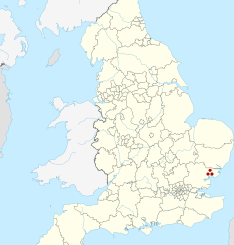
Caratacus was born into the ruling lineage of the Catuvellauni, a powerful tribe situated in what is now Hertfordshire, England. He was the son of Cunobelinus (also known as Cogidubnus), the king of the Catuvellauni, a position that provided him with both the lineage and the opportunity to ascend to leadership.
His early life was marked by the influence of his uncle, Epaticcus, who played a significant role in expanding the tribe’s influence and consolidating power.
Under Epaticcus’s mentorship, Caratacus was likely groomed for leadership, learning the intricacies of tribal governance and warfare. Epaticcus’s expansionist policies saw the Catuvellauni extending their control westward, particularly into the territories of the Atrebates, a neighboring tribe.
This period of expansion not only increased the Catuvellauni’s territorial holdings but also set the stage for future conflicts with both neighboring tribes and the impending Roman invaders.
Expansion of Catuvellauni Territory
Following the death of Epaticcus around AD 35, Caratacus took the helm of the Catuvellauni’s military and political ambitions. Building on his uncle’s groundwork, he continued the aggressive expansion into Atrebates territory.
The Atrebates, under the leadership of Verica, initially resisted this encroachment, managing to reclaim some of their lands temporarily. However, Caratacus’s strategic acumen and military strength ultimately subdued the Atrebates, forcing Verica to flee to Rome.
This subjugation of the Atrebates not only solidified the Catuvellauni’s dominance in the region but also had significant geopolitical repercussions. Verica’s appeal to Roman Emperor Claudius for assistance provided the Romans with both a pretext and a catalyst for their intensified invasion of Britain. Caratacus’s expansionist policies, while initially successful, inadvertently set the stage for the largest conflict Britain would face in antiquity.
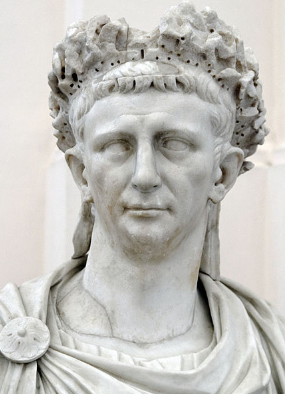
Claudius (10 BC – 54 AD) was the fourth emperor of Rome.
The Roman Invasion of Britain
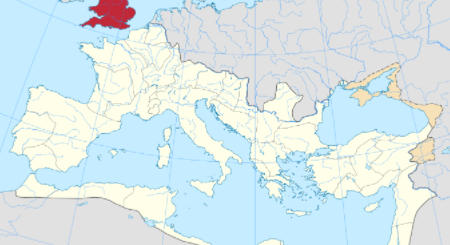
The Roman invasion of Britain in AD 43 was a meticulously planned military campaign led by the general Aulus Plautius. Officially, the invasion was justified as a response to Verica’s request for assistance, positioning Rome as a savior against internal tribal conflicts. However, underlying motives included the Roman Empire’s desire to expand its boundaries, exploit Britain’s resources, and secure its western frontier.
Caratacus was a 1st-century AD British chieftain of the Catuvellauni tribe who expanded his territory before the Roman invasion.
Caratacus, aware of the Roman threat, mobilized his forces to defend his tribe and the broader British resistance. The initial phase of the invasion saw Roman legions landing on the southeastern coast, targeting Caratacus’s stronghold at Camulodunon (modern-day Colchester). This settlement had been the administrative center under Cunobelinus and remained a symbol of Catuvellauni power.
READ MORE: Most Renowned Ancient Roman Emperors and their Accomplishments
Military Strategies and Early Campaigns
Facing a formidable Roman force estimated at around 40,000 soldiers across four legions, Caratacus and his brother Togodumnus adopted guerrilla warfare tactics.
These unconventional methods leveraged the British terrain’s advantages, including dense forests, marshlands, and rough landscapes that were inhospitable to the heavily armored Roman legions. Ambushes, hit-and-run attacks, and sabotage of Roman supply lines were hallmark strategies employed by Caratacus to undermine the invaders’ strength.
These tactics proved initially effective, allowing the British forces to inflict significant casualties and disrupt Roman operations. However, the disciplined and well-coordinated Roman military machine gradually adapted to these challenges. Persistent skirmishes, coupled with strategic offensives by the Romans, began to erode the British resistance’s effectiveness.
Key Battles and Turning Points
Two pivotal battles marked the turning point in Caratacus’s military campaign against Rome: the Battle of the River Medway and the Battle of the River Thames.
In the Battle of the River Medway in 43 AD, Roman forces achieved a decisive victory, effectively breaking the back of the Catuvellauni’s guerrilla resistance. This defeat not only resulted in substantial British casualties but also diminished the morale and logistical capabilities of Caratacus’s forces.
The subsequent Battle of the River Thames further solidified Roman dominance. Although traditional accounts, particularly those by Tacitus, suggest that Togodumnus was killed in this conflict, some modern scholars propose that he may have survived and been installed by the Romans as a cooperative ruler, potentially identified as Cogidubnus in historical records.
Regardless of Togodumnus’s fate, these defeats significantly weakened the Catuvellauni’s hold over their territories, leading to the establishment of Colonia Victricensis (modern-day Colchester) as the first Roman colonia in Britain.
Continued Resistance and Alliance with Welsh Tribes
Undeterred by earlier setbacks, Caratacus refused to capitulate. He sought to rejuvenate the British resistance by forging alliances with other tribes, notably the Silures and Ordovices in Wales. This coalition aimed to create a unified front against the Roman governor Publius Ostorius Scapula, who was tasked with consolidating Roman control over Britain.
Caratacus’s leadership in these alliances was marked by coordinated military campaigns and strategic planning. The resistance movement sought to exploit the difficult Welsh terrain once more, hoping to replicate earlier successes against Roman forces.
Despite these efforts, the Roman military apparatus, now more adept at countering guerrilla tactics, continued to press the British tribes, systematically dismantling pockets of resistance.
The Final Battle and Capture
The culmination of Caratacus’s prolonged resistance occurred around AD 50 during a decisive conventional battle in Ordovician territory. Unlike previous engagements characterized by guerrilla tactics, this confrontation involved open-field combat, where Roman legions could leverage their superior training and organization. The British forces, though valiant, were ultimately overwhelmed by the disciplined Roman soldiers.
Caratacus’s successes prompted Rome to intervene, supporting his rivals. He resisted for nearly a decade with guerrilla tactics but was defeated in battle.
During the battle, Caratacus’s family suffered significant losses: his wife and daughter were captured, and his brothers surrendered. Although Caratacus initially managed to escape the battlefield, his flight was short-lived. He sought refuge among the Brigantes, a prominent tribe in what is now Yorkshire, expecting sanctuary under their queen, Cartimandua.
However, this refuge turned into betrayal. Queen Cartimandua, motivated by political considerations and Roman alliances, captured Caratacus and delivered him into Roman custody. This act of treachery not only marked the end of Caratacus’s active resistance but also had broader implications for the stability of Roman rule in Britain. The betrayal incited revolts among the Brigantes, led by Venutius, Cartimandua’s former husband, further complicating Roman efforts to pacify southern Britain.
Caratacus’s Imprisonment and Speech in Rome
Upon his capture, Caratacus was taken to Rome as a war prize, a fate that typically resulted in execution following a triumphal parade celebrating the emperor’s victory. However, Caratacus’s intelligence, charisma, and eloquence set him apart from other captives. He was granted the rare opportunity to address the Roman Senate, where he delivered a speech that would immortalize his legacy.
In his address, as recorded by Tacitus, Caratacus argued that his resistance had inadvertently enhanced Rome’s glory by demonstrating their capacity to conquer a formidable and steadfast foe. He emphasized his noble heritage, the justness of his cause, and the dignity of his people. Caratacus’s rhetoric appealed to the virtues of magnanimity and justice, persuading Emperor Claudius to spare his life.
Impressed by his demeanor and persuasive speech, Claudius decided to pardon Caratacus, allowing him to live in Rome rather than face execution. This decision was significant, reflecting a blend of respect for Caratacus’s leadership and strategic Roman diplomacy aimed at pacifying remaining resistance by showcasing clemency.
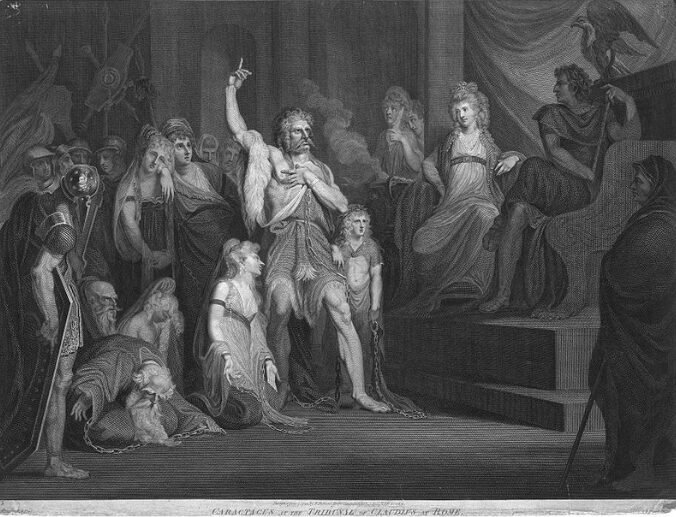
Fleeing to Queen Cartimandua, Caractacus was captured and handed to the Romans. Before execution, his speech persuaded Emperor Claudius to spare him. His speech inspired visual art. Image: Andrew Birrell (after Swiss painter Henry Fuseli), Caractacus at the Tribunal of Claudius at Rome (1792)
Life in Rome and Subsequent Influence
After his pardon, Caratacus was given a place of honor in Rome. Historical accounts, particularly those by Dio Cassius, suggest that Caratacus developed a deep appreciation for Roman civilization. He is reported to have expressed admiration for Rome’s wealth and sophistication, contrasting it with the simplicity of British life. This sentiment indicates a complex personal transformation, moving from a fierce resistance leader to a figure who recognized the grandeur of the Roman Empire.
Caratacus’s presence in Rome also served as a symbolic gesture, illustrating the Empire’s capacity for mercy and the integration of defeated leaders into the Roman fold. His acceptance into Roman society may have been intended to encourage other tribal leaders to submit peacefully, reducing the need for further military campaigns.
Legacy and Historical Significance
Caratacus’s legacy is multifaceted, encompassing his role as a military leader, a symbol of resistance, and a cultural icon. His life and campaigns against Rome exemplify the broader struggle of indigenous tribes against imperial expansion. Caratacus’s ability to unify different tribes and sustain resistance for nearly a decade underscores his strategic acumen and charismatic leadership.
Historically, Caratacus is often contrasted with other tribal leaders who either succumbed to Roman rule or collaborated with the invaders. His refusal to compromise until his eventual capture and his dignified acceptance of defeat have cemented his reputation as a national hero in British folklore and historical memory.
Cultural Impact and Representation
Beyond historical texts, Caratacus has been immortalized in various cultural and artistic mediums. His story has inspired literature, poetry, operas, and modern media, reflecting his enduring influence as a symbol of bravery and resistance. For instance, William Mason’s 1759 poem “Caractacus” and Johann Christian Bach’s opera “Carattaco” (1767) are early examples of his cultural portrayal. These works often emphasize his noble character and tragic struggle against overwhelming odds.
In contemporary times, Caratacus’s legacy continues to inspire authors, artists, and even video game creators. His portrayal ranges from a heroic resistance fighter to a complex character navigating the challenges of empire and personal honor. This diverse representation underscores the universal themes embodied in his life: leadership, resilience, and the human spirit’s capacity to confront adversity.
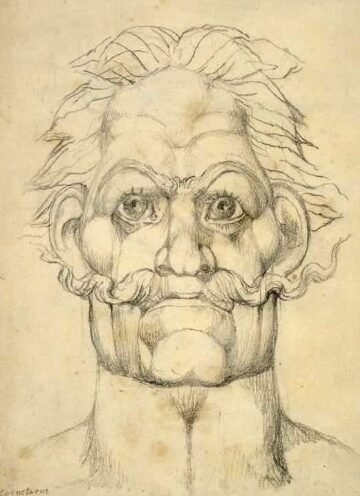
English poet and painter William Blake’s vision of Caratacus from his series of illustrations called the Visionary Heads
Influence on British National Identity
Caratacus’s story has also played a role in shaping British national identity, particularly in the context of anti-colonial narratives and the valorization of indigenous resistance.
His defiance against a powerful invader resonates with later historical movements seeking autonomy and self-determination. As such, Caratacus is often invoked as an early exemplar of British resistance against foreign domination, reinforcing narratives of national pride and independence.
Archaeological and Historical Research
Modern archaeological efforts and historical research continue to shed light on Caratacus’s life and campaigns. Sites associated with his battles, such as Camulodunon (Colchester) and proposed locations like Blodwel Rocks in Powys, are subjects of ongoing study. These investigations aim to corroborate historical accounts, providing tangible evidence of his military strategies and the broader context of Roman-British interactions.
Historians also engage in debates regarding the accuracy of ancient sources like Tacitus and Dio Cassius, analyzing their accounts for biases and corroborating details with archaeological findings. Such research endeavors enhance the understanding of Caratacus’s impact and the dynamics of Roman conquest in Britain.
READ MORE: Queen Boudicca’s Revolt, According to Tacitus
Comparative Analysis with Other Tribal Leaders
Comparing Caratacus with other contemporary tribal leaders offers deeper insights into the nature of resistance against Rome. Leaders like Boudica, who led a significant revolt against Roman rule in AD 60-61, share similarities with Caratacus in their fierce opposition and tragic fates. However, Caratacus’s earlier resistance provides a foundational narrative that precedes and perhaps influences later rebellions.
This comparative analysis highlights the recurring patterns of indigenous resistance, the Roman military’s adaptability, and the complex relationships between conquered tribes and the Empire. It also underscores the individual agency of leaders like Caratacus in shaping their people’s destinies amidst imperial expansion.
READ MORE: Decline of Roman Britain and the rise of Anglo-Saxon England
Conclusion
Caratacus’s life and military career encapsulate a critical chapter in Britain’s resistance to Roman conquest. As a chieftain of the Catuvellauni tribe, his strategic leadership, ability to unify diverse tribes, and sustained opposition against Rome underscore his importance in British history. His eventual capture and dignified acceptance of defeat, coupled with his eloquent speech in Rome, highlight his complex character and enduring legacy.
Frequently Asked Questions

Caractacus before the Emperor Claudius at Rome, 18th-century print, artist unknown (British Museum).
Who was Caratacus’s father, and what role did his uncle Epaticcus play in the expansion of the Catuvellauni tribe?
Caratacus was the son of Cunobelinus, the king of the Catuvellauni tribe, as noted by Dio Cassius. His uncle Epaticcus acted as his protégé, expanding the tribe’s power westwards from Verulam (modern St. Albans) into the territory of the Atrebates. After Epaticcus’s death around AD 35, Caratacus continued this expansion, ultimately subduing the Atrebates.
What event prompted Emperor Claudius to launch the Roman invasion of Britain in AD 43?
After Caratacus subdued the Atrebates, their leader Verica fled to Rome and appealed to Emperor Claudius for assistance. This plea served as the pretext for Claudius to launch the Roman invasion of Britain in AD 43, targeting Caratacus’s stronghold at Camulodunon (present-day Colchester), which had been ruled by his father Cunobelinus.
What was the initial military strategy employed by Caratacus and his brother Togodumnus against the Roman forces?
Caratacus and his brother Togodumnus initially employed guerrilla warfare tactics to defend their territory against the Roman forces led by Aulus Plautius. Despite their efforts, they suffered significant defeats in the crucial battles of the River Medway and the River Thames. Togodumnus was reportedly killed in these conflicts, although some scholars argue he may have survived and been installed as a cooperative ruler by the Romans.
What was the fate of Togodumnus after the battles against the Romans?
While traditional accounts state that Togodumnus was killed in battle, scholars like Miles Russell and John Hind argue that he may have survived. They suggest that Togodumnus was later installed by the Romans as a cooperative ruler, possibly identified as Cogidubnus in Tacitus’s accounts, thereby maintaining some level of Catuvellauni leadership under Roman oversight.
How did Caratacus continue his resistance after the initial Roman victories, and what led to his eventual capture?
After the initial defeats, Caratacus continued his resistance by aligning with the Silures and Ordovices tribes in Wales against the Roman governor Publius Ostorius Scapula. His resistance persisted until AD 50, when Scapula decisively defeated him in a conventional battle within Ordovician territory. During this confrontation, Caratacus’s wife and daughter were captured, and his brothers surrendered. Caratacus initially escaped but was later betrayed by Queen Cartimandua of the Brigantes, who captured and handed him over to the Romans.
According to Tacitus, how did Caratacus choose his final battlefield?
Tacitus describes Caratacus’s final battle as taking place in a location with steep mountains, rocky defenses, and a challenging ford, making it unsuitable for Roman tactics. While legends associate this battle with sites like Caer Caradoc near Church Stretton or British Camp in the Malvern Hills, these locations do not match Tacitus’s descriptions. Consequently, scholars have proposed alternative sites such as Blodwel Rocks in Powys as more accurate representations of the battlefield.
What was the outcome of Caratacus’s speech to the Roman Senate, and how did it affect his fate?
Upon his capture, Caratacus was taken to Rome and expected to be executed following a triumphal parade. However, he addressed the Roman Senate, arguing that his resistance enhanced Rome’s glory by demonstrating their ability to conquer formidable foes. His eloquent speech impressed Emperor Claudius, who decided to pardon him, allowing Caratacus to live in Rome instead of executing him.
How is Caratacus’s legacy preserved in medieval Welsh traditions?
Caratacus’s legacy is preserved in medieval Welsh genealogies, such as the Welsh Harley MS 3859, which list him as the son of Cunobelinus and the grandson of Tasciovanus. Unlike Geoffrey of Monmouth’s “History of the Kings of Britain,” which does not feature Caratacus, Welsh literature connects him nominally to characters like Arviragus.
Additionally, figures such as Caradog, son of Bran, appear in Welsh literature and are linked to Caratacus, though these connections are primarily nominal without corresponding historical events.

Caratacus leadership, strategic prowess, and eloquent defiance not only shaped the course of British-Roman interactions but also left a lasting imprint on cultural and literary traditions. Image: Caradog watercolour painting by Thomas Prydderch.
In what ways has Caratacus influenced modern traditions and artistic works?
In modern traditions, Caratacus is associated with the introduction of Christianity to Britain, a notion popularized by the 18th-century Welsh antiquarian Iolo Morganwg.
Some British Israelite groups incorporate him into narratives linking British ancestry to the lost tribes of Israel. Artistically, Caratacus has inspired various works, including William Mason’s poem “Caractacus” (1759), Johann Christian Bach’s opera “Carattaco” (1767), and Edward Elgar’s cantata “Caractacus” (1897–98).
Additionally, he appears in contemporary novels, operas, and even video games, symbolizing resistance and leadership across different media.