Mesopotamian City-State of Ur: History and Major Facts
Ur, one of ancient Mesopotamia’s most renowned city-states, played a pivotal role in the development of early urban civilization. Situated on the fertile plains between the Euphrates and Tigris rivers, Ur thrived through strategic trade, architectural innovation, and political influence. Its rich history spans several millennia, marked by periods of prosperity, conquest, and cultural flourishing. Today, Ur stands as a testament to the ingenuity and complexity of early Mesopotamian societies.

Ur was a significant Sumerian city-state in ancient Mesopotamia, located at modern Tell el-Muqayyar in southern Iraq.
READ MORE: Timeline of Ancient Mesopotamia
Early Settlements and the Ubaid Period
The origins of Ur trace back to the Ubaid period (c. 5500–3700 BC), a formative era in southern Mesopotamia. During this time, the region saw the establishment of some of the earliest large settlements, characterized by distinctive pottery and architectural styles.
Ur’s initial inhabitants benefited from a marshy environment, which provided abundant natural resources without the immediate need for extensive irrigation systems. This period laid the groundwork for the city’s later expansion and urban development.
Development during the Early Dynastic Period
By the Early Dynastic period (c. 2900 BC), Ur had evolved into a significant urban center. This era was marked by the emergence of proto-cuneiform writing and the use of cylinder seals, which facilitated administration and trade. The construction of monumental architecture, including temples and defensive walls, underscored Ur’s growing political and economic influence. The city’s strategic location near the Euphrates facilitated trade with neighboring regions, enhancing its wealth and connectivity.
First Dynasty of Ur
The First Dynasty of Ur, documented in the Sumerian King List, highlights the city’s early political prominence. Kings such as Mesannepada played crucial roles in consolidating Ur’s power, establishing it as a dominant force in southern Mesopotamia. This dynasty is notable for its advancements in governance, infrastructure, and cultural developments. The wealth amassed during this period is evident in the luxurious artifacts and elaborate burial practices uncovered in Ur’s Royal Cemetery.
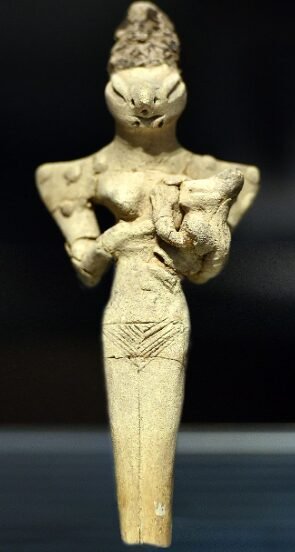
Once near the Persian Gulf, Ur is now inland along the Euphrates, 16 km from Nasiriyah. The city dates back to the Ubaid period (c. 3800 BC) and is recorded as a city-state from the 26th century BC, with King Tuttues (Mesannepada) as its earliest known ruler. Image: Lizard-headed nude woman nursing a child, from Ur, Ubaid period, c. 4500–4000 BC; Iraq Museum
Integration into the Akkadian Empire
Ur’s autonomy shifted with the rise of the Akkadian Empire under Sargon the Great in the 24th century BC. As part of this expansive empire, Ur became a melting pot of Sumerian and Akkadian cultures. The Akkadian influence introduced new administrative practices, artistic styles, and linguistic elements, fostering a blended cultural identity. This integration enhanced Ur’s status within the empire, allowing it to benefit from broader economic and military networks.
READ MORE: Major Accomplishments of the Akkadian Empire
The Third Dynasty of Ur: A Golden Age
The Third Dynasty of Ur (c. 2047–1940 BC) is often regarded as the city’s golden age. Under the leadership of Ur-Nammu and his son Shulgi, Ur experienced unprecedented growth and stability.
Ur-Nammu is credited with constructing the iconic Ziggurat of Ur and instituting one of the earliest known legal codes, the Code of Ur-Nammu. Shulgi continued these advancements, centralizing the administration and promoting cultural and scientific achievements. This period solidified Ur’s legacy as a beacon of Mesopotamian civilization.

The Great Ziggurat of Ur (Dhi Qar Governorate, Iraq), built during the Third Dynasty of Ur (Neo-Sumerian Renaissance, c. 2100 BC), dedicated to the moon god Nanna
Cultural Achievements and Architectural Innovations
Ur was a hub of cultural and technological innovation. The construction of the Ziggurat of Ur exemplifies the architectural prowess of its inhabitants, serving both religious and administrative functions. The city also made significant contributions to literature, law, and the arts.
The development of cuneiform writing in Ur facilitated record-keeping, literature, and communication, laying the foundation for future civilizations. Artistic achievements, such as the intricate Lyres of Ur, reflect the sophisticated craftsmanship and aesthetic sensibilities of Ur’s people.
Decline and Subsequent Rule
Following the decline of the Third Dynasty, Ur faced invasions and shifting political landscapes. The city was intermittently controlled by various powers, including the Amorites, Sealand Dynasty, Kassites, and Assyrians. Each ruling entity left its mark on Ur, influencing its administrative structures, cultural practices, and economic policies. Despite these changes, Ur maintained its significance as a center of trade and religious activity, adapting to the evolving geopolitical dynamics of the region.
Ur in the Iron Age and Neo-Babylonian Period
During the Iron Age, Ur continued to be an important urban center under Neo-Assyrian and Neo-Babylonian rule. Notable rulers like Nebuchadnezzar II and Nabonidus undertook restoration projects, particularly the reconstruction of the Ziggurat of Ur. These efforts aimed to revive Ur’s religious and cultural significance. However, the city’s prominence waned due to environmental challenges, such as river silting and drought, as well as changing trade routes that diminished its economic importance.

Ur’s notable Ziggurat, built by Ur-Nammu in the 21st century BC, housed Nanna’s shrine and was later restored by Nabonidus, Babylon’s last king, in the 6th century BC. Image: Nabonidus, detail of a stele in the British Museum, probably from Babylon, Iraq
Ur in Biblical Tradition
Ur holds a significant place in Biblical tradition, identified as “Ur of the Chaldees,” the purported birthplace of the patriarch Abraham. This association links Ur to the broader narrative of the Abrahamic religions, although scholarly debate persists regarding the exact location. Alternative theories suggest other Mesopotamian sites as the true Ur of the Bible. Regardless of its precise identification, Ur’s legendary status underscores its enduring influence on religious and cultural histories.

Ur is possibly identified as “Ur Kasdim” from Genesis, the birthplace of Abraham, a key patriarch in Jewish and Muslim traditions from the 2nd millennium BC. However, scholars debate this, suggesting other sites like Şanlıurfa, Urkesh, Urartu, or Kutha. Image: “Abraham’s House” in Ur
Archaeological Discoveries and Excavations
Modern archaeology has unearthed Ur’s rich heritage through extensive excavations. Pioneering work by British archeologist Leonard Woolley between 1922 and 1934 revealed the city’s grandeur, including the Royal Tombs and significant artifacts like the Standard of Ur and Queen Puabi’s burial site.
These discoveries provided invaluable insights into Ur’s social structures, religious practices, and daily life. Subsequent excavations have continued to uncover layers of Ur’s history, contributing to our understanding of ancient Mesopotamian civilization.
Major Artifacts and Their Significance
Ur is renowned for its extraordinary artifacts, which offer a glimpse into its opulent past. The Lyres of Ur, with their intricate designs and craftsmanship, highlight the city’s musical and artistic heritage.
The Standard of Ur, a multi-panel artifact depicting scenes of war and peace, provides insight into Ur’s societal organization and military endeavors.
Additionally, the treasures found in the Royal Tombs, including jewelry and imported goods, attest to Ur’s extensive trade networks and economic prosperity.

The Standard of Ur in the British Museum
Modern Preservation and Heritage Efforts
Preserving Ur’s archaeological legacy remains a priority amidst challenges such as environmental degradation and regional conflicts. International collaborations, including efforts by the Global Heritage Fund and partnerships between universities and Iraqi authorities, aim to protect and conserve the site.
Restoration projects focus on stabilizing key structures like the Ziggurat of Ur and the Royal Tombs, ensuring that future generations can continue to study and appreciate this ancient city. These initiatives also seek to promote Ur as a cultural heritage destination, fostering tourism and educational opportunities.
READ MORE: History and major facts about Ziggurats in Ancient Mesopotamia
Did you know…?
- The Torah mentions “Ur of the Chaldees,” though the Chaldeans settled the area around 850 BC, long after Abraham’s time.
- Pope John Paul II’s planned visit was canceled due to disputes with Saddam Hussein’s government, whereas Pope Francis successfully visited Ur in March 2021.
Conclusion
The city-state of Ur stands as a cornerstone of ancient Mesopotamian civilization, embodying the complexities and achievements of early urban societies. From its humble beginnings in the Ubaid period to its zenith during the Third Dynasty, Ur exemplifies the interplay of political power, economic prowess, and cultural innovation. Archaeological discoveries continue to illuminate its rich history, while modern preservation efforts strive to safeguard its legacy.
Frequently Asked Questions

Ur’s enduring significance, both historically and culturally, underscores its pivotal role in shaping the foundations of human civilization. Image: Wall plaque from Ur, 2500 BC; the British Museum
What period marks the earliest known settlement of Ur?
Ur dates back to the Ubaid period (c. 5500–3700 BC), when early settlers thrived in a marshy environment that required no irrigation.
What significant discoveries were made in the Royal Tombs of Ur?
The Royal Tombs contained treasures like jewelry, items made of precious metals, and semi-precious stones from distant regions such as Iran, India, and the Levant, demonstrating Ur’s economic and cultural prominence during the Early Bronze Age.
What was the significance of the Lyres of Ur?
The Lyres of Ur, bull-shaped stringed instruments, highlight Ur’s artistic sophistication and provide insight into its musical traditions.

Circa 2350 BC, Ur was situated near the Euphrates mouth, close to the regions of Sumer and Elam.
Who was Mesannepada, and why is he significant?
Mesannepada was a king during the First Dynasty of Ur, noted for solidifying the city’s status as a powerful and wealthy political entity.
What were the key achievements of the Third Dynasty of Ur?
The Third Dynasty, under rulers like Ur-Nammu and Shulgi, saw the construction of the Ziggurat of Ur, advancements in agriculture, centralized governance, and the creation of one of the oldest known legal codes.
What caused the decline of Ur after its golden age?
Ur’s decline was influenced by shifting trade routes, changing river patterns, droughts, and conquests by empires such as the Amorites, Kassites, and Assyrians.
What is the Ziggurat of Ur, and why is it significant?
The Ziggurat of Ur, built by Ur-Nammu, is an iconic architectural and religious structure, representing the city’s devotion to the moon god Nanna.

Its patron deity was Nanna (Sin), the moon god, and its name means “abode of Nanna.” Image: The Adda Seal, an ancient Akkadian cylinder seal showing (from left to right) Inanna, Utu, Enki, and Isimud (circa 2300 BC)
What role does Ur play in Biblical tradition?
Ur is traditionally identified as “Ur of the Chaldees,” the birthplace of the patriarch Abraham. However, this identification remains debated among scholars.
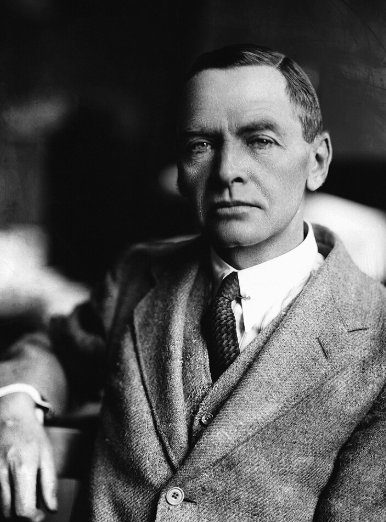
British archeologist Leonard Woolley’s excavations (1922–1934) unearthed artifacts like the Standard of Ur and Queen Puabi’s tomb, providing invaluable insights into Ur’s burial practices and societal wealth. Image: Standard of Ur, British Museum London.
What are modern efforts to preserve Ur’s archaeological heritage?
Collaborative initiatives between international teams and local authorities focus on conserving Ur’s ruins and transforming it into a cultural heritage site for tourism and education.





