Metropolitan Museum of Art
The Metropolitan Museum of Art, commonly known as the Met, is one of the world’s most prestigious art museums. Located in New York City, it ranks as one of the largest museums globally by floor area and the largest in the Americas. With over 5 million visitors in 2024, it remains the most-visited museum in the United States. The museum houses an encyclopedic collection spanning multiple centuries, cultures, and artistic disciplines.
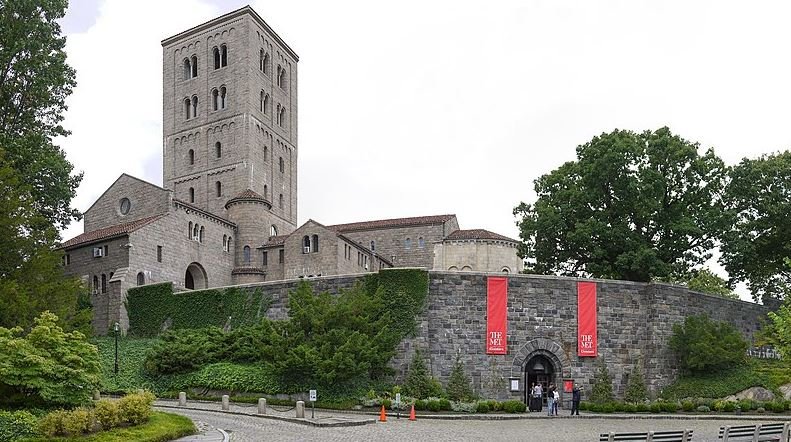
Cloisters of the Metropolitan Museum of Art.
History and Founding
Founded in 1870 by a group of American philanthropists, artists, and businessmen, the Met was conceived as an institution dedicated to inspiring and educating the public through art. It officially opened in 1872 at 681 Fifth Avenue before moving to its current location along Museum Mile, on the eastern edge of Central Park, in 1880. Over the years, it has grown both in size and reputation, acquiring a vast collection and expanding its physical space through numerous renovations and additions.
Architecture and Locations
The Met’s main building at 1000 Fifth Avenue is an architectural marvel covering nearly 2 million square feet. It features a Beaux-Arts facade designed by Richard Morris Hunt and later expansions by McKim, Mead & White. The museum also operates The Cloisters in Fort Tryon Park, dedicated to medieval European art and architecture. The museum’s structure has evolved through continuous renovations, with its vast galleries showcasing diverse artistic traditions.
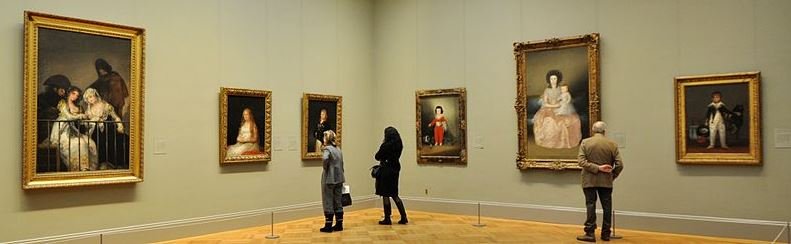
Art collections at the museum.
Collection and Departments
The Met’s permanent collection consists of approximately 1.4 million works, organized into 17 curatorial departments. These include:
- Ancient Near Eastern Art: Featuring artifacts from Mesopotamia, Babylon, Assyria, and Persia.
- Arts of Africa, Oceania, and the Americas: Highlighting indigenous cultures and pre-Columbian artifacts, including the Rockefeller Wing’s extensive collection.
- Asian Art: With over 34,000 pieces spanning over 3,800 years, including Chinese calligraphy, Japanese prints, and Indian sculptures.
- Egyptian Art: Home to more than 26,000 objects, including the famous Temple of Dendur.
- Greek and Roman Art: Featuring classical sculptures, frescoes, and ceramics.
- Islamic Art: A collection of decorative arts, calligraphy, and illuminated manuscripts, including the famed Blue Qur’an.
- European Paintings and Sculptures: Featuring works by Old Masters like Rembrandt, Vermeer, and Caravaggio, as well as Impressionists such as Monet and Van Gogh.
- American Art: Including portraits, landscapes, and decorative arts from colonial times to the early 20th century.
- Modern and Contemporary Art: Encompassing Cubist, Abstract Expressionist, and contemporary works.
- Costume Institute: Housing an extensive collection of historical and contemporary fashion, known for the annual Met Gala.
- Arms and Armor: Displaying European and Asian medieval armor and weaponry.
- Musical Instruments: Showcasing instruments from various cultures and periods.
- Drawings and Prints: Featuring a vast collection of etchings, lithographs, and sketches.

The “Washington Crossing the Delaware”, a painting by German-American painter Emanuel Leutze, can be found at the museum.
African Art: History, Characteristics, Famous Works, & Major Facts
Special Exhibitions and Cultural Impact
The Met regularly hosts special exhibitions featuring borrowed works from other institutions and private collections. These exhibitions cover various themes, from historical retrospectives to contemporary art movements. Additionally, the museum’s MetLiveArts program integrates performing arts within its galleries, enhancing visitor engagement.
In 2018, the Met introduced a fixed admission fee for non-New York residents while maintaining free access for state residents, aiming for financial sustainability.
Digital and Educational Initiatives
In recent years, the Met has expanded its digital presence, making a significant portion of its collection available online. The museum’s Open Access Initiative allows free use of over 370,000 images of public-domain artworks. It also maintains extensive research libraries, including the Thomas J. Watson Library, providing resources for scholars and the public.
The Met has dealt with controversies over the provenance of certain artworks, leading to repatriations and adjustments in acquisition policies.
Challenges and Controversies
Like many cultural institutions, the Met has faced challenges regarding provenance and repatriation of looted artifacts. It has returned various objects to their countries of origin, including Egyptian, Greek, and Italian antiquities. Additionally, the museum has been scrutinized for its funding sources and admission policies, which shifted in 2018 to charge non-New York State residents a fixed entry fee.
Frequently Asked Questions
What is the significance of the Metropolitan Museum of Art?
The Met is one of the world’s largest and most prestigious art museums, housing an encyclopedic collection spanning multiple cultures and historical periods.
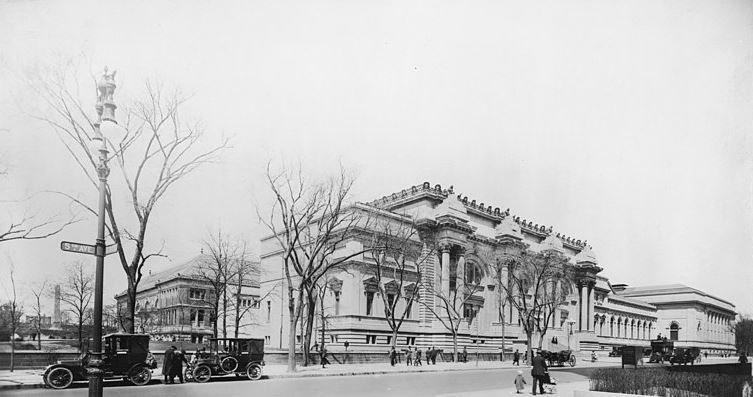
A 1914 photograph of the museum.
When was the Met founded, and what was its original purpose?
Founded in 1870, the Met was established to inspire and educate the public through art, driven by American philanthropists, artists, and businessmen.
What are the two main locations of the Met?
The primary location is at 1000 Fifth Avenue, and The Cloisters in Fort Tryon Park specializes in medieval European art and architecture.
What are some notable collections housed at the Met?
The museum features collections from Ancient Egypt, Greek and Roman art, European paintings, Islamic art, Asian art, and the American Wing, among others.
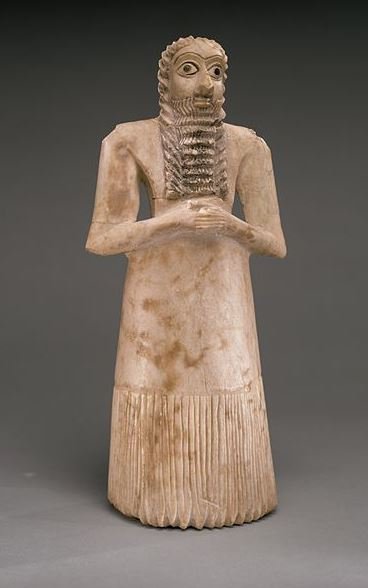
At the museum, there is a votive figure of a standing male worshiper, originating from ancient Mesopotamia and dating between 2750 and 2600 BCE.
How does the Met engage with digital and educational initiatives?
Through its Open Access Initiative, the Met provides free access to over 370,000 images online, along with extensive research libraries and educational programs.
What role do special exhibitions play at the Met?
Special exhibitions showcase borrowed works and thematic retrospectives, offering fresh perspectives on historical and contemporary art.





