Opening of the mouth ceremony in ancient Egypt
The Opening of the Mouth ceremony was a key ancient Egyptian funerary ritual described in texts like the Pyramid Texts and practiced from the Old Kingdom to the Roman Period. It was conducted to restore the senses of the deceased, enabling them to perform essential functions such as speaking, seeing, eating, and breathing in the afterlife. The ritual involved symbolic gestures, tools, and offerings, often linking themes of rebirth and renewal. Central practices included touching specific body parts, such as the mouth and eyes, with ceremonial instruments, and performing acts symbolizing new beginnings, such as offering animal sacrifices.
Religious Significance of the ceremony
The ancient Egyptians believed that the journey to the afterlife required navigating through the duat—a perilous realm filled with trials and dangerous creatures. To prepare, individuals were provided with magical spells and instructions inscribed in coffin texts to guide them.
The Pyramid Texts, Coffin Texts, and the Book of the Dead describe the ritual, detailing spells, tools, and its importance for the deceased’s journey in the afterlife.
The deceased needed their physical senses to succeed in these trials. The Opening of the Mouth ceremony was a spiritual act believed to restore these senses. Without them, the deceased could not speak to the gods, recite their innocence, or partake in nourishment.
The ritual incorporated elements of childbirth to emphasize rebirth. For instance:
- The use of tools like the peseshkef, originally for cutting umbilical cords, symbolized new life.
- The act of offering milk or water mirrored an infant’s initial nourishment, signifying renewal.

Ay, a pharaoh of ancient Egypt, dressed in a leopard skin, conducting the Opening of the Mouth ceremony for Tutankhamun. Wall painting from Tutankhamun’s tomb.
Ritual Tools
Initially performed on statues, ushabtis, and temples, the ceremony transitioned to being primarily conducted on corpses during the Middle and New Kingdoms. If the body was unavailable, statues served as substitutes, representing the deceased.
A specially crafted tool resembling an arm, the ritual adze was used to touch the eyes and mouth of the deceased. This act was believed to restore sensory functions.
Peseshkef were forked blades made of obsidian or stone. They were originally used in childbirth but became spiritual tools symbolizing the severing of earthly ties and the commencement of a new life in the afterlife.
Statues served as substitutes when the deceased’s body was unavailable, ensuring the spirit could still transition to the afterlife.
The leg of a calf was used to extract the ba (personality) from the body, enabling it to merge with the ka (life force) to form the akh, a perfected soul. This tool was also used to touch the lips of the deceased or their statue.
Burning incense purified the air and created a sacred atmosphere to please the gods.
READ MORE: The Soul in Ancient Egyptian Religion
Ceremony Process
The ceremony varied slightly over time and was recorded with different nuances in texts like the tomb of Rekhmire.
General Process
- Purification: The body was cleansed with natron, a preservative used in mummification, and anointed with oils symbolizing Horus’s saliva, representing rebirth.
- Procession: A ceremonial fainting and revival of the Sem priest at the tomb’s entrance marked the transition to the ritual. The priest symbolized Horus, protecting the deceased (seen as Osiris).
- Opening the Senses: The Sem priest used tools like the adze and peseshkef to touch the mouth and eyes while reciting prayers to restore sensory functions.
- Offerings and Spells: Gifts like grain were offered, and the deceased was wrapped in linen while additional spells were recited.
- Funerary Meal: A communal meal involving family and mourners concluded the ceremony.
Rekhmire Version
The version found in the tomb of Rekhmire described a statue used in place of the body. Key stages included:
- Preliminary rites: Purification and preparation of the statue.
- Animation: Symbolic acts to bring the statue to life.
- Offerings: Sacrificial meat and tools were presented to the statue.
- Final rites: Anointing, robing, and the presentation of gifts.
Connection with Mythology
The ceremony drew heavily from Egyptian mythology:
- Horus and Osiris: The relationship between the deceased and the Sem priest mirrored the myth of Horus protecting his father, Osiris. The priest’s actions symbolized the restoration and rejuvenation of the deceased’s body.
- Eye of Horus: This symbol, representing healing and wholeness, was central to the ritual. It was often invoked to ensure the spiritual restoration of the deceased.
Literary References
The Book of the Dead included spells for the deceased to perform the ritual themselves. One such spell highlights the role of gods like Ptah, Thoth, and Atum in granting sensory restoration.

The Pyramid Texts also reference the ritual:
- Utterance 34: Describes using natron and the symbolic “saliva of Horus” for purification.
- Utterance 93: Details the opening of the mouth using the Eye of Horus, emphasizing rejuvenation.
Did you know…?
Scholars have noted similarities between the Opening of the Mouth ceremony and Psalm 51 in the Hebrew Bible:
- Ritual washing and purification with herbs.
- Restoration of broken bones and physical integrity.
- The plea for God to open the lips, enabling speech.
- Sacrificial acts symbolizing atonement.
These parallels suggest shared symbolic themes of renewal and divine communication.
Evolution and Impact
The Opening of the Mouth ceremony evolved over centuries, reflecting changing practices and beliefs. Initially focused on statues, it later became integral to funerary rites for mummies. Its enduring significance lies in its deep connection to Egyptian views on death, the afterlife, and the cyclical nature of life and rebirth.
The Forty-Two Judges: Divine beings who decided whether a soul perished or not
Frequently Asked Questions
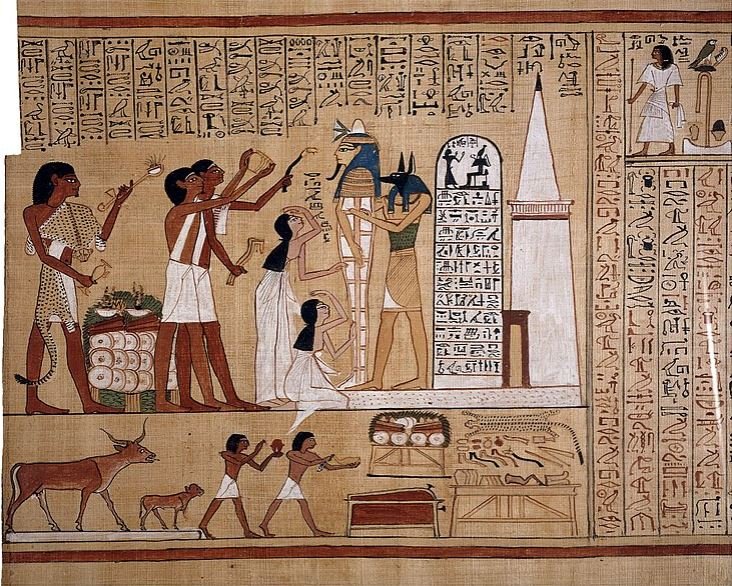
Priests of Anubis, the deity of tombs, embalming, and guide of the dead, carry out the Opening of the Mouth ritual.
What was the purpose of the Opening of the Mouth ceremony?
The ritual aimed to restore the deceased’s basic senses—such as sight, speech, hearing, and taste—so they could perform essential tasks and navigate the afterlife successfully.
How was the ritual connected to rebirth?
The ceremony symbolized rebirth through practices tied to childbirth, such as using the peseshkef tool (initially for cutting umbilical cords) and offering bloody meat, representing new beginnings.
What tools were used in the ceremony, and what did they signify?
Tools included the peseshkef, ritual adze, and a calf’s leg. The peseshkef symbolized rebirth, the adze restored senses, and the calf’s leg helped the deceased’s “ba” (personality) move freely.
How did purification and offerings factor into the process?
The body was purified with natron and anointed with perfumes to symbolize divine approval. Offerings like grain, incense, and meat were made to honor the gods and the deceased.
What role did priests play in the ritual?
A Sem priest, often wearing a jackal mask to represent Anubis, performed the rites, recited spells, and used tools to “revive” the senses. They also safeguarded the body during the ceremony.
How was the ritual linked to Egyptian mythology?
It mirrored the tale of Horus reviving Osiris, emphasizing restoration and protection. Tools and actions were imbued with symbolic references to myths like the Eye of Horus.
Egyptian deities that protected Ra during his journey through the underworld





