Danish Philosopher Søren Kierkegaard
Søren Aabye Kierkegaard (1813–1855), often hailed as the father of Christian existentialism, was a Danish theologian, philosopher, and writer who challenged the conventions of his time. His works delve into...

Søren Aabye Kierkegaard (1813–1855), often hailed as the father of Christian existentialism, was a Danish theologian, philosopher, and writer who challenged the conventions of his time. His works delve into...
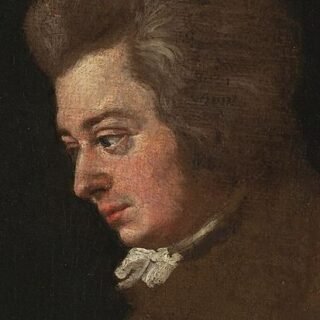
Wolfgang Amadeus Mozart passed away on December 5, 1791, in Vienna at the age of 35. His death, surrounded by mystery and speculation, has been the subject of extensive research...
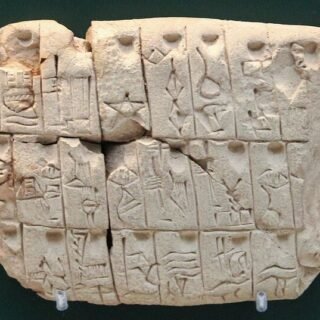
Cuneiform lexical lists are among the most fascinating and revealing artifacts from the ancient world. These lists, found throughout the ancient Near East, date back to the third millennium BCE...

Daily life in ancient China varied significantly depending on an individual’s social class, occupation, gender, and geographic location. The ancient Chinese civilization, with its history spanning thousands of years, underwent...
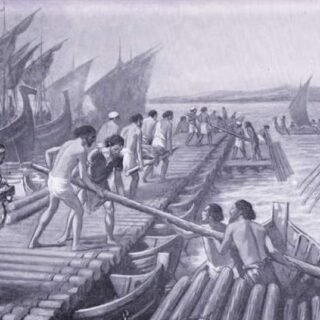
The Phoenicians, an ancient Semitic-speaking civilization, flourished along the eastern Mediterranean coast from around 1500 BCE to 300 BCE. Primarily settled in modern-day Lebanon, parts of Syria, and northern Israel,...

Magic in Ancient Greece was a complex and multifaceted aspect of cultural and spiritual life, blending religious practices, folklore, and early natural philosophy Origins of Magic in Ancient Greece The...
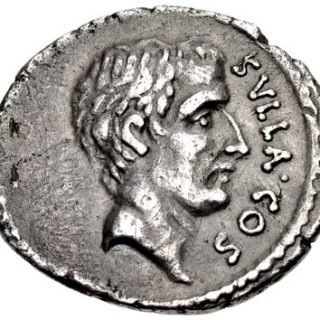
Sulla’s civil war, fought between 83–82 BCE, marked one of the most pivotal moments in the late Roman Republic. The conflict was waged between the forces of Lucius Cornelius Sulla,...
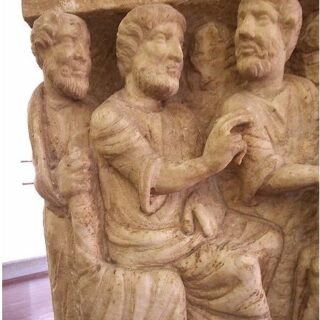
The doctrine of the Trinity, a cornerstone of Christian theology, is viewed differently within Eastern Christianity compared to Western Christianity. Both traditions affirm the same foundational belief in one God...

Hasdrubal the Boetharch was a notable Carthaginian general active during the Third Punic War (149–146 BC). Despite limited historical information about him, his role and actions during this pivotal period...
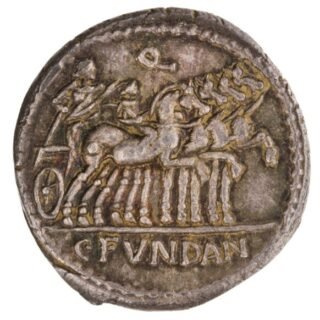
The Marian Reforms refer to significant yet contested changes in the Roman military’s structure and operation, traditionally attributed to Gaius Marius during the late Roman Republic. These changes are thought...
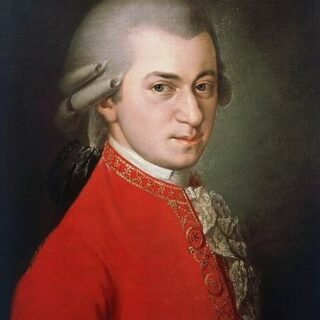
Mozart was a prolific composer of the Classical period, known for over 750 works spanning symphonies, operas, concertos, and choral music. His works are celebrated for their melodic beauty, elegance,...
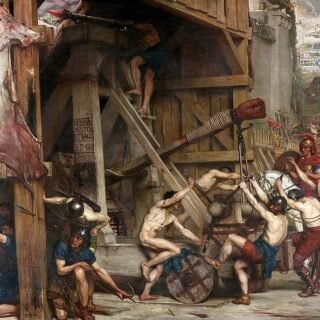
The Siege of Carthage, the primary engagement of the Third Punic War (149–146 BC), marked the final confrontation between the Roman Republic and Carthage. Lasting nearly three years, it ended...
Mithridates V Euergetes was the seventh king of the Kingdom of Pontus, reigning until around 120 BC. He was known for his Greek Macedonian and Persian ancestry and his contributions...

Antiochus IV Epiphanes (c. 215 BC–164 BC) ruled the Seleucid Empire from around 175 BC to 164 BC. His reign was marked by significant events, including his attempted conquest of...

Zipoetes I, also spelled Zipoites or Ziboetes, possibly Tiboetes (Greek: Zιπoίτης or Zιβoίτης), was a significant historical figure who ruled Bithynia from around 326 BC to 278 BC. His reign...





