Bellum Octavianum: The War of Octavius
The Bellum Octavianum, or “War of Octavius,” was a significant Roman republican civil war fought in 87 BC. It was primarily a conflict between the year’s two consuls, Gnaeus Octavius...

The Bellum Octavianum, or “War of Octavius,” was a significant Roman republican civil war fought in 87 BC. It was primarily a conflict between the year’s two consuls, Gnaeus Octavius...

Laodice IV (fl. 3rd–2nd century BC) was a prominent figure in the Seleucid Empire, renowned for her roles as a Greek princess, chief priestess, and queen. Her influence spanned decades...

Pharnaces II of Pontus was the king of the Bosporan Kingdom and Kingdom of Pontus until his death around 47 BC. Early Life and Heritage Pharnaces II (c. 97–47 BC),...

Tiberius Julius Sauromates II Philocaesar Philoromaios Eusebes, commonly referred to as Sauromates II, was a Roman client king who ruled the Bosporan Kingdom from 172 to 210/211 AD. His reign,...

Nicomedes III Euergetes, known as “the Benefactor” (Ancient Greek: Νικομήδης Εὐεργέτης), ruled the kingdom of Bithynia from approximately 127 BC to 94 BC. A descendant of a prestigious lineage and...
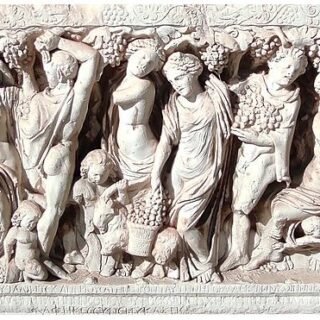
Wine played a central role in the cultures of the ancient Mediterranean, influencing social, religious, and economic aspects of life. As a symbol of wealth, hospitality, and divine favor, wine...
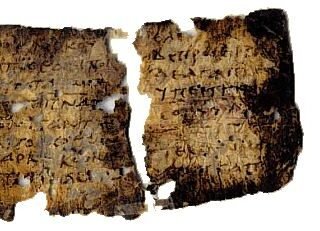
The Didache, also known as the Teaching of the Twelve Apostles, is an early Christian document that holds significant historical, theological, and liturgical value. Likely composed in the late first or early...

The Mithridatic Wars (88–63 BCE) were three critical conflicts fought between the Roman Republic and the Kingdom of Pontus, led by King Mithridates VI. These wars represented a pivotal moment...

The Temples of Pattadakal, a UNESCO World Heritage Site in Karnataka, India, represent a splendid blend of Dravidian (Southern) and Nagara (Northern) architectural styles. Built during the reign of the Chalukyas...

Cappadocia was a Hellenistic-era Iranian kingdom situated in Asia Minor, in what is now modern-day Turkey. Emerging from the Achaemenid satrapy of Cappadocia, the kingdom was founded by its last...

Aristoxenus of Tarentum (c. 375–335 BCE) was a Greek philosopher and one of Aristotle’s most distinguished pupils. Although renowned for his contributions to philosophy and ethics, Aristoxenus is best known...

Wadjenes, also rendered as Wadj-nes, Wadjlas, Ougotlas, or Tlas, was a lesser-known king who likely reigned during Egypt’s 2nd Dynasty. His name, meaning “fresh of tongue,” suggests symbolic or ceremonial...
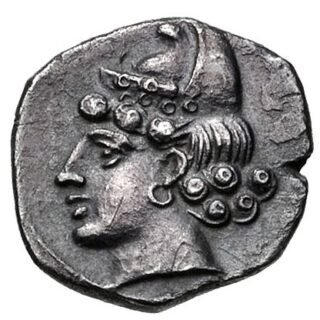
Arses, also known as Artaxerxes IV, ruled as the twelfth Achaemenid King of Kings from 338 to 336 BC. His brief and tumultuous reign marked the decline of the Persian...
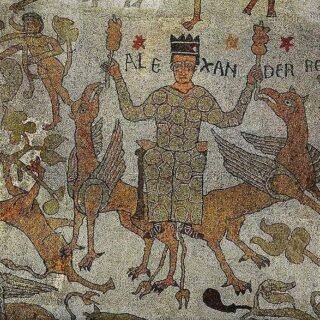
Alexander the Great (356–323 BCE) stands as one of history’s most extraordinary figures. His unparalleled military achievements, vast conquests, and profound influence on cultures have made him a subject of...
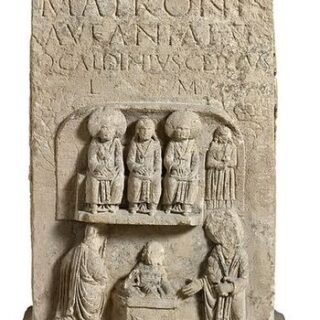
The Matres (“Mothers”) and Matronae (“Matrons”) were revered female deities worshiped across Northwestern Europe during the Roman occupation from the first to the fifth century AD. These figures appear in...





