Petition to the King
In 1774, the American Colonies found themselves at a pivotal moment in their relationship with Great Britain. Following years of escalating tensions, the Continental Congress issued a petition to King George III, seeking the repeal of the Coercive Acts, also known as the Intolerable Acts. This Petition to the King marked a final attempt to resolve the growing conflict peacefully, without resorting to war. Its rejection by the King and the British Parliament ultimately contributed to the American Revolutionary War and the eventual Declaration of Independence.

Embossed copy of the petition to King George III
Political Background Leading to the Petition
The roots of the Petition to the King lie in the strained political and economic relations between the Thirteen Colonies and Britain, which had been deteriorating since the end of the French and Indian War (1754-1763). The war had drained British finances, and in an effort to recover from the debt, the British government sought new revenue sources. Parliament passed several pieces of legislation, such as the Stamp Act of 1765 and the Townshend Acts of 1767, which imposed taxes on the colonies to raise revenue for Britain. These measures were seen by many colonists as unjust because the colonies had no representation in Parliament.
The cry of “no taxation without representation” became a rallying point for colonists who believed that they should not be taxed by a government in which they had no voice. Tensions rose further after the Boston Tea Party in 1773, where colonists destroyed large amounts of British tea to protest the Tea Act, which gave the British East India Company a monopoly on tea sales in the colonies. In response, Parliament passed the Coercive Acts (1774), which were designed to punish Massachusetts and assert British authority over the colonies. These acts included the closing of Boston’s harbor, the dissolution of Massachusetts’ colonial government, and the expansion of the Quebec Territory.
These actions led to widespread anger throughout the colonies, and the First Continental Congress was convened in September 1774 to address the situation. The Congress aimed to find a peaceful resolution with the British government and restore harmony within the Empire, yet they were prepared for more drastic measures should their grievances remain unaddressed.
The Formation of the Petition
On October 1, 1774, the Continental Congress resolved to send a petition to King George III. The goal was to express the colonies’ grievances and request the repeal of the Coercive Acts. The petition was not intended as a call for independence but as a plea for redress of what the colonists viewed as unjust actions taken by Parliament. A committee was formed to draft the document, which included prominent figures such as Richard Henry Lee, John Adams, and Patrick Henry. Lee was chosen to chair the committee, and it was his leadership that helped shape the tone and content of the petition.
The document’s tone was one of respectful submission to the King, emphasizing loyalty to the Crown. The petition sought to assure the King that the colonies desired to restore their relationship with Britain and to resolve the issues peacefully. The Congress believed that the King’s intervention could bring about a repeal of the Coercive Acts and restore harmony between the colonies and the mother country.
Structure of the Petition
The Petition to the King followed a formal structure that included several key sections: an introduction, a list of grievances, a justification for attention, and a conclusion.
Introduction
The introduction of the petition was respectful and deferential, addressing King George III as “Most Gracious Sovereign.” The signatories represented the colonies of New Hampshire, Massachusetts Bay, Rhode Island, Connecticut, New York, New Jersey, Pennsylvania, Delaware, Maryland, Virginia, North Carolina, and South Carolina. The petitioners stated their intention to lay their grievances before the King and expressed their desire to restore harmony between the colonies and Britain.
List of Grievances
The bulk of the petition consisted of a detailed list of grievances, which addressed a range of issues that had caused frustration among the colonists. Among these were the presence of a standing army in the colonies, the arbitrary powers granted to British officers, and the imposition of taxes without consent. Specific grievances included the following:
-
The maintenance of a standing army in the colonies without the consent of the local assemblies.
-
The appointment of British military officers to govern the colonies, thus undermining the power of local governments.
-
The expansion of Admiralty Courts, which bypassed the right to a trial by jury.
-
The dissolution of colonial assemblies, which had been crucial to self-governance.
-
The passage of laws that restricted colonial trade and commerce.
These grievances were presented as evidence of the erosion of the colonies’ rights and liberties, and the petitioners called for their immediate redress.
Reasons for Attention
In this section, the petitioners provided justification for why the King should pay attention to their concerns. They argued that the system of government imposed by Britain had caused widespread distress in the colonies. They stressed that their objections were not born out of ambition or seditious intent but from a genuine desire to protect their rights as Englishmen. The colonists believed that their loyalty to the British Crown had been misrepresented and that they were being unfairly treated by Parliament.
The petitioners also emphasized that they had no desire to diminish the power of the British monarchy or alter the fundamental relationship between the colonies and Britain. They expressed their loyalty to the King, noting that their grievances were aimed at Parliament, which had overstepped its bounds in their view.
Conclusion
The conclusion of the petition reaffirmed the colonies’ loyalty to the King and their desire for peace and reconciliation. The petitioners expressed their hope that their grievances would be addressed and that the relationship between the colonies and Britain could be restored to a state of harmony. They assured the King that they had no intention of seeking independence but merely wished for the repeal of the Coercive Acts and a return to their pre-war status.
Delivery and Response
The petition was sent to Britain in November 1774, aboard the ship Mary and Elizabeth. After a delay due to a storm, the petition was eventually delivered to London in December. Upon receipt, the petition was largely ignored by Parliament, which was focused on more immediate issues. Benjamin Franklin, who was in London at the time, noted that the petition was “read as well as the other Papers” but received little attention.
King George III never formally responded to the petition. Instead, the British government continued to implement policies that further alienated the colonies, leading to the outbreak of the American Revolutionary War in 1775. The rejection of the petition marked a turning point, as it became clear that peaceful reconciliation was no longer possible.
Although the Petition to the King did not achieve its immediate goals, it played an important role in the larger story of American independence and the birth of a new nation.
Historical Significance
The Petition to the King is a significant document in American history for several reasons. First, it highlights the colonies’ desire to remain within the British Empire and their reluctance to seek independence. The petitioners expressed loyalty to the King and sought only the repeal of the Coercive Acts, rather than a complete severance of ties with Britain. This sentiment reflects the complexity of the colonial relationship with Britain at the time, as many colonists still viewed themselves as part of the British Empire and hoped for reconciliation.
Second, the petition illustrates the growing frustration among the colonies with British policies. Despite their attempts to address their grievances peacefully, the King’s refusal to acknowledge their concerns contributed to the growing sense of injustice that eventually led to the Declaration of Independence in 1776. The Petition to the King can thus be seen as one of the final efforts at peaceful negotiation before the outbreak of the American Revolution.
Finally, the Petition to the King represents an important moment in the development of American political thought. The petitioners framed their grievances in terms of the natural rights of individuals and the principles of liberty that had been espoused by Enlightenment thinkers. In this sense, the petition helped lay the intellectual foundation for the broader American revolutionary movement.
Frequently Asked Questions
Why was the Petition created?
It was created in response to escalating tensions between the American colonies and Britain, with the colonies seeking to resolve their grievances peacefully without resorting to war.
What grievances did the Petition address?
The Petition listed grievances such as the maintenance of a standing army in the colonies, the dissolution of colonial assemblies, the imposition of taxes without representation, and the expansion of Admiralty Courts that bypassed the right to trial by jury.
How did the Continental Congress approach the Petition?
The Continental Congress formed a committee to draft the Petition, led by Richard Henry Lee, with input from key figures like John Adams and Patrick Henry. The document was crafted with a respectful tone, expressing loyalty to the King while seeking redress for colonial grievances.
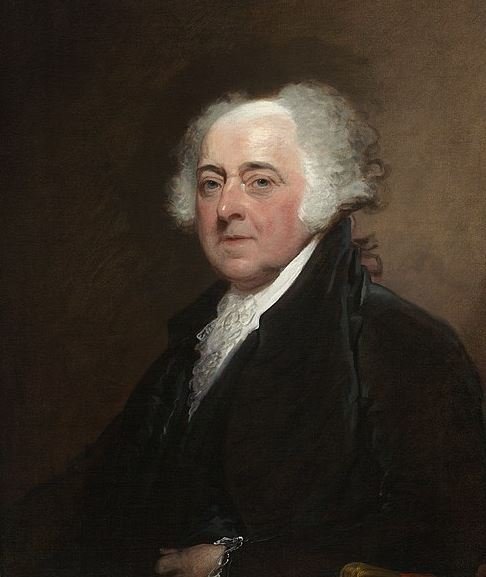
Portrait of John Adams
What was the tone of the Petition?
The tone was deferential and loyal, as the colonists emphasized their continued allegiance to the British Crown, aiming to resolve the conflict through peaceful means and without seeking independence.
What was the response to the Petition?
The Petition was largely ignored by Parliament and King George III. It was presented in Parliament but received little attention, and the King never formally responded to the colonists’ requests.

King George III Coronation portrait by Allan Ramsay, 1762
What role did the Petition play in American history?
The Petition represents one of the final attempts at reconciliation between the colonies and Britain before the outbreak of the American Revolutionary War. Its rejection highlighted the growing tensions that eventually led to the Declaration of Independence.
How did the Petition reflect colonial attitudes toward Britain?
The Petition showed that many colonists still viewed themselves as loyal subjects of the British Crown and hoped for peaceful resolution. However, its rejection marked a turning point, leading to a shift toward independence as relations with Britain deteriorated.





