The Curse of Agade
The Curse of Agade, also known as the Curse of Akkad, is a fascinating and significant piece of ancient Mesopotamian literature that tells the story of King Naram-Sin, the ruler of the Akkadian Empire, and his catastrophic fall from favor with the gods. This tale, etched into clay tablets and preserved through centuries, reveals insights into the values, beliefs, and historical dynamics of one of the world’s earliest civilizations.

The Curse of Agade
READ MORE: The Mesopotamian Pantheon
Historical Context
The Akkadian Empire, founded by Sargon of Akkad in the 24th century BCE, was the first known empire in human history. It unified various city-states in Mesopotamia, bringing them under centralized rule. Naram-Sin, Sargon’s grandson, ruled during the late 23rd century BCE and is often remembered for his military conquests and administrative prowess.

Sargon of Akkad’s empire spanned large places in ancient Mesopotamia. He even stretched the boundaries to include places in Lebanon and regions close to modern-day Turkey. Image: Sargon of Akkad on his victory stele, with inscription King Sargon (Šar-ru-gi lugal) vertically inscribed in front of him
Under Naram-Sin, the empire reached its zenith, extending its influence far beyond Mesopotamia. However, his reign was also marked by an eventual decline, as internal revolts, invasions, and economic troubles plagued the empire. The Curse of Agade reflects this period of instability, mythologizing the empire’s fall and attributing it to divine wrath.
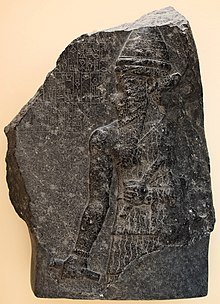
Portrait of Naram-Sin
READ MORE: Ancient Mesopotamian Cities
Narrative Overview
The Curse of Agade is written in the form of a lamentation and epic, blending myth and historical memory. The story revolves around the city of Agade (Akkad), the capital of the empire, and its ruler Naram-Sin. The narrative can be divided into key sections:
The Prosperity of Agade
The text begins by describing the great wealth, power, and prosperity of Agade. The gods, especially Enlil, have blessed the city, making it a beacon of civilization. Agade’s temples are rich, its people thrive, and its king is celebrated for his divine favor.

A statue portraying the ancient Mesopotamian god Enlil.
The Offense Against the Gods
The turning point occurs when Naram-Sin commits an offense against the gods, specifically Enlil, the god of wind and the head of the Sumerian pantheon. In some versions of the story, this offense is his unauthorized desecration or neglect of a sacred temple. Other interpretations suggest his hubris led him to place himself on an equal footing with the gods.
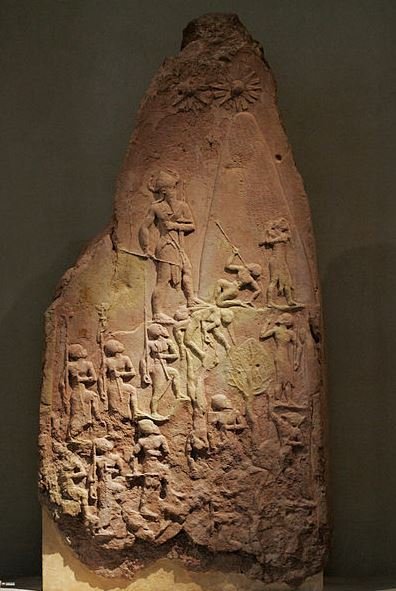
Victory stele of Naram Sin
Divine Punishment
Angered by Naram-Sin’s actions, Enlil withdraws his favor, resulting in catastrophic consequences for Agade. The city is cursed, and natural disasters, famine, and invasions devastate its people. The gods abandon the temples, and Agade becomes desolate. This section is filled with vivid imagery of destruction, highlighting the gods’ anger.
Naram-Sin’s Response
Naram-Sin, desperate to save his city, embarks on a quest to appease the gods. However, his attempts to communicate with them are futile. The gods remain silent, and his sacrifices are rejected. The king’s despair grows as he realizes his power is meaningless without divine support.
The Fall of Agade
The text concludes with the complete ruin of Agade. Invading forces sack the city, its people are scattered, and its once-great glory is reduced to ashes. The curse serves as both a divine punishment and a cautionary tale about the consequences of hubris and impiety.
Themes and Symbolism
The Curse of Agade is rich in themes and symbolism, reflecting the worldview of ancient Mesopotamians.
Divine Justice
Central to the narrative is the concept of divine justice. The gods are portrayed as the ultimate arbiters of human fate, rewarding piety and punishing hubris. Naram-Sin’s fall serves as a warning to rulers about the dangers of overstepping divine boundaries.
The Fragility of Human Power
The story underscores the transient nature of human achievements. Agade’s wealth and power are shown to be fleeting, subject to the whims of the gods. This reflects the Mesopotamian belief in the inherent instability of human endeavors without divine favor.
Hubris and Impiety
Naram-Sin’s actions are a cautionary example of hubris, or excessive pride. By defying the gods, he disrupts the cosmic order, inviting disaster. This theme echoes throughout Mesopotamian and later literary traditions, such as the Greek concept of hubris in tragedies.
Cosmic Order and Balance
The Mesopotamians believed in maintaining a harmonious relationship between humans and the divine. The Curse of Agade illustrates the consequences of disrupting this balance. The devastation of Agade is not just a punishment but a restoration of cosmic order.
The Role of the King
As the intermediary between the gods and the people, the king’s actions have far-reaching consequences. Naram-Sin’s failure to uphold his sacred duties leads to the downfall of his entire city, highlighting the king’s critical role in maintaining divine favor.
Literary and Historical Interpretations
The Curse of Agade is both a historical reflection and a work of literature. Scholars have debated its origins, purpose, and historical accuracy.
While the text is rooted in historical events, such as the decline of the Akkadian Empire, it mythologizes these events to convey moral and theological lessons. The real reasons for the empire’s fall likely included environmental changes, invasions by the Gutians, and internal strife.
Some scholars argue that the text was written as political propaganda by the succeeding Sumerian rulers of the Ur III period. By portraying Naram-Sin as a cautionary figure, they reinforced the importance of piety and legitimized their own rule.
The Curse of Agade is more than a story of a city’s fall; it is a profound exploration of the relationship between humans and the divine.
The story serves as a didactic tool, teaching the importance of humility, obedience to the gods, and the dangers of hubris. It reinforces the Mesopotamian worldview that the gods’ favor is essential for prosperity.
The Curse of Agade is a masterpiece of Mesopotamian literature, characterized by its poetic style, vivid imagery, and dramatic structure. Its lamentation format conveys a sense of loss and despair, making it a powerful expression of cultural values.
Legacy and Influence
The Curse of Agade has had a lasting impact on literary and cultural traditions. Its themes of divine justice, hubris, and the fragility of human power resonate across time and cultures. The story influenced later Mesopotamian texts and echoes in other ancient traditions, such as the Hebrew Bible and Greek mythology.
Questions and Answers
What is The Curse of Agade about?
The Curse of Agade is a legendary Mesopotamian narrative from the Ur III Period that recounts the downfall of the Akkadian king Naram-Sin and his defiance against the gods, particularly Enlil. The story explores themes of divine justice, human hubris, and the nature of suffering.
Who was Naram-Sin?
Naram-Sin was a prominent ruler of the Akkadian Empire, reigning from 2261–2224 BCE. He was the grandson of Sargon the Great and is celebrated for expanding the empire’s territories and enhancing its prestige. Over time, Naram-Sin became a legendary figure in Mesopotamian storytelling.
What is “naru” literature, and how does The Curse of Agade fit this genre?
“Naru” literature features historical figures, often kings, in didactic tales that explore humanity’s relationship with the divine. These stories are typically quasi-historical, emphasizing moral and theological lessons. The Curse of Agade fits this genre by portraying Naram-Sin’s impiety and its disastrous consequences as a cautionary tale.
What triggered the downfall of Agade in the story?
The tale attributes Agade’s downfall to Enlil withdrawing his favor from the city. This divine rejection leads other gods to abandon Agade, stripping it of prosperity and vitality. Naram-Sin’s subsequent defiance by attacking Enlil’s temple exacerbates the city’s ruin.
How did Naram-Sin respond to the gods’ silence?
After years of mourning and unanswered prayers, Naram-Sin, frustrated and enraged, led his army to Nippur and attacked the Ekur, Enlil’s sacred temple. This act of desecration was considered an unparalleled sacrilege, provoking further divine wrath.
What was the divine retribution for Naram-Sin’s actions?
Enlil summoned the Gutians, a barbaric people, to invade and devastate Agade. Their invasion resulted in widespread famine, death, and societal collapse, turning the once-thriving city into a desolate wasteland.
What themes are explored in The Curse of Agade?
The story explores themes of divine justice, human hubris, and the inscrutability of divine actions. It warns against defying the gods and highlights the fragility of human power. The unanswered suffering in the narrative mirrors existential struggles with understanding divine will.
Is there historical evidence supporting the events in the story?
No historical evidence supports Naram-Sin’s destruction of the Ekur or the specific events described in The Curse of Agade. The narrative likely served as a later critique of kingship and a reflection on the relationship between rulers and the divine.
Why is the story significant in Mesopotamian tradition?
The Curse of Agade became a foundational text in Mesopotamian education and influenced literary traditions for centuries. It resonated with themes of justice, suffering, and humility, making it a timeless moral and existential reflection.





