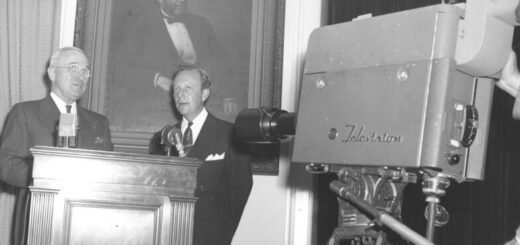
Most influential intellectuals of the American Revolution Era
The American Revolution was shaped not only by battles and political alliances but also by the intellectual forces that inspired a new vision of governance, liberty, and human rights. Influential thinkers of the era contributed ideas that challenged established norms, questioned authority, and ultimately helped build the philosophical foundation for American independence.
In the article below, American historians at World History Edu explore some of the most influential intellectuals of the American Revolution era, whose ideas inspired and influenced the course of history.
John Adams (1735–1826)

John Adams, a Massachusetts lawyer, diplomat, and political theorist, played a vital role in American independence. His writings emphasized the need for a balanced government structure with checks and balances.
Adams was instrumental in advocating for the Declaration of Independence and later worked to help shape the Constitution. His political thought, encapsulated in works like A Defense of the Constitutions of Government of the United States of America, stressed the importance of separation of powers, a principle that would deeply influence American government.
Benjamin Franklin (1706–1790)

A polymath and diplomat, Benjamin Franklin’s influence spanned science, politics, and philosophy. As a Founding Father, Franklin was instrumental in securing French support for the American cause, which proved essential to the Revolution’s success. Franklin’s ideas emphasized pragmatism, civic virtue, and unity among the colonies.
His writings and humor made complex ideas accessible to the public, and his philosophical contributions, such as those in Poor Richard’s Almanack, promoted values like self-improvement and hard work. He also played a significant role in drafting the Declaration of Independence and shaping the Constitution.
Thomas Jefferson (1743–1826)

Thomas Jefferson is best known as the principal author of the Declaration of Independence, where he famously wrote that “all men are created equal” and have “unalienable rights” to “life, liberty, and the pursuit of happiness.”
Influenced by Enlightenment thinkers like John Locke, Jefferson argued that government’s legitimacy comes from the consent of the governed. His philosophical emphasis on individual rights and skepticism of centralized power deeply influenced American political thought. Jefferson’s ideas on liberty, democracy, and natural rights continue to resonate in modern American ideals.
James Madison (1751–1836)

America’s 4th President- Founding Father James Madison
James Madison, known as the “Father of the Constitution,” played a key role in framing the U.S. Constitution and later contributed to the Bill of Rights. Madison’s insights on governance, as articulated in The Federalist Papers, written with Alexander Hamilton and John Jay, focused on controlling factions, balancing power, and protecting individual liberties.
His advocacy for a strong federal government balanced with checks on power was critical to the formation of American government, and his political philosophy influenced the federal structure that persists today.
Alexander Hamilton (1755–1804)

A statesman, military officer, and economic thinker, Alexander Hamilton was another major contributor to The Federalist Papers. Hamilton’s arguments in favor of a robust central government, a strong executive branch, and a national banking system laid the groundwork for much of America’s early financial policies.
His vision of a financially secure, centralized government reflected his belief in economic modernization and a stable currency, ideas that have left a lasting impact on American economic policy.
Thomas Paine (1737–1809)
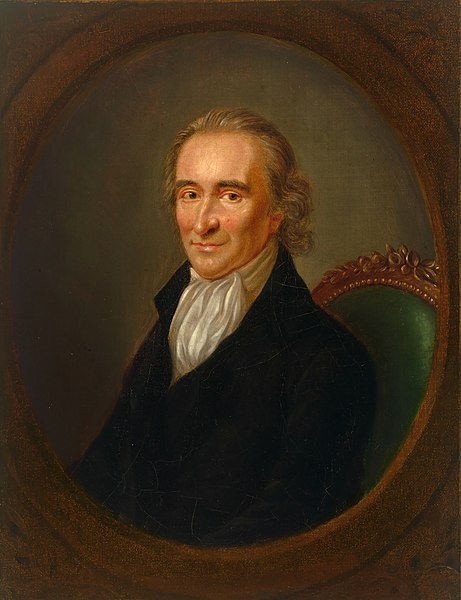
An influential pamphleteer and radical thinker, Thomas Paine is best remembered for his work Common Sense, which presented powerful arguments for American independence from Britain.
Paine’s clear and direct language made complex ideas about governance and freedom accessible to the general public. His pamphlet sold widely and helped turn public opinion toward the revolutionary cause. Paine’s later work, The Rights of Man, argued for democratic principles and universal rights, further spreading the ideals of the Revolution and influencing political thought globally.
John Locke (1632–1704)
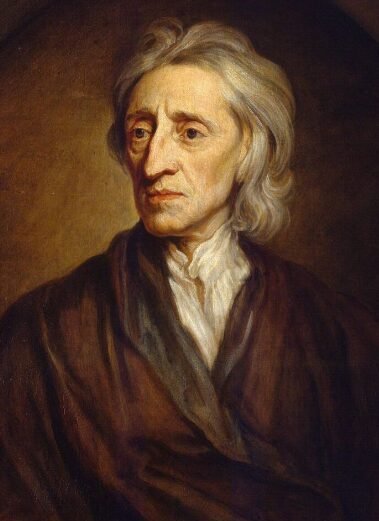
English philosopher John Locke – Portrait by German-born British painter Godfrey Kneller, 1697
Although not an American, the English philosopher John Locke profoundly influenced American revolutionary thought. Locke’s theories on natural rights, social contracts, and the role of government were foundational to the intellectual climate of the Revolution.
In works like Two Treatises of Government, Locke argued that government exists to protect citizens’ natural rights to life, liberty, and property and that people have the right to overthrow unjust governments. Jefferson and others drew directly from Locke’s ideas when drafting foundational American documents.
Samuel Adams (1722–1803)

Samuel Adams is usually acclaimed as the founder of the Sons of Liberty
A leader in the push for independence, Samuel Adams was a Massachusetts politician and one of the architects of American resistance to British rule. He organized opposition to the Stamp Act and the Townshend Acts, founded the Committees of Correspondence to unite the colonies, and was involved in events leading to the Boston Tea Party. Adams’s persuasive writings and speeches rallied colonial resistance and fostered a revolutionary spirit, and his dedication to republican principles influenced the course of the Revolution.
Patrick Henry (1736–1799)

Known for his powerful speeches advocating for liberty, Patrick Henry was a prominent Virginia politician and vocal critic of British rule. His famous line, “Give me liberty or give me death!” captured the revolutionary sentiment and inspired many to support independence.
Founding Father Patrick Henry was skeptical of a strong federal government, later becoming a leading Anti-Federalist and advocating for the Bill of Rights. His advocacy for individual liberties and state sovereignty had a lasting impact on American political ideals.
George Mason (1725–1792)

George Mason, a Virginian planter and statesman, authored the Virginia Declaration of Rights, a document that influenced both the Declaration of Independence and the Bill of Rights. Mason’s declaration outlined essential freedoms, such as freedom of the press, trial by jury, and the prohibition of cruel punishment.
He was a vocal proponent of individual rights and argued that these should be protected in any federal system. Mason’s insistence on including a bill of rights shaped the early debates surrounding the Constitution.
Mercy Otis Warren (1728–1814)
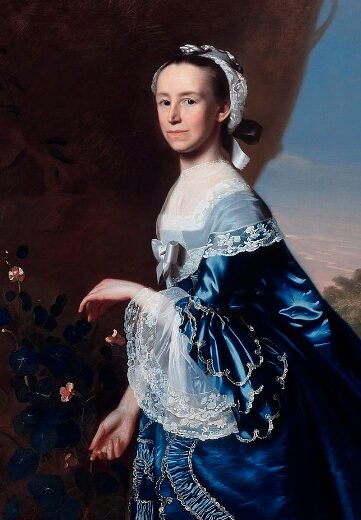
Mercy Otis Warren, a writer, playwright, and political commentator, used her pen to support the Patriot cause. She wrote satirical plays and essays that criticized British authority and called for American independence.
Warren’s work provided intellectual support to the Revolution by reaching audiences who may not have read more formal political tracts. Her later work, History of the Rise, Progress, and Termination of the American Revolution, remains an important historical record and reflects the intellectual contributions of women to the Revolution.
Benjamin Rush (1746–1813)
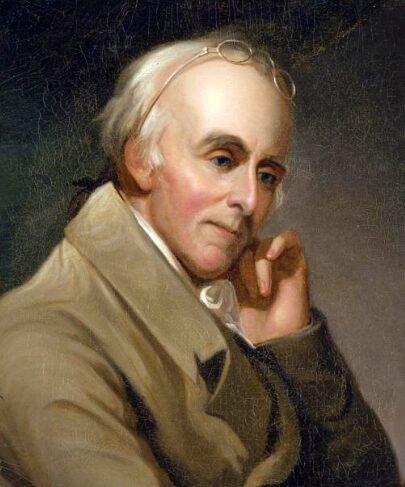
A physician, educator, and signer of the Declaration of Independence, Benjamin Rush was also a significant intellectual force during the American Revolution. Rush advocated for progressive social reforms, including the abolition of slavery and improved education. He believed in the power of reason and science to improve society. His writings addressed the importance of civic duty, public health, and moral responsibility, which were influential in shaping the cultural and intellectual climate of the new nation.
Richard Henry Lee (1732–1794)
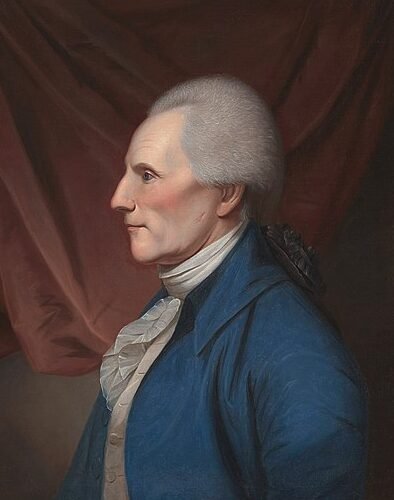
Richard Henry Lee was a Virginia statesman and orator who introduced the motion for independence in the Continental Congress. Lee’s Resolution, as it came to be known, laid the groundwork for the Declaration of Independence.
An advocate of states’ rights and a critic of centralized power, Lee’s ideas influenced the Anti-Federalist movement, which eventually led to the adoption of the Bill of Rights. Lee’s arguments emphasized the importance of liberty, independence, and skepticism of unchecked authority.
John Dickinson (1732–1808)

Known as the “Penman of the Revolution,” John Dickinson wrote extensively in favor of colonial rights while advocating for a peaceful resolution with Britain. His Letters from a Farmer in Pennsylvania criticized British taxation policies and argued for colonial unity. Although he initially opposed declaring independence, Dickinson later supported the Revolutionary War and contributed to the Articles of Confederation. His moderate stance reflected the tension between loyalty to Britain and the desire for fair governance.
Phillis Wheatley (1753–1784)

Phillis Wheatley’s portrait, possibly created by artist Scipio Moorhead, according to some scholars.
Phillis Wheatley, the first African American woman to publish a book of poetry, offered a unique and powerful voice in the revolutionary era. Enslaved and educated in Boston, Wheatley’s poems celebrated freedom and criticized slavery, implicitly linking the colonies’ fight for liberty to the plight of enslaved people. Her work garnered attention both in America and Britain, challenging prevailing notions about race and intelligence. Wheatley’s contributions highlighted the contradiction between the ideals of liberty and the reality of slavery.
Abigail Adams (1744–1818)

The wife of John Adams, Abigail Adams was a key advisor to her husband and a strong advocate for women’s rights. In her famous letters, she urged Adams to “remember the ladies” when crafting new laws for the nation.
Although women had limited political rights at the time, Abigail’s ideas about equality and justice helped shape John Adams’s perspectives. Her letters provide insight into the thoughts of women during the Revolution and underscore the intellectual contributions of women to the founding ideals.
10 Most Influential U.S. First Ladies and their Accomplishments
Jean-Jacques Rousseau (1712–1778)
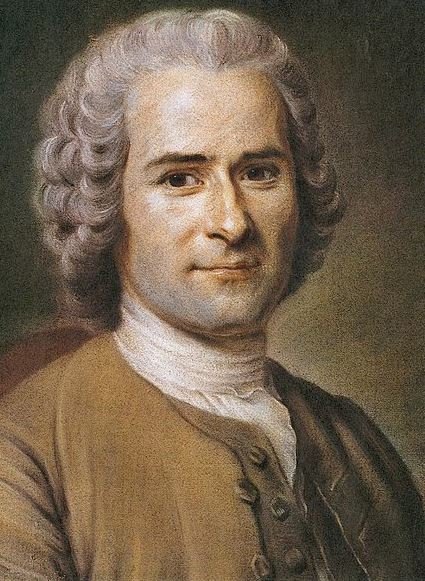
Image: A portrait of Jean-Jacques Rousseau during the early 1750s.
Although Rousseau was a French philosopher, his ideas on social contracts, direct democracy, and individual freedom deeply influenced the American Revolution. His concept of the “general will” and his belief in popular sovereignty resonated with American thinkers like Jefferson and Adams. Rousseau’s ideas contributed to the philosophical foundations of democratic governance and influenced revolutionary movements in both America and France.
David Hume (1711–1776)
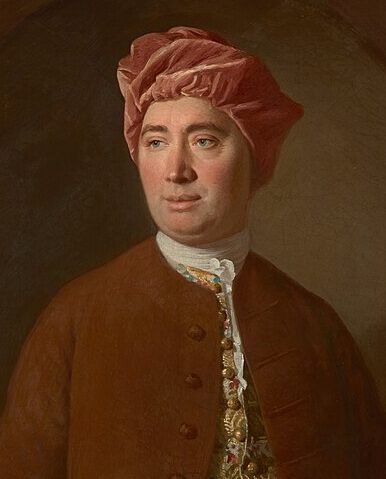
David Hume – portrait by Scottish portrait painter Allan Ramsay, 1754
The Scottish philosopher David Hume was an Enlightenment thinker whose works on human nature, ethics, and government reached American intellectuals. Although Hume was skeptical of certain Enlightenment ideals, his ideas about empiricism and human psychology influenced leaders like Madison. Hume’s skepticism about the concentration of power contributed indirectly to the development of checks and balances in the American system.
Conclusion
The intellectuals of the American Revolution era laid the groundwork for the United States’ founding principles. Their ideas on liberty, governance, human rights, and the role of government resonated through their writings, speeches, and actions, creating a new vision of society based on democratic ideals.
The American Revolution was more than a struggle for independence; it was a battle over ideas that shaped not only the nation’s founding but also the course of modern democratic thought worldwide. The legacy of these thinkers endures in the values of liberty, equality, and justice that continue to define the American experiment.