Ningishzida in Ancient Mesopotamia
Ningishzida, an ancient Mesopotamian deity, held a significant place in Sumerian and Akkadian religious traditions. His name, often translated as “Lord of the Good Tree,” reflects his strong associations with...

Ningishzida, an ancient Mesopotamian deity, held a significant place in Sumerian and Akkadian religious traditions. His name, often translated as “Lord of the Good Tree,” reflects his strong associations with...

Halicarnassus, known today as Bodrum in Turkey, was an important ancient Greek city located in Caria, a region of southwestern Anatolia. Its strategic location along the Aegean coast made it...

Parmenides, a pre-Socratic philosopher from Elea, is best known for his metaphysical ideas, particularly his work titled On Nature (Peri Physeos), which is divided into two main parts: “The Way of Truth”...

Xenophanes of Colophon (c. 570 – c. 475 BCE) was a pre-Socratic philosopher, poet, and social critic from Ionia (modern-day Turkey). Though less known than figures like Plato or Aristotle, Xenophanes was a...
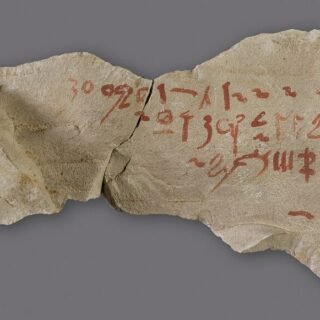
The Instruction of Amenemope is an ancient Egyptian text written during the late New Kingdom period, around the 12th century BCE. It is a literary and instructional work primarily focused on imparting...
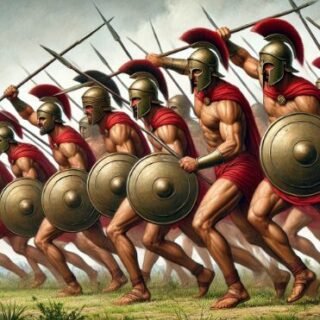
The Hypaspists, an elite infantry unit in the armies of ancient Macedonia, hold a prominent place in historical and military narratives, particularly during the reign of Alexander the Great. The...
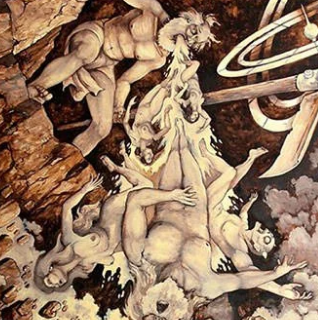
Hesiod, an ancient Greek poet, is best known for his works Theogony and Works and Days. His Theogony, meaning “birth of the gods,” is a fundamental source for Greek mythology, particularly about the origins...

The Field of Reeds, also known as Aaru or Sekhet-Aaru, is one of the most important aspects of ancient Egyptian religion, representing their vision of paradise and the afterlife. Aaru...
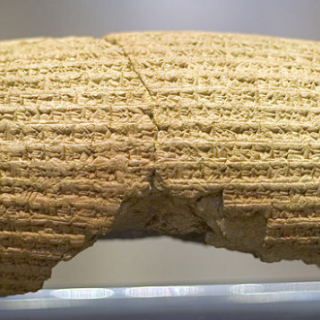
The Cyrus Cylinder is a significant archaeological artifact from ancient history, often regarded as one of the earliest known declarations of human rights. It provides insight into the reign of Cyrus the Great,...
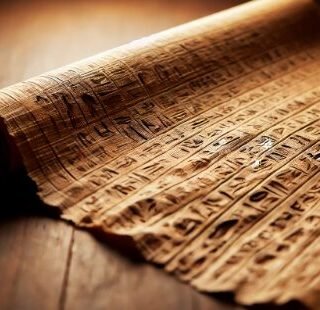
During the reign of Senusret III, a prominent Pharaoh of Egypt’s 12th Dynasty, the kingdom experienced a period of relative political stability, with many of the internal struggles that had...

In Greek mythology, Dike is one of the Horae, a trio of goddesses who represent the natural order and the seasons. The Horae are often linked to the cyclical nature...
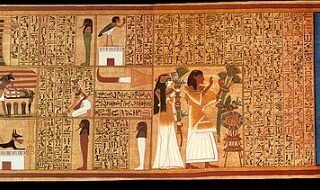
The Papyrus of Ani is one of the most well-known and best-preserved examples of the Book of the Dead, an ancient Egyptian funerary text designed to guide the deceased through...

Epictetus, a Stoic philosopher from the first century CE, presents a unique perspective on the journey from slavery to freedom. Unlike conventional discussions about physical slavery and political freedom, Epictetus’...
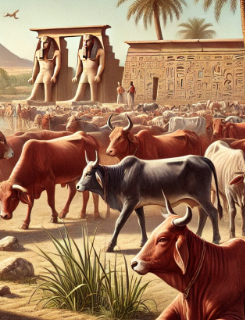
In ancient Egypt, religion was deeply intertwined with daily life, politics, and the natural world. The pantheon of gods and goddesses that the Egyptians worshiped was vast, and one of...

Bupalus and Athenis were prominent ancient Greek sculptors from the 6th century BC, renowned for their contributions to the Chian school of marble sculpture. They were the sons of Archermus,...





