Middle Assyrian Empire: History & Major Fact
The Middle Assyrian Empire, which lasted from approximately 1363 BC to 912 BC, marks a crucial era in the history of Assyria. It represents a transitional phase during which the...
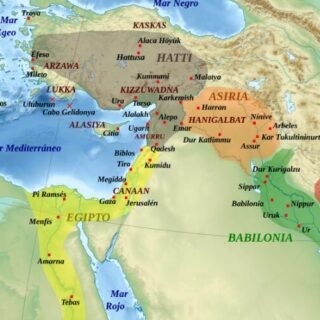
The Middle Assyrian Empire, which lasted from approximately 1363 BC to 912 BC, marks a crucial era in the history of Assyria. It represents a transitional phase during which the...

Shalmaneser I (1273–1244 BC or 1265–1235 BC) was a key figure in the Middle Assyrian Empire, a period of significant expansion and consolidation in Assyria’s history. The Middle Assyrian period,...
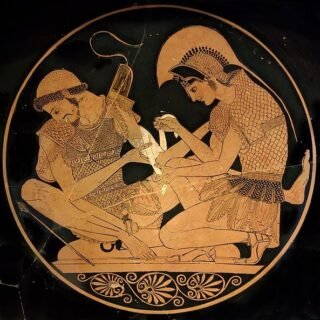
Ancient Greek authors frequently used family as a lens through which to examine personal motivations, moral dilemmas, and the broader social dynamics of their time. Family, or “oikos” in Greek,...

The Battle of Colmar in 58 BCE marked a significant confrontation between Julius Caesar, the Roman military leader and statesman, and Ariovistus, a Germanic king. It was a key event in...
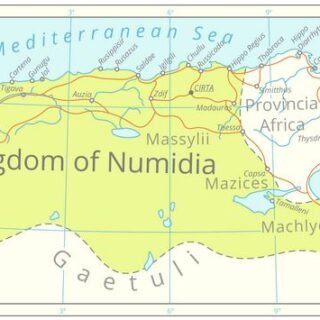
Libyan inscriptions in Numidia and Mauretania provide significant insight into the ancient cultures of North Africa. These inscriptions, found in what is now modern-day Algeria, Tunisia, and Morocco, are some...
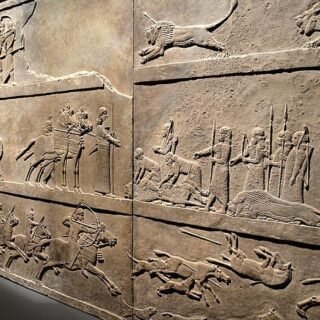
Assyrian reliefs are ancient stone carvings created by the Assyrians, one of the most powerful civilizations of Mesopotamia, between the 9th and 7th centuries BCE. These carvings were primarily made...
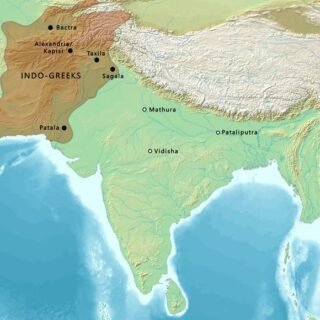
The Greco-Bactrian and Indo-Greek kingdoms, which existed between the 3rd and 1st centuries BCE, represent the cultural and political fusion between Greek and local Asian traditions. These kingdoms emerged after...

The Third Dynasty of Ur, often referred to as the Ur III period, was a significant era in Mesopotamian history, flourishing from around 2112 to 2004 BCE. It marked the last...
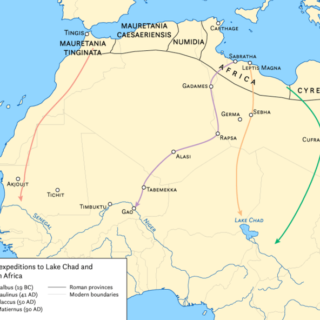
North Africa during the Classical Period (c. 8th century BCE to 5th century CE) played a crucial role in the development of ancient Mediterranean civilizations. Its geographic location made it...
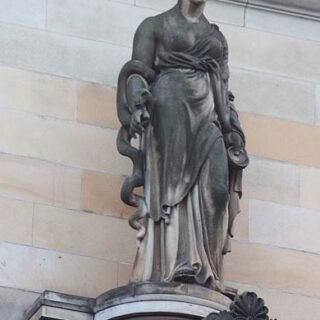
In Greek mythology, Hygieia is a symbol not only of personal health but also of the broader concepts of cleanliness, sanitation, and public health. Below, World History Edu provides a...
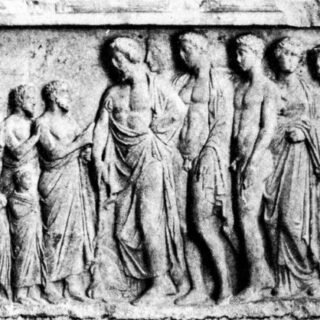
In ancient Greek mythology, Asclepius (Asklēpiós), the god of medicine and healing, played a vital role in the pantheon, revered as the ultimate healer who could even defy death. Asclepius’...

Ancient Mesopotamia, often referred to as the cradle of civilization, is a land steeped in history and mythology. This region, which corresponds to modern-day Iraq, Kuwait, parts of Syria, Turkey,...
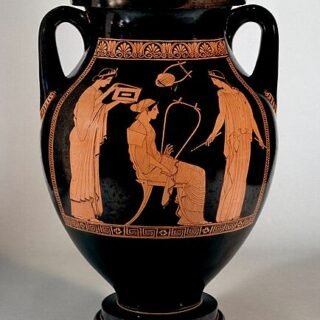
The ancient Greeks developed a rich tradition of ceramic art, most notably represented by the black-figure and red-figure vases. These decorative vessels not only served practical purposes but were also...
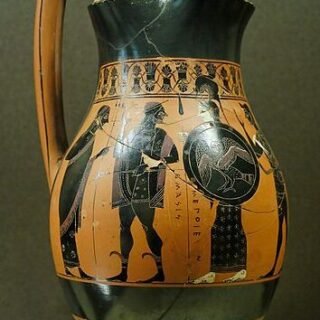
Greek vase painters and potters were crucial to the development of ancient Greek art and culture, blending artistry and craftsmanship in ways that would influence future generations of artists. Their...

Europa’s story, like many in ancient Greek myths, encompasses themes of love, power, transformation, and divinity, reflecting the ancient Greeks’ understanding of their world. Her myth also provides a deep...





