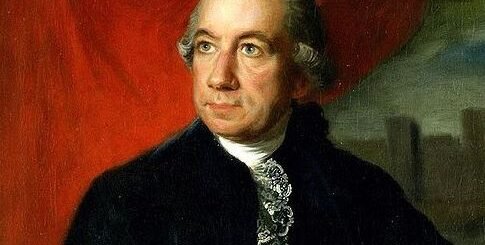
How did George Remus become the Bootlegging King of Cincinnati?

George Remus (November 13, 1876 – January 20, 1952) was a German-born American lawyer who became a notorious bootlegger during Prohibition. Using legal loopholes, he amassed a fortune before being imprisoned. After his release, he discovered his wife Imogene’s betrayal and killed her.
George Remus was born on November 14, 1878, in Berlin, Germany. He emigrated to the United States with his family in 1882, settling in Chicago. From an early age, Remus exhibited a keen intellect and a drive for success. He attended the Chicago College of Pharmacy, earning his degree and purchasing a drugstore by the age of 21. However, his ambitions did not stop there. Remus enrolled in law school, attending night classes while managing his drugstore. He completed his law degree in just 18 months and was admitted to the Illinois bar at 24.
Career as a Defense Attorney
Remus quickly gained a reputation as a brilliant defense attorney, particularly known for his innovative use of the “temporary insanity” defense. This novel approach earned him significant recognition and a lucrative practice. By the time Prohibition was enacted in 1920, Remus had established himself as one of Chicago’s leading lawyers, particularly skilled in defending clients accused of violating the new alcohol laws.
Entry into Bootlegging
Seeing the immense profits that could be made from illegal alcohol during Prohibition, Remus decided to enter the bootlegging business himself. Using his legal knowledge and business acumen, he devised a plan to exploit loopholes in the Volstead Act, which enforced Prohibition. He realized that medicinal alcohol was still legal and set about purchasing distilleries and pharmacies to secure large quantities of alcohol, ostensibly for medicinal purposes.
Remus moved his operations to Cincinnati, Ohio, where he bought a distillery and began producing and distributing alcohol on a massive scale. His operations were sophisticated and highly organized, involving bribery and corruption to keep law enforcement at bay. At the height of his power, Remus controlled an empire that spanned nine states and generated millions of dollars in revenue.
Rise to Notoriety
Remus’s success in bootlegging was unprecedented. He employed hundreds of people and had a fleet of vehicles to transport his illegal goods. His parties were legendary, known for their extravagance and generosity. Remus was known to give away cars as gifts and donate large sums to charity, earning him a Robin Hood-like reputation among some. Despite his criminal activities, he was loved by many in Cincinnati for his hospitality and generosity.
However, his high profile also made him a target for law enforcement. In May 1920, federal agents raided one of his warehouses, uncovering 15 barrels of whiskey worth $35,000. This was just the beginning of his legal troubles. Over time, more evidence of his illegal activities surfaced, leading to multiple arrests.
Legal Troubles and Imprisonment
In 1921, Remus was indicted on thousands of violations of the Volstead Act. He managed to post a $10,000 bond and continued his operations for a while, but the net was closing in. Eventually, he was convicted and sentenced to two years in the Atlanta Federal Penitentiary. While imprisoned, Remus’s empire began to crumble. His wife, Imogene, who had been managing his assets, betrayed him. She liquidated his assets and conspired with a prohibition agent named Franklin Dodge to have Remus killed.
The Murder of Imogene Remus
Upon his release from prison, Remus discovered the betrayal and plotted his revenge. On October 6, 1927, the day they were supposed to finalize their divorce, Remus confronted Imogene in Eden Park, Cincinnati. In a fit of rage, he shot and killed her. Remus immediately turned himself in to the police and was charged with her murder.
The trial was a media sensation, drawing national attention. Remus, ever the lawyer, decided to represent himself. He pleaded temporary insanity and, remarkably, managed to convince the jury of his defense. He was acquitted of murder, much to the shock of the public and legal community.
Later Life and Legacy
After his acquittal, Remus’s life was never the same. His wealth was largely gone, and he struggled to regain his former stature. He lived quietly in Covington, Kentucky, until his death on January 20, 1952.
Despite his criminal activities, Remus left a lasting legacy. His life story is a classic example of how the absurdities of the Volstead Act tempted a talented, opportunistic individual to deviate from a respectable career to one of lawlessness. His rise and fall are emblematic of the Prohibition era’s complexities and contradictions.
Remus’s story has been featured in various media, including Ken Burns’s documentary “Prohibition” and the TV series “Boardwalk Empire,” where he was portrayed by actor Glenn Fleshler. His life continues to fascinate as a testament to the intoxicating allure of power and wealth and the dire consequences that often accompany such pursuits.
Major Facts About George Remus
- Early Life:
- Born in Berlin, Germany, in 1878.
- Emigrated to the United States in 1882.
- Studied at the Chicago College of Pharmacy and purchased a drugstore at age 21.
- Completed law school in 18 months while managing his drugstore.
- Career as a Defense Attorney:
- Admitted to the Illinois bar at age 24.
- Known for his innovative use of the “temporary insanity” defense.
- Gained a lucrative practice defending clients accused of violating Prohibition laws.
- Entry into Bootlegging:
- Decided to exploit Prohibition for profit by entering the bootlegging business.
- Moved to Cincinnati, Ohio, and purchased a distillery.
- Controlled an empire spanning nine states, generating millions in revenue.
- Notoriety and Lifestyle:
- Known for his extravagant parties and generosity.
- Gave away cars as gifts and donated to charity.
- Loved by many in Cincinnati despite his criminal activities.
- Legal Troubles:
- Indicted in 1921 for thousands of violations of the Volstead Act.
- Posted a $10,000 bond but continued his operations.
- Eventually convicted and sentenced to two years in prison.
- Betrayal and Revenge:
- While in prison, his wife Imogene liquidated his assets and conspired to have him killed.
- Upon release, Remus discovered the betrayal.
- Shot and killed Imogene on the day their divorce was to be finalized.
- Murder Trial:
- Represented himself in the trial.
- Pleaded temporary insanity and was acquitted.
- Later Life:
- Struggled financially and socially after his acquittal.
- Lived quietly in Covington, Kentucky, until his death in 1952.
- Legacy:
- Remus’s story is a classic example of the temptations and consequences of Prohibition.
- Featured in Ken Burns’s documentary “Prohibition” and the TV series “Boardwalk Empire.”
Conclusion
George Remus’s life is a compelling tale of ambition, ingenuity, and the darker side of human nature. From his early days as a promising pharmacist and lawyer to his rise as a notorious bootlegger and his dramatic fall, Remus’s story encapsulates the tumultuous era of Prohibition in America. His ability to exploit legal loopholes, his extravagant lifestyle, and his ultimate downfall provide a vivid illustration of the era’s contradictions. Remus remains a fascinating figure, a symbol of both the allure and the peril of unbridled ambition.
Questions and Answers
George Remus’s life exemplifies how the Volstead Act led a talented German immigrant from a respected attorney to a lawless pursuit of wealth, disregarding his immense talent.
These questions and answers provide a comprehensive overview of George Remus’s life, career, and legacy:
Where was George Remus born, and in what year?
Remus was born in Berlin, Germany, in 1878.
What did Remus study at the Chicago College of Pharmacy, and what business did he purchase at age 21?
George Remus studied at the Chicago College of Pharmacy and purchased a drugstore at age 21.
At what age was Remus admitted into the Illinois bar?
Remus was admitted into the Illinois bar at the age of 24.
How did Remus use his legal expertise during the Prohibition era?
During the Prohibition era, Remus defended many bootleggers who paid him huge sums of money. He also used his expertise to plan clever ways to take advantage of the deficits in the Volstead Act for his bootleg liquor business.

Despite his criminal activities, Remus was loved in Cincinnati for his extreme hospitality and generosity, donating to charities and giving out brand new cars as gifts at his parties. Image: George Remus and his wife
What significant purchase did Remus make in 1920 related to his bootlegging business?
In 1920, George Remus purchased his first distillery in Cincinnati.
What was the value of the whiskey barrels federal agents found during their raid in May 1920?
The whiskey barrels found during the raid in May 1920 were worth $35,000.
How much was Remus’s bond when he was first arrested, and in what year was he arrested again?
Remus’s bond was $10,000 when he was first arrested, and he was arrested again in late 1921.
How much was Remus worth at the peak of his illegal liquor enterprise, and how much gross revenue did he make?
At the peak of his illegal liquor enterprise, Remus was worth almost $6,000,000 and made over $50,000,000 in gross revenues.
What significant action did Augusta Imogene Brown take while Remus was serving his prison sentence?
While Remus was serving his prison sentence, Augusta Imogene Brown took over his estate, liquidated his assets, and tried to have him killed by a hitman.
How did George Remus respond when he discovered Augusta’s plot against him?
When Remus discovered Augusta’s plot against him, he shot and killed her while she was on her way to court to finalize their divorce.
In which documentary and TV series was Remus’s character featured, and who portrayed him in the TV series?
Remus was featured in Ken Burn’s “Prohibition” documentary and portrayed by American actor Glenn Fleshler in the critically acclaimed TV series “Boardwalk Empire.”