Life and Major Accomplishments of William Pitt the Elder
William Pitt, 1st Earl of Chatham (1708–1778), commonly known as Pitt the Elder, was a towering figure in 18th-century British politics. A member of the Whig party, he is...

William Pitt, 1st Earl of Chatham (1708–1778), commonly known as Pitt the Elder, was a towering figure in 18th-century British politics. A member of the Whig party, he is...

Prasutagus, known primarily through his connection with the renowned warrior Queen Boudicca, was a significant yet somewhat enigmatic figure in ancient Britain during the Roman occupation. As the ruler of the...

José de San Martín, born on February 25, 1778, in Yapeyú (in present-day Corrientes Province, Argentina), was an iconic figure in South American history. Known as “the Liberator of Argentina,...
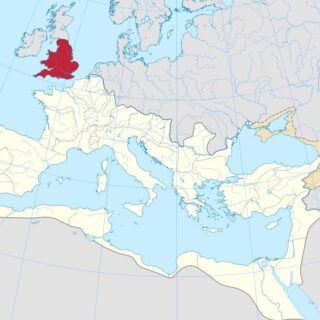
Queen Boudicca’s revolt against Roman rule in Britain, which took place around AD 60-61, is one of the most famous and significant uprisings in British history. The Roman historian Tacitus...
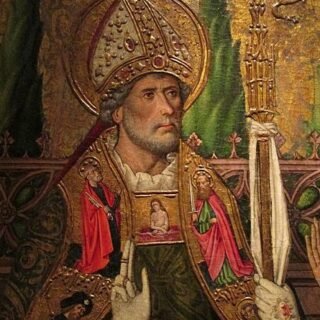
St. Augustine of Hippo, one of the most influential Christian theologians and philosophers, was born on November 13, 354, in Tagaste, a small town in Roman North Africa (modern-day Algeria)....
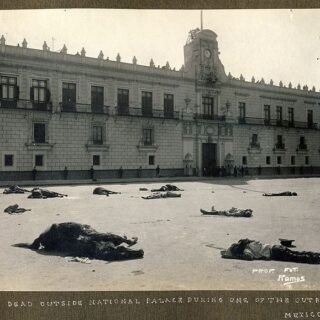
The Ten Tragic Days, or “La Decena Trágica,” is one of the most significant and violent episodes in Mexican history, occurring between February 9 and February 19, 1913, during the...

The assassination of Julius Caesar on March 15, 44 BC, also known as the Ides of March, is one of the most pivotal moments in Roman history. The plot to kill Caesar was...
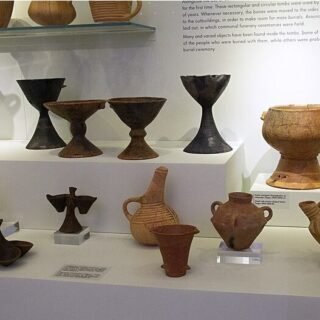
Minoan pottery, an essential aspect of the ancient Minoan civilization that flourished on the island of Crete from around 3000 to 1100 BCE, is renowned for its artistic creativity, innovation,...

Pre-Islamic Arabia was a region characterized by a vast pantheon of deities and religious beliefs. Before the advent of Islam in the 7th century AD, the people of Arabia practiced...
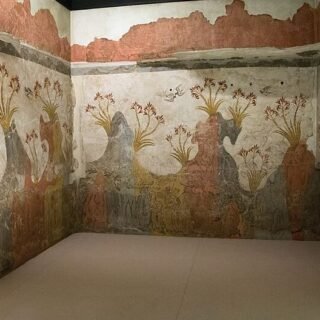
Minoan frescoes are one of the most striking and informative artistic achievements from the ancient world, specifically from the Minoan civilization, which flourished on the island of Crete during the...

The Greco-Bactrian Kingdom was a powerful and culturally significant Hellenistic state that existed from around 256 BC to approximately 120 BC in Central Asia. The kingdom’s history, major accomplishments, and...
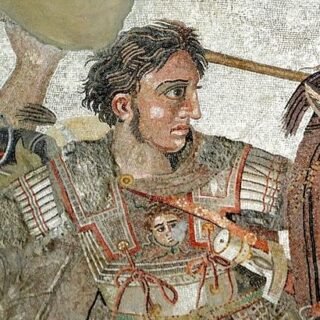
The death of Alexander the Great, one of history’s most renowned military leaders and conquerors, remains one of the most debated events in the ancient world. Alexander’s unexpected demise in 323...

The Parthian Empire, one of the most formidable powers of the ancient world, flourished between 247 BC and 224 AD. Its rulers, from the Arsacid dynasty, achieved remarkable feats in consolidating...

After the death of Hatshepsut, the fifth pharaoh of the Eighteenth Dynasty of Egypt, her successors, particularly Thutmose III and later rulers, took extensive measures to erase her legacy and...

The ancient settlement of Nisa, also known as Parthaunisa, was one of the most significant sites in the Parthian Empire, which played a crucial role in shaping the history of the ancient...





