Emperor Gaozu of the Han Dynasty: Life, Reign and Accomplishments
Emperor Gaozu of Han (256–195 BC), born Liu Bang, is a seminal figure in Chinese history, celebrated as the founder of the Han dynasty. His ascent from a humble peasant...

Emperor Gaozu of Han (256–195 BC), born Liu Bang, is a seminal figure in Chinese history, celebrated as the founder of the Han dynasty. His ascent from a humble peasant...
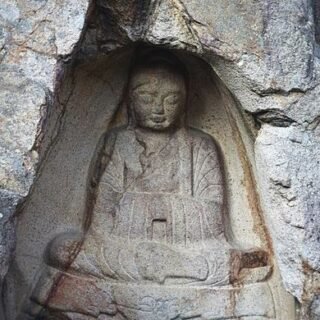
Queen Seondeok (c. 580 or 610 – 647 CE) was the first female monarch of Silla, one of Korea’s Three Kingdoms, ruling from 632 to 647 CE. Celebrated for her intelligence...

The division between Sunni and Shia Islam is one of the most significant schisms in the Islamic world. Emerging from a disagreement over the rightful succession to the Prophet Muhammad...

The Trưng Sisters’ rebellion stands as a pivotal moment in Vietnamese history, symbolizing the nation’s early resistance against foreign domination. Between 40 CE and 43 CE, Trưng Trắc and her...
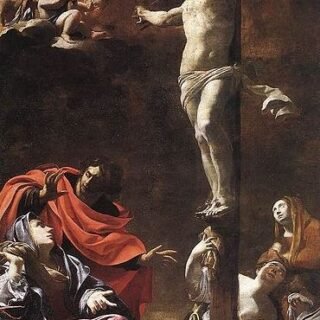
The story of Jesus of Nazareth, as portrayed in the Gospels, is one of the most influential narratives in history, offering insights into his teachings, life, and the foundational events...
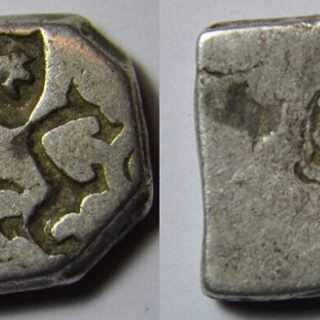
Bindusara (320 BCE – 273 BCE) was the second emperor of the Mauryan dynasty, ruling from approximately 297 BCE to 273 BCE. Known in Greco-Roman accounts as Amitrochates—a derivative of...

The Yellow Turban Rebellion, alternatively known as the Yellow Scarves Rebellion, was a pivotal peasant uprising during the late Eastern Han dynasty of ancient China. It began in 184 CE...

Clytemnestra, a central figure in Greek mythology, is remembered for her complex role as the wife of Agamemnon, the king of Mycenae, and as the half-sister of Helen of Sparta...
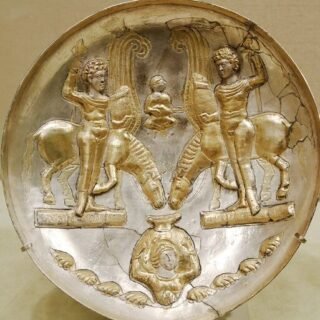
Castor and Pollux, the famed Dioscuri, are notable in Greek and Roman mythology for their mixed parentage. Castor was the mortal son of Tyndareus, the Spartan king, while Pollux was...

The Temple of Mars Ultor, located in Rome, stands as an iconic monument to the ancient god Mars, symbolizing both the power and the reverence Romans held for the deity...
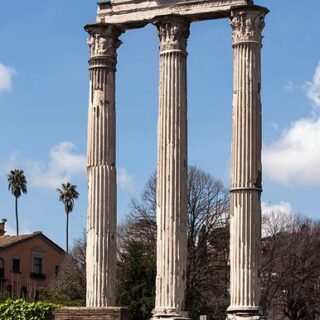
The Temple of Castor and Pollux, located in the Roman Forum, holds significant historical and architectural value as one of Rome’s iconic ancient monuments. Though only three Corinthian columns remain...
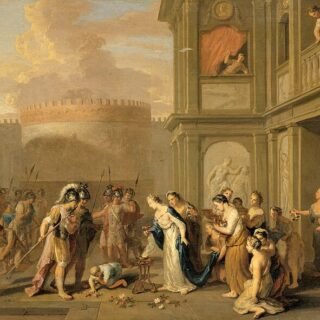
Cleophis, known in Sanskrit as Kripa, was a prominent queen of the Assacani people. She played a crucial role during Alexander the Great‘s invasion in 326 BCE. As the mother...

Queen Jindeok (600–654) stands as a significant figure in Korean history, having ruled the Kingdom of Silla from 647 to 654. As the 28th monarch of Silla and its second...

Porus, also known as Poros (Ancient Greek: Pôros), was an ancient Indian king who ruled the region between the Jhelum River (Hydaspes) and the Chenab River (Acesines) in the Punjab...

The Teocalli of Sacred War, also known as the Throne of Montezuma II or the Temple Stone, is a significant stone monument adorned with intricate carvings of major Aztec deities...





