Dummy Heads Used in World War I
World War I marked the first large-scale deployment of snipers in modern warfare, with rifles fitted with telescopic sights playing a crucial role. As trench combat became the norm, sharpshooters...

World War I marked the first large-scale deployment of snipers in modern warfare, with rifles fitted with telescopic sights playing a crucial role. As trench combat became the norm, sharpshooters...
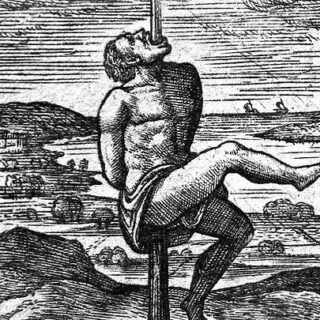
Imagine standing in the arid Egyptian heat, sweat trickling down your brow, knowing the justice system does not favor the unfortunate. To the officials of this ancient land, justice meant...

The Mithraic religion, also known as Mithraism, was a mystery cult centered around the worship of Mithras, a deity of light and truth derived from ancient Indo-Iranian traditions. Mithraism became...
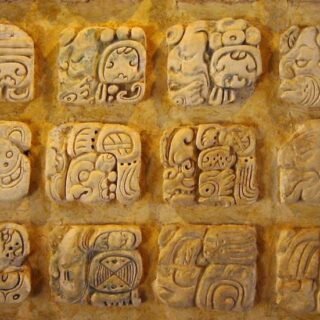
The writing system used by the Maya civilization, known as Maya script or hieroglyphics, is one of the most sophisticated and complex writing systems developed in the ancient Americas. It...

World War II left an indelible mark on Japan, shaping the nation’s political structures, economic policies, social norms, and foreign relations for decades to come. Following the unprecedented destruction wrought...

Across centuries of exploration, remarkable discoveries have emerged to illuminate human innovation, culture, and beliefs. World History Edu presents ten finds that have forever altered how we interpret humanity’s collective...

The Aztec civilization, which flourished in central Mexico from the 14th to the 16th century, was renowned for its highly developed agricultural techniques and distinctive food culture. These intertwined aspects...
The U.S. occupation (1945-1952), led by General Douglas MacArthur, involved democratizing Japan, dissolving its military, and establishing a new constitution that renounced war. Economic reforms, land redistribution, and the promotion...

The Treaty of San Francisco was a peace treaty signed on September 8, 1951, at the War Memorial Opera House in San Francisco, California, United States. The treaty ended the...

Mesopotamia, meaning “Land Between Rivers” (Tigris and Euphrates), is often called the “cradle of civilization.” This region, covering parts of modern-day Iraq, Syria, Turkey, and Iran, was home to some...

Ancient Mesopotamian beliefs about the afterlife were deeply intertwined with their worldview, mythology, and understanding of the cosmos. As one of the earliest civilizations, Mesopotamia—which included Sumer, Akkad, Babylon, and...

The Mukden Incident, also referred to as the Manchurian Incident, was a pivotal event in East Asian history that marked the beginning of Japan’s aggressive territorial expansion in the 20th...

The Inca mummies are a fascinating testament to the Inca civilization‘s sophisticated spiritual practices, cultural values, and understanding of death and the afterlife. Found across the Andean region of South...
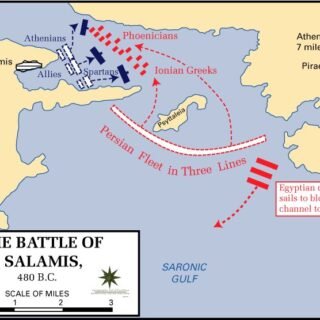
The Battle of Salamis in 480 BCE was a pivotal naval engagement during the Greco-Persian Wars, wherein the Greek city-states, led by Athens and Sparta, faced the massive Persian fleet...

The Greek symposium was an essential social institution in ancient Greece, functioning as both a convivial gathering and a platform for cultural expression. It brought together men of similar social...





