Shepseskare: Egyptian Pharaoh of the Fifth Dynasty
Shepseskare, whose name means “Noble is the Soul of Ra,” was a pharaoh of Egypt’s Fifth Dynasty during the Old Kingdom, reigning in the mid-25th century BCE.
Historical and archaeological evidence suggests he was a short-lived and enigmatic ruler. While traditionally thought to have reigned for seven years, Egyptologist Miroslav Verner argues his rule likely lasted only a few months. This conclusion is supported by the incomplete state of Shepseskare’s pyramid in Abusir, which was abandoned after minimal work, and the scant number of artifacts attributable to him.

Shepseskare, meaning “Noble is the Soul of Ra,” was an obscure pharaoh of Egypt’s Fifth Dynasty during the Old Kingdom, ruling around the mid-25th century BCE. Image: Flinders Petrie’s drawing depicts a scarab seal inscribed “Shepeskare,” though it likely originates from the Saite period.
READ MORE: Origin story, power and significance of sun god Ra in Egyptian mythology
Attestations and Artifacts
Shepseskare is one of the least-documented pharaohs of the Fifth Dynasty, with few contemporaneous artifacts linked to his reign.
Known items include two-cylinder seals bearing his name, one of bronze and another of black serpentine, and fragments of seal impressions found at Abusir and in the mortuary temple of Neferefre.
These fragments suggest that he may have had a limited role in the construction of certain structures during his brief reign.
Additionally, a clay seal impression uncovered near Nyuserre’s sun temple in 2022 provides further, albeit sparse, evidence of Shepseskare’s activity. A scarab seal once attributed to him is now believed to belong to a much later period or another individual.
Historical Records
Shepseskare appears on the Saqqara Tablet, which places him between Neferirkare Kakai and Neferefre. However, the Abydos King List and the Turin Canon omit him, further complicating his historical narrative.
The damaged state of the Turin Canon makes it difficult to confirm the duration of his reign. Manetho’s Aegyptiaca also mentions a ruler, “Sisires,” traditionally identified with Shepseskare, and attributes a reign of seven or nine years. However, discrepancies in these sources cast doubt on the historical order of succession.

Shepseskare likely succeeded Neferirkare Kakai and was followed by Neferefre, making him the fourth or fifth ruler of the dynasty. Image: Cartouche of Pharaoh Neferefre
Chronological Debate
Verner’s research challenges the traditional placement of Shepseskare in the dynastic sequence. He argues that Shepseskare succeeded Neferefre, rather than preceding him, based on the alignment of pyramids at Abusir.
Shepseskare’s reign is debated; traditional sources claim seven years, but Verner’s evidence-backed view suggests only months, post-Neferefre. Many scholars now support Verner’s conclusion.
The pyramids of Sahure, Neferirkare Kakai, and Neferefre align on an axis pointing to Heliopolis, but Shepseskare’s unfinished pyramid deviates from this pattern, suggesting Neferefre’s structure was already in place when Shepseskare began his. Clay seals with Shepseskare’s Horus name found in Neferefre’s mortuary temple further support this hypothesis.
Pyramid and Building Activities
The unfinished pyramid at Abusir, attributed to Shepseskare, reflects his brief reign. Archaeological evidence shows only initial leveling and excavation of the pyramid’s foundation, a process halted after a few weeks or months. Its proximity to Sahure’s pyramid and Userkaf’s sun temple suggests an effort to align himself with earlier rulers. If completed, the pyramid would have stood around 73 meters high, similar to Neferirkare’s.
Shepseskare’s pyramid, abandoned early in construction, and the lack of definitive records contribute to his enigmatic legacy.
Verner has also proposed a possible name for the pyramid: Rsj-Špss-k3-Rˁ (“The Awakening of Shepseskare”). However, this interpretation is contested. The absence of any funerary estates or official titles bearing his name underscores the ephemeral nature of his rule.
Familial Connections and Succession
Shepseskare’s familial ties remain speculative. Verner suggests he may have been a son of Sahure and a brother of Neferirkare Kakai, briefly seizing the throne after Neferefre’s premature death. Another hypothesis proposes he was a son of Neferirkare or even a usurper unrelated to the royal family. His short reign may have ended with his untimely death or his displacement by Nyuserre Ini, Neferefre’s younger brother, who enjoyed strong support from influential officials such as Ptahshepses.
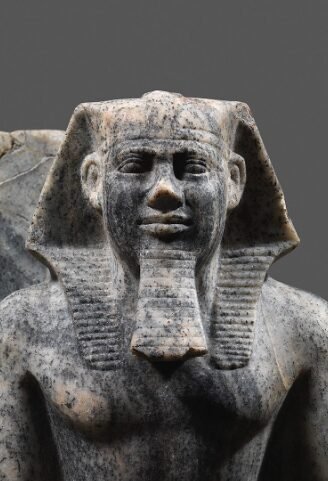
His familial ties to other rulers are uncertain. Verner speculates that he was a son of Sahure and a brother of Neferirkare Kakai, briefly taking power after Neferefre’s premature death. Image: Pharaoh Sahure
Sun Temple and Mortuary Contributions
Kaplony suggested that Shepseskare initiated a sun temple named Hotepibre (“Satisfied is the Heart of Ra”). However, Verner disputes this claim, arguing that the evidence is inconclusive.
Seals bearing Shepseskare’s name found in Neferefre’s mortuary temple suggest he may have continued construction there, though the artifacts could have been relocated from other contexts. Unlike other Fifth Dynasty rulers, no sun temple definitively attributed to Shepseskare has been discovered.
Legacy and Historical Interpretation
Shepseskare’s reign is unique in its obscurity. The lack of personal or administrative inscriptions, combined with his absence from major king lists, highlights the transient nature of his rule. His unfinished pyramid and minimal building activities point to a reign marked by either political instability or an inability to consolidate power. Scholars continue to debate his position in the Fifth Dynasty’s sequence, reflecting broader uncertainties about this period.

Shepseskare’s unexpected death or a loss of power to his nephew, Nyuserre Ini, might explain his short reign. Alternatively, he could have been an outsider who usurped the throne. Image: Double statue portraying Nyuserre as both a young man and an old man, Museum of Egyptian Art in Munich
Frequently Asked Questions
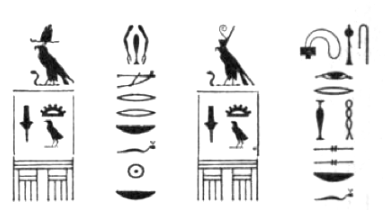
French Egyptologist Georges Émile Jules Daressy drew a bronze cylinder seal of Shepseskare, featuring his Horus name “Sekhemkhaw,” symbolizing power.
Who was Shepseskare?
Shepseskare was a pharaoh of Egypt’s Fifth Dynasty during the Old Kingdom, reigning briefly in the mid-25th century BCE.
What is known about his pyramid?
Shepseskare’s pyramid at Abusir was abandoned after a few weeks of work, suggesting his reign was short.
How long did Shepseskare rule?
While some sources suggest seven years, evidence indicates his reign lasted only a few months.
What artifacts are attributed to Shepseskare?
Artifacts include two-cylinder seals, fragments of clay seals from Abusir, and seal impressions found near Neferefre’s mortuary temple.
What do historical records say about Shepseskare?
He appears on the Saqqara Tablet but is absent from other king lists. Manetho’s Aegyptiaca attributes him a reign of seven or nine years.
What is debated about Shepseskare’s succession?
Scholars debate whether he ruled before or after Neferefre, with evidence suggesting he succeeded Neferefre.
What theories exist about his family ties?
He may have been a son of Sahure or Neferirkare Kakai, but some speculate he was a usurper.
Why is Shepseskare’s reign significant?
His brief and obscure rule highlights the political instability and succession challenges of Egypt’s Fifth Dynasty.





