The Forma Urbis Romae
The Forma Urbis Romae, also known as the Severan Marble Plan, is a monumental map of ancient Rome. Created under the reign of Emperor Septimius Severus between 203 and 211...
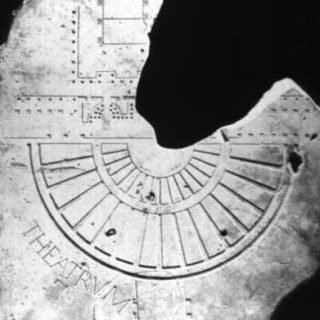
The Forma Urbis Romae, also known as the Severan Marble Plan, is a monumental map of ancient Rome. Created under the reign of Emperor Septimius Severus between 203 and 211...

The Arch of Titus in Rome is a magnificent example of ancient Roman architecture, art, and imperial propaganda. Constructed around 81 CE, this triumphal arch commemorates Emperor Titus’s victory in...
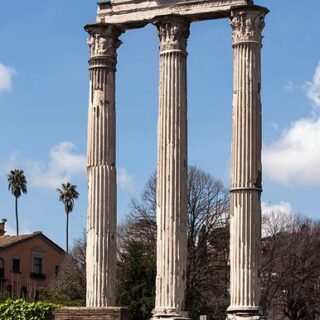
The Temple of Castor and Pollux, located in the Roman Forum, holds significant historical and architectural value as one of Rome’s iconic ancient monuments. Though only three Corinthian columns remain...
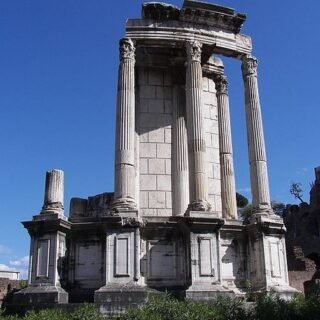
The Temple of Vesta, commonly associated with the Temple of Hercules in Rome, is an ancient structure steeped in history, architecture, and cultural significance. However, it’s crucial to clarify that...

Ancient Rome was renowned for its architectural grandeur and sophisticated urban planning, with forums serving as the heart of public life. These forums were multifunctional spaces that combined marketplaces, political...

The Forum Romanum, or Roman Forum, is one of the most iconic and historically significant sites of ancient Rome. Serving as the epicenter of political, social, and religious life, the...

The Colossus of Constantine was an extraordinary monumental statue of Emperor Constantine the Great, crafted in the early 4th century AD. Renowned for its immense size and profound symbolic significance,...
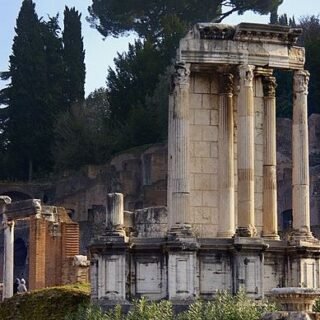
The Temple of Vesta and its sacred fire held a central place in the religious and civic life of ancient Rome. The fire, tended by the Vestal Virgins, symbolized the...

The Vestal Virgins were priestesses of Vesta, the Roman goddess of the hearth and home. They held an important religious role in ancient Rome and were responsible for maintaining the...





