Heracles and Lichas in Greek Mythology
In Greek mythology, the story of Heracles and Lichas is a dramatic tale intertwined with themes of loyalty, betrayal, and tragic consequences. Heracles, also known as Hercules in Roman mythology,...

In Greek mythology, the story of Heracles and Lichas is a dramatic tale intertwined with themes of loyalty, betrayal, and tragic consequences. Heracles, also known as Hercules in Roman mythology,...

Sophocles was one of the most influential and celebrated playwrights of ancient Greece, and his works have had a profound impact on Western literature and drama. As one of the...
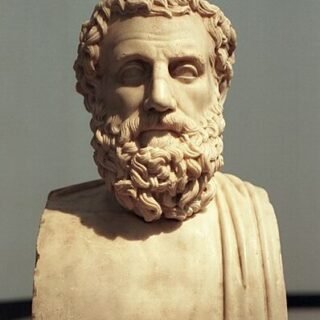
Aeschylus (c. 525/524 – c. 456/455 BC) was an ancient Greek tragedian, often referred to as the father of tragedy. Acclaimed as one of the great trio of ancient Greek tragedians...

Antigone, a figure enshrined in Greek mythology and later immortalized by Sophocles’ tragedy, stands as a symbol of resistance against tyranny and an emblem of personal integrity and familial loyalty....

The pinnacle of ancient Greek drama is epitomized by the works of its three most celebrated tragedians: Aeschylus, Sophocles, and Euripides. These acclaimed playwrights transformed Greek theatre, pushing the boundaries...
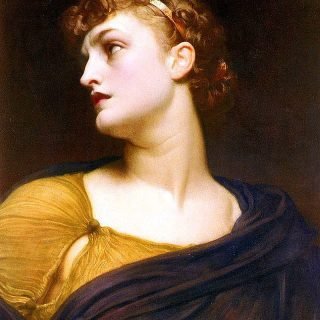
Antigone is a key figure in Greek mythology and literature, particularly in the tragic plays of the Athenian playwright Sophocles. Her story interweaves elements of family loyalty, moral choices, and...
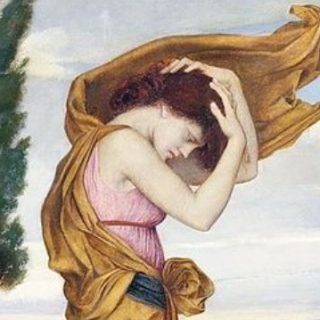
In Greek mythology, Deianira’s name means “destroyer of her husband” or “man-destroyer”. A princess of the Greek city of Calydon in ancient Aetolia, Deianira was one of the three wives...

Ancient Greece gets to be tagged as one of the greatest civilizations to ever exist because of the numerous and important contributions to areas such as mathematics, astronomy, medicine, literature,...





