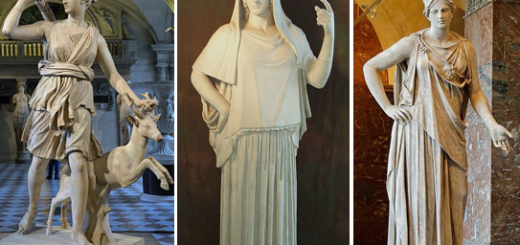
Aphrodite of the Gardens
Aphrodite, one of the most celebrated deities of ancient Greece, is commonly recognized as the goddess of love, beauty, and sensuality. However, her role extends far beyond these domains. One of her lesser-known epithets, Aphrodite of the Gardens (Aphrodítē en kḗpois), highlights her connection to vegetation, fertility, and the nurturing of cultivated spaces. This aspect reflects the goddess’s life-giving qualities and her influence over the natural and agricultural worlds.
Understanding the Epithet
The title “Aphrodite of the Gardens” identifies her as a divine protector of gardens, crops, and fertility. In this role, Aphrodite embodies the life-sustaining forces that ensure the growth of plants and the prosperity of agriculture. Gardens, with their lush beauty and productivity, were seen as a reflection of her dual nature—sensual and nurturing.
This epithet complements the broader cultural understanding of Aphrodite. While she is predominantly associated with personal relationships and aesthetic beauty, her influence also extends to the harmony and vitality of the environment. This dual association reinforces the ancient Greeks’ holistic view of their gods, where divine figures governed multiple, interconnected aspects of life.

Image: A Roman replica believed to recreate Alcamenes’ Aphrodite of the Gardens statue.
The Sanctuary Near the Ilisos River
One of the most prominent sites dedicated to Aphrodite of the Gardens was her sanctuary near the Ilisos River in Athens. The location of the sanctuary was significant, as the Ilisos was known for its natural beauty and verdant surroundings. This idyllic setting provided a fitting backdrop for the worship of a goddess linked to fertility and gardens.
The ancient geographer Pausanias provides a detailed account of this sanctuary. According to him, the site contained a celebrated cult statue of Aphrodite created by Alcamenes, one of the most renowned sculptors of the 5th century BC. Alcamenes’ work would have reflected the grace and beauty traditionally associated with the goddess while emphasizing her connection to nature and fertility.
Additionally, the sanctuary housed a herm, a sacred pillar-like representation associated with divine protection. The herm depicted Aphrodite, though it is unclear whether this was a separate artifact or part of the cult statue itself. These representations emphasized her role as both a guardian of gardens and a divine presence ensuring agricultural success.
Worshipers likely visited the sanctuary to pray for agricultural prosperity, the fertility of their lands, and the flourishing of their gardens. The connection to the Ilisos River’s fertile landscape further underscored her significance in this domain.
Aphrodite and Hermaphroditos
The herm of Aphrodite in the Ilisos sanctuary is thought to have connections to the later mythological figure Hermaphroditos (Hermaphroditus). Hermaphroditos represents a fusion of male and female characteristics, embodying themes of duality and unity. This link reveals another dimension of Aphrodite’s divine nature, one that transcends traditional gender roles and highlights her role as a deity of harmony and balance.
Historical accounts indicate that a male aspect of Aphrodite, known as Aphroditos, was introduced to Athens from Cyprus in the late 5th century BC. This male form of the goddess reflected a unique cultural interpretation of her divine essence, blending feminine beauty with masculine strength. The introduction of Aphroditos to Athens suggests a broader understanding of Aphrodite’s attributes, expanding her worship to include themes of gender fluidity and duality.
Further reinforcing this connection, the ancient writer Alciphron mentions a temple of Hermaphroditos in Athens. This reference suggests that the figure of Hermaphroditos, with its symbolic union of male and female elements, was closely tied to the worship of Aphrodite. In this context, Aphrodite of the Gardens becomes a representation of not only natural fertility but also the broader unity of opposites, reflecting the ancient Greeks’ complex theological perspectives.
Symbolism of Aphrodite of the Gardens
The epithet “Aphrodite of the Gardens” emphasizes her role in the following areas:
In ancient Greece, gardens and agricultural spaces were seen as extensions of the natural world, shaped and cultivated by human hands. Aphrodite’s patronage over these spaces symbolized the divine blessing needed to ensure their prosperity. Her association with fertility made her a natural guardian of gardens, where life was nurtured and sustained.
Gardens were not only practical spaces for food production but also aesthetic environments designed to reflect balance and harmony. Aphrodite, as the goddess of beauty, represented the ideal of perfection in these cultivated landscapes.
The inclusion of a herm in her sanctuary suggests that Aphrodite was also viewed as a protector of gardens and agricultural spaces. Herms were traditionally placed at boundaries to ward off harm and ensure the fertility of the land they guarded.
Through her association with Hermaphroditos and Aphroditos, Aphrodite of the Gardens also symbolized the union of opposites. This aspect highlights her role as a reconciler of differences, ensuring balance not only in human relationships but also in the natural world.

The statue of Hermaphroditus from Pergamum, dating to the Hellenistic period (3rd century BC).
The Cult of Aphrodite of the Gardens
The cult of Aphrodite of the Gardens reflects how ancient Greek religion was deeply intertwined with the rhythms of nature and everyday life. Worshipers would have offered prayers, sacrifices, and rituals to the goddess, seeking her favor for the growth of plants and the fertility of their lands. Seasonal festivals may have also been held in her honor, celebrating the cycles of planting and harvest.
This form of worship illustrates the localized nature of Greek religion. While Aphrodite was a pan-Hellenic deity worshiped throughout the Greek world, her epithets and specific cults varied by region, reflecting the particular needs and concerns of local communities. In Athens, her role as the goddess of gardens resonated with the city’s agricultural traditions and its appreciation for natural beauty.
Legacy and Influence
The worship of Aphrodite of the Gardens underscores the multifaceted nature of Greek deities. Aphrodite was not confined to her roles as the goddess of love and beauty but extended her influence to include fertility, natural harmony, and protection. Her sanctuary near the Ilisos River would have served as both a place of religious devotion and a celebration of the interconnectedness between humanity and nature.
The connections to Hermaphroditos and Aphroditos add further layers to her legacy. They reveal an ancient recognition of fluidity and duality in divine and human existence, themes that resonate with modern discussions of identity and unity.
Moreover, the concept of Aphrodite as a goddess of gardens has influenced later interpretations of her character. In Roman mythology, for example, Venus (Aphrodite’s Roman counterpart) was also associated with gardens, further emphasizing this aspect of her divine role.
Conclusion
Aphrodite of the Gardens offers a rich and nuanced perspective on one of ancient Greece’s most enduring deities. This epithet highlights her connection to fertility, beauty, and harmony, extending her influence from personal relationships to the natural and agricultural worlds. The sanctuary near the Ilisos River stands as a testament to her significance in Athens, where she was venerated as a guardian of gardens and a symbol of the life-sustaining forces of nature.
Through her associations with Hermaphroditos and Aphroditos, Aphrodite of the Gardens also reflects broader themes of unity and duality, showcasing the complexity of ancient Greek religious thought.
Frequently Asked Questions

What aspect of Aphrodite does this epithet emphasize?
It emphasizes her connection to the natural world, symbolizing growth, fertility, and the nurturing of cultivated spaces.
Where was a sanctuary dedicated to Aphrodite of the Gardens located?
The sanctuary was located near the Ilisos River in Athens, a site known for its lush greenery.
Who created the cult statue of Aphrodite at this sanctuary?
The cult statue was crafted by Alcamenes, a renowned sculptor from the 5th century BC.
What other sacred object was found at the sanctuary?
A herm, a sacred pillar-like representation of Aphrodite, was also located in the sanctuary.
What is the uncertainty surrounding the statue and the herm at the sanctuary?
Scholars are uncertain whether the statue and the herm were separate works or a single unified piece.
Why was the sanctuary’s location near the Ilisos River significant?
Its natural setting underscored Aphrodite’s association with fertility, growth, and the vitality of gardens.
What mythological figure is connected to the herm of Aphrodite?
The herm may be linked to Hermaphroditos, a mythological figure symbolizing the fusion of male and female attributes.
What male aspect of Aphrodite is mentioned in historical accounts?
A male aspect called Aphroditos was introduced to Athens from Cyprus in the late 5th century BC.
What does the male form of Aphrodite, Aphroditos, represent?
Aphroditos represents the goddess’s multifaceted nature, embracing duality and unity.
What does Alciphron mention about Hermaphroditos in Athens?
Alciphron references a temple dedicated to Hermaphroditos in Athens, further linking the figure to Aphrodite’s worship.
What broader role does Aphrodite of the Gardens symbolize in Greek religion?
She symbolizes fertility, unity, and the nurturing aspects of life, extending her influence beyond romantic love to include harmony in nature and agricultural prosperity.