F. Scott Fitzgerald: Life and Major Works
Francis Scott Key Fitzgerald, better known as F. Scott Fitzgerald, was one of the most influential American writers of the 20th century. Born on September 24, 1896, in Saint Paul,...

Francis Scott Key Fitzgerald, better known as F. Scott Fitzgerald, was one of the most influential American writers of the 20th century. Born on September 24, 1896, in Saint Paul,...
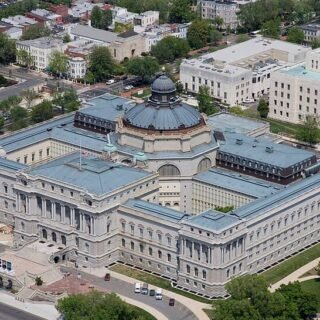
The Thomas Jefferson Building is the oldest and one of the most iconic structures within the Library of Congress in Washington, D.C. It is renowned not only for its architectural...
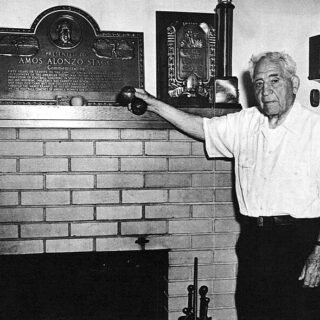
Amos Alonzo Stagg (August 16, 1862 – March 17, 1965) was one of the most influential figures in the history of American sports, particularly college football. His long career as...

George Mason (1725–1792) was an American statesman and one of the most influential figures in the founding of the United States. Despite being less well-known than contemporaries like Thomas Jefferson...
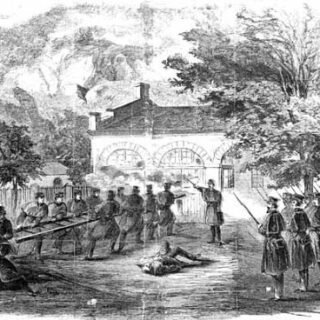
John Brown’s Raid on Harpers Ferry is one of the most significant events leading up to the American Civil War (1861 – 1865). This daring but ill-fated attempt to incite an...
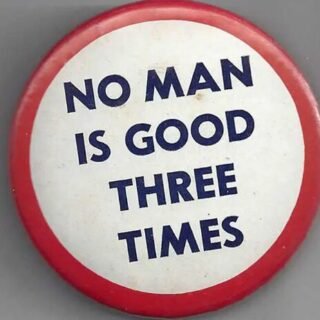
The two-term limit for U.S. Presidents, formally codified in the 22nd Amendment to the U.S. Constitution, is a key feature of the American political system that helps ensure a regular...
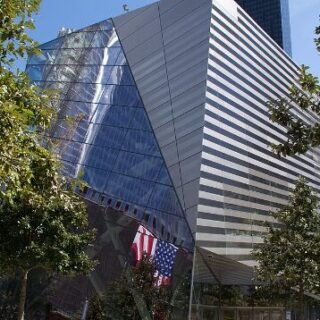
The National September 11 Memorial & Museum, located at the site of the former World Trade Center in Lower Manhattan, stands as a poignant tribute to the nearly 3,000 people...
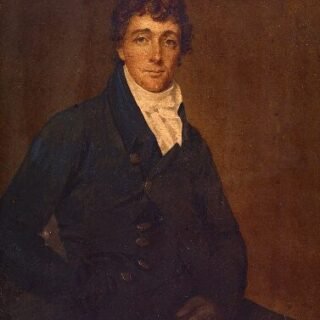
Francis Scott Key, born on August 1, 1779, in Frederick County, Maryland, is best known for writing the poem that would become the lyrics to “The Star-Spangled Banner,” the national...
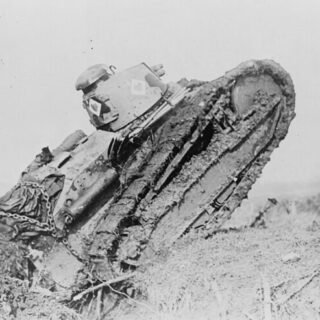
The Battle of Saint-Mihiel, fought from September 12 to 15, 1918, was a significant Allied military operation during World War I, involving the American Expeditionary Forces (AEF) under the command...

Robert Penn Warren (April 24, 1905 – September 15, 1989) was one of the most significant American writers of the 20th century. He was a novelist, poet, critic, and educator...
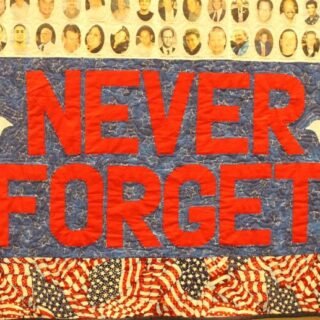
September 11, 2001 (commonly referred to as 9/11), was a series of coordinated terrorist attacks carried out by the militant Islamic extremist group al-Qaeda against the United States. It stands...
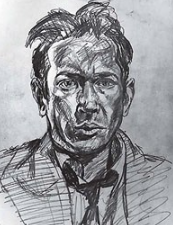
E. E. Cummings was an artist who pushed the boundaries of language, form, and emotion in poetry. His ability to experiment with syntax, punctuation, and structure allowed him to create...
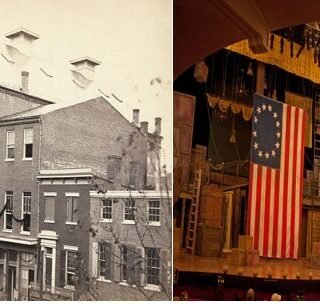
On the night of April 14, 1865, Ford’s Theater in Washington, D.C., became the site of one of the most infamous events in American history: the assassination of President Abraham...

The first U.S. presidential election is a key milestone in American history, marking the birth of the executive branch of the federal government as established by the U.S. Constitution. The...
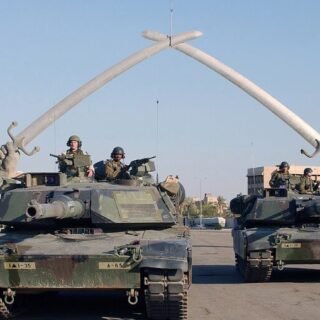
The U.S.-led invasion of Iraq, which began in March 2003, marked a significant and controversial chapter in recent history. The invasion aimed to topple Iraqi President Saddam Hussein, dismantle his...





