Ancient Egyptian Pharaoh Qa’a
Qa’a, also known as Qáa or Ka’a, ruled as the final monarch of Egypt’s First Dynasty during the late 30th century BCE. His name, meaning “his arm is raised,” signifies...

Qa’a, also known as Qáa or Ka’a, ruled as the final monarch of Egypt’s First Dynasty during the late 30th century BCE. His name, meaning “his arm is raised,” signifies...
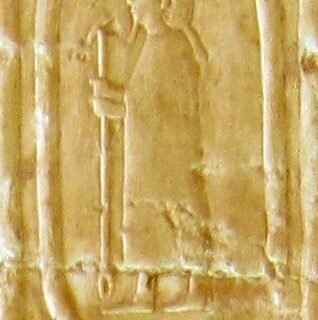
Semerkhet, whose Horus name translates as “Companion of the Divine Community,” was an enigmatic ruler of Egypt’s First Dynasty. His reign is shrouded in mystery and controversy, marked by both...

Ancient Egyptian amulets were small, portable objects crafted from various materials, including faience, stone, and metal, and imbued with deep spiritual significance. They held not only protective power but also...

Pets in Ancient Egypt were not only beloved companions but also held spiritual, social, and functional roles within society. The ancient Egyptians had a deep appreciation for animals, integrating them...

The Ogdoad refers to eight primordial gods, divided into four male–female pairs, who embodied fundamental cosmic conditions before the creation of the ordered universe. What is the Ogdoad in ancient...
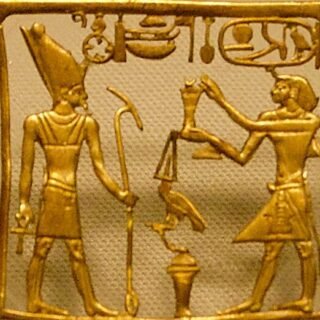
Amenemhat IV, sometimes spelled Amenemhet IV, was the seventh and penultimate ruler of Egypt’s Twelfth Dynasty during the later phase of the Middle Kingdom. Summary Scholars often assign his reign...

Amenemhat I, also spelled Amenemhet I, was the inaugural ruler of the Twelfth Dynasty in ancient Egypt’s Middle Kingdom. Rising from non-royal lineage, he established a fresh political order, relocated...
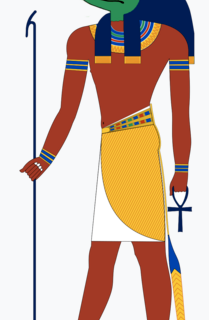
Kek is an ancient Egyptian deity representing the concept of primordial darkness within the Ogdoad cosmogony centered in Hermopolis. This cosmogony featured four male-female pairs of gods, each embodying a...
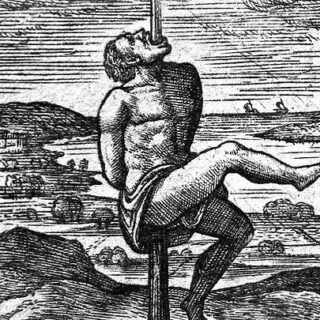
Imagine standing in the arid Egyptian heat, sweat trickling down your brow, knowing the justice system does not favor the unfortunate. To the officials of this ancient land, justice meant...

Howard Carter‘s discovery of Tutankhamun’s tomb in 1922 is often celebrated as one of the most remarkable archaeological finds in history. It unearthed not only the treasures of an ancient...

Pharaoh Anedjib, also known as Adjib, Hor-Anedjib, or Hor-Adjib, was a ruler during Egypt’s 1st Dynasty. He governed in a period marked by the consolidation of power and evolving royal...

Ancient Egyptian pharaoh Teos’s reign serves as a cautionary tale of ambition undermined by mismanagement and political strife. His efforts to challenge the Persian Empire, though bold, were marred by...
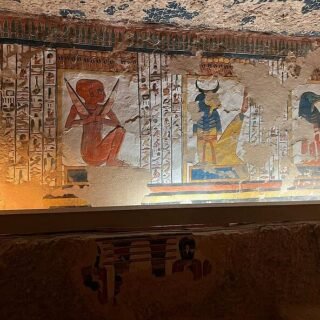
The ancient Egyptian gate deities of the underworld served as protective entities safeguarding the gates of the Duat, the Egyptian underworld. These minor deities were deeply woven into the complex...
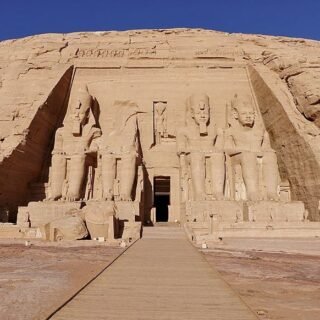
Abu Simbel is a remarkable historic site located in the Aswan Governorate of Upper Egypt, near the Sudanese border. Known for its two massive rock-cut temples, this iconic monument sits...

The Valley of the Queens, known in ancient Egypt as Ta-Set-Neferu (“The Place of Beauty” or “The Place of the Royal Children”), is a vital archaeological site that illuminates the...





