Pharaoh Merenre Nemtyemsaf I
Merenre Nemtyemsaf I, meaning “Beloved of Ra, Nemty is his protection,” was the fourth pharaoh of Egypt’s Sixth Dynasty, ruling circa 2279 BCE during the Old Kingdom‘s waning years. As...

Merenre Nemtyemsaf I, meaning “Beloved of Ra, Nemty is his protection,” was the fourth pharaoh of Egypt’s Sixth Dynasty, ruling circa 2279 BCE during the Old Kingdom‘s waning years. As...

Sanakht, also referred to as Hor-Sanakht, was a pharaoh during Egypt’s Third Dynasty of the Old Kingdom. His reign, position within the dynasty, and identity have been subjects of significant...

Sekhemkhet, also known as Sechemchet, was a pharaoh of the 3rd Dynasty during Egypt’s Old Kingdom, reigning from approximately 2648 BC to 2640 BC. His rule, while brief, left an...

Wadjenes, also rendered as Wadj-nes, Wadjlas, Ougotlas, or Tlas, was a lesser-known king who likely reigned during Egypt’s 2nd Dynasty. His name, meaning “fresh of tongue,” suggests symbolic or ceremonial...

Amyrtaeus of Sais was a pivotal figure in ancient Egyptian history, being the sole ruler of the Twenty-Eighth Dynasty. His reign (circa 404–399 BCE) marked the end of the first...
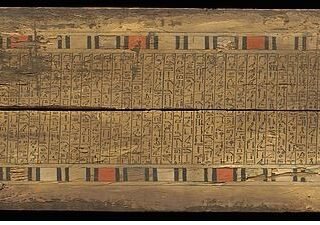
The Coffin Texts are a collection of 1,185 funerary spells written on coffins, tomb walls, and other burial objects during the First Intermediate and Middle Kingdom periods, democratizing access to...
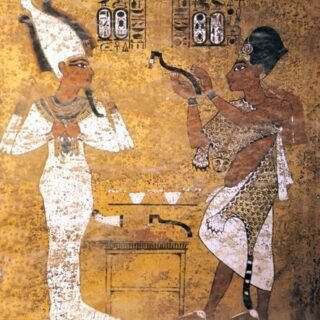
The Opening of the Mouth ceremony was a key ancient Egyptian funerary ritual described in texts like the Pyramid Texts and practiced from the Old Kingdom to the Roman Period....
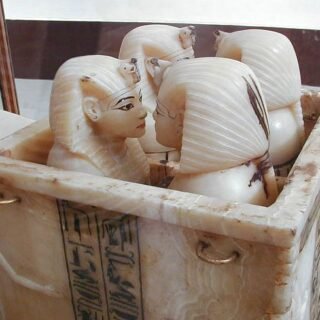
Canopic jars are essential artifacts from ancient Egyptian burial practices, symbolizing their spiritual beliefs and advanced mummification techniques. These containers were specifically designed to store and protect the internal organs...
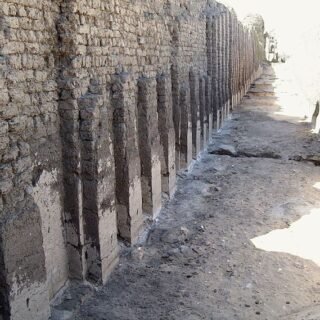
Shunet El Zebib is a remarkable mudbrick structure located in Abydos, Upper Egypt. This monumental edifice, dating to the Second Dynasty (circa 2700 BCE), was constructed by Pharaoh Khasekhemwy, the...

Hakor, also known as Hagar, and by the Hellenized names Achoris or Hakoris, was a prominent pharaoh of Egypt’s 29th Dynasty. His more than a decade reign represented the zenith...

Upper Egypt represents the southern region of modern Egypt. Its geographic range extends from Cairo southward to Lake Nasser, formed by the Aswan High Dam. Historically and culturally distinct from...
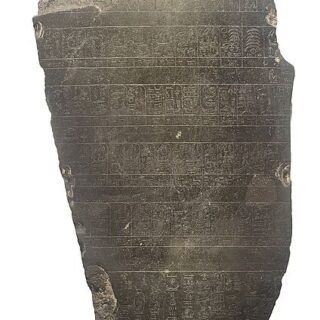
The Palermo Stone is one of seven remaining fragments of an ancient stele known as the Royal Annals of Egypt. This stele provided a chronological record of Egyptian kings from...
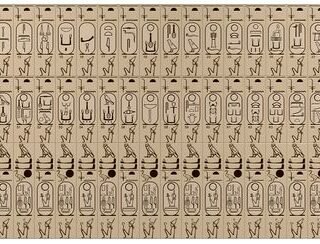
The Abydos King List, also referred to as the Abydos Table, is a crucial artifact in the study of ancient Egyptian history. Found in the Temple of Seti I at...
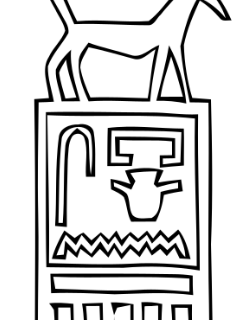
Seth-Peribsen, also known as Ash-Peribsen or simply Peribsen, was a pharaoh of Egypt’s Second Dynasty (circa 2890–2686 BCE). Despite uncertainties surrounding his reign, including its duration and succession, Peribsen remains...

Raneb, also known as Nebra, is an early Egyptian pharaoh whose Horus name signifies his association with the celestial and divine roles of kingship. As the second ruler of Egypt’s...





