Senate of the Roman Empire
The Senate of the Roman Empire was a central political body that evolved significantly from its origins in the Roman Republic. Following the fall of the Republic, power shifted towards...
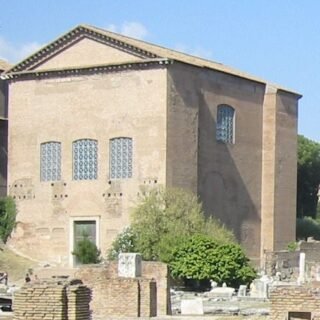
The Senate of the Roman Empire was a central political body that evolved significantly from its origins in the Roman Republic. Following the fall of the Republic, power shifted towards...
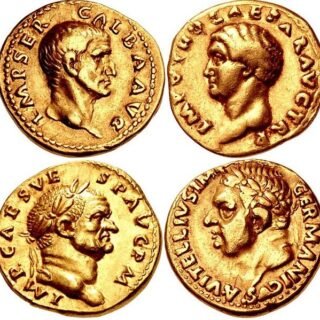
The Year of the Four Emperors, AD 69, was a pivotal and chaotic period in Roman history. It marked the first significant civil war since the establishment of the Roman...

Roman Emepror Otho’s brief reign was emblematic of the chaos and instability of the Year of the Four Emperors. While his rise to power was marked by ambition and intrigue,...
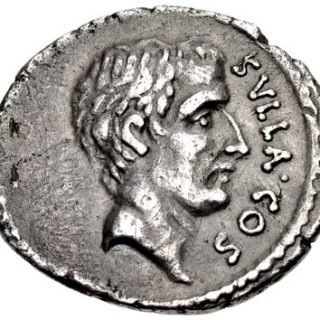
Sulla’s civil war, fought between 83–82 BCE, marked one of the most pivotal moments in the late Roman Republic. The conflict was waged between the forces of Lucius Cornelius Sulla,...
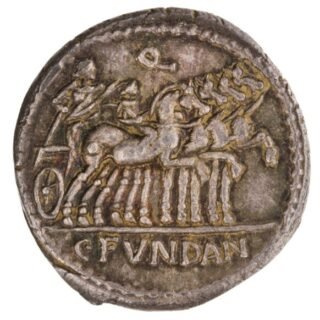
The Marian Reforms refer to significant yet contested changes in the Roman military’s structure and operation, traditionally attributed to Gaius Marius during the late Roman Republic. These changes are thought...

The Bellum Octavianum, or “War of Octavius,” was a significant Roman republican civil war fought in 87 BC. It was primarily a conflict between the year’s two consuls, Gnaeus Octavius...
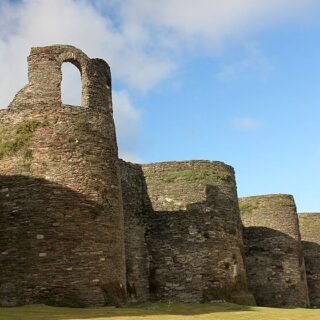
Roman walls are one of the most enduring legacies of the Roman Empire, showcasing its engineering prowess, military strategy, and urban planning. These walls served as fortifications, boundaries, and expressions...
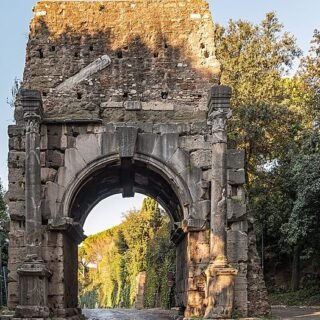
Triumphal arches were monumental structures erected in ancient Rome to commemorate significant military victories or to honor emperors and their achievements. They served as visual propaganda, reinforcing the power and...
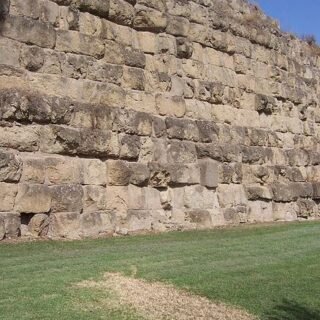
The Servian Wall (Latin: Murus Servii Tullii; Italian: Mura Serviane) is a significant relic of ancient Rome’s early defensive infrastructure. Constructed in the early 4th century BCE, it served as...
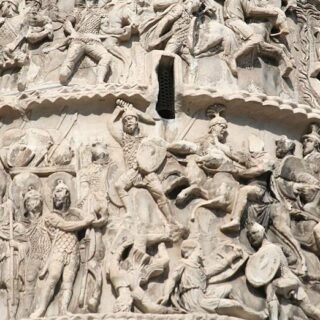
The Marcomannic Wars, fought between 166 and 180 AD, were a prolonged series of military conflicts between the Roman Empire and an alliance of Germanic tribes, notably the Marcomanni and...

Roman emperor Gallienus ruled during the Crisis of the Third Century, marked by internal turmoil and external invasions, and managed to stabilize parts of the empire while facing numerous challenges,...
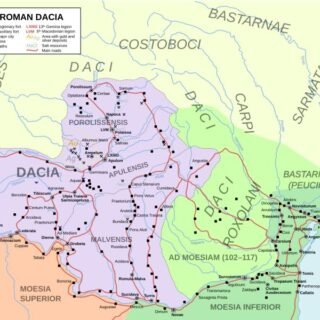
Roman Dacia was a province of the Roman Empire from 106 to 271–275 AD. It encompassed modern-day Oltenia, Transylvania, and Banat (spanning Romania, Hungary, and Serbia). The province was established following...
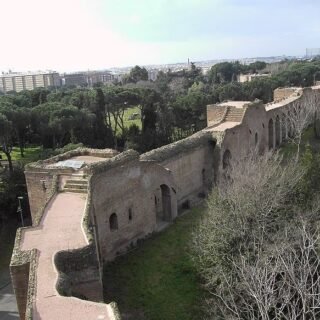
The Aurelian Walls were constructed between 271 AD and 275 AD during the reign of Emperor Aurelian. The structures are an enduring testament to Rome’s architectural ingenuity and strategic foresight....

Aurelian, Roman emperor from 270 to 275, restored stability by reuniting the empire through military victories over external invaders and internal revolts, earning the title Restitutor Orbis (“Restorer of the...

From her strategic marriage to Hadrian to her significant public role and mysterious death, Vibia Sabina navigated the intricacies of imperial life with grace and resilience. Her contributions to Roman...





